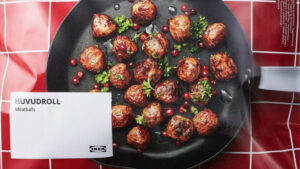
On April 29, 2018, Sweden, known for IKEA and its social welfare system, made an announcement that created a worldwide sensation. Its famous “Swedish meatballs,” a national symbol consumed in over 480 IKEA stores daily in quantities exceeding 2 million pieces, are not of Swedish origin but Turkish.
This surprising information was revealed through the official account of the country on X (formerly Twitter): “Swedish meatballs are based on a recipe brought to Sweden by King Charles XII from Turkey in the early 18th century. Let’s stick to the facts,” the post stated. The motivation behind this revelation, centuries later, remains unknown; however, the news sparked intense reactions.
Historical References and Diplomatic Maneuvering
Turkish media rushed to highlight that Charles XII, who ruled from 1697 to 1718 and lived in exile in the Ottoman Empire, brought other Turkish products with him, such as coffee and stuffed cabbage. The Swedes attempted to downplay the situation, with the country’s account on X humorously commenting, “We love coffee even more than meatballs! We even had a coffee prohibition at one point!”
Meatballs, IKEA, and Global Strategy
Despite the public discussion, IKEA continues to offer “Swedish meatballs” and not Köfte. Additionally, they now claim that their new meatballs, of plant-based origin but with the same taste and texture as the regular ones, were created by chef Alex Magnusson (100% Swedish) in the early 21st century.
Let us emphasize: plant-based, not… meat spheres! In any case, it is estimated that the giant sells about 1 billion (“regular”) meatballs annually, strategically integrating them into the shopping experience. It is also certain that meatballs were not originally part of the restaurant offerings. They appeared in 1985, at a time when suppliers were cautious. As noted by Sören Hullberg, who was responsible for the changes at that time: “Why should a furniture store buy and ship meatballs all over the world?”
IKEA turned to meatballs when it realized that traditional Swedish dishes were not winning over customers. Founder Ingvar Kamprad believed that the chain’s restaurants needed an upgrade. He felt customers were hungry after wandering through the vast spaces, causing them to abandon their purchases. Thus, the idea of creating restaurants inside the stores was born.
Hullberg, along with a small team, took on the task of organizing the kitchens, the menu, and staff training, aiming to create restaurants that would enhance the brand’s identity. Meatballs were chosen due to their popularity, ease of transportation and storage, and the ability to serve large volumes of customers without excessive costs.
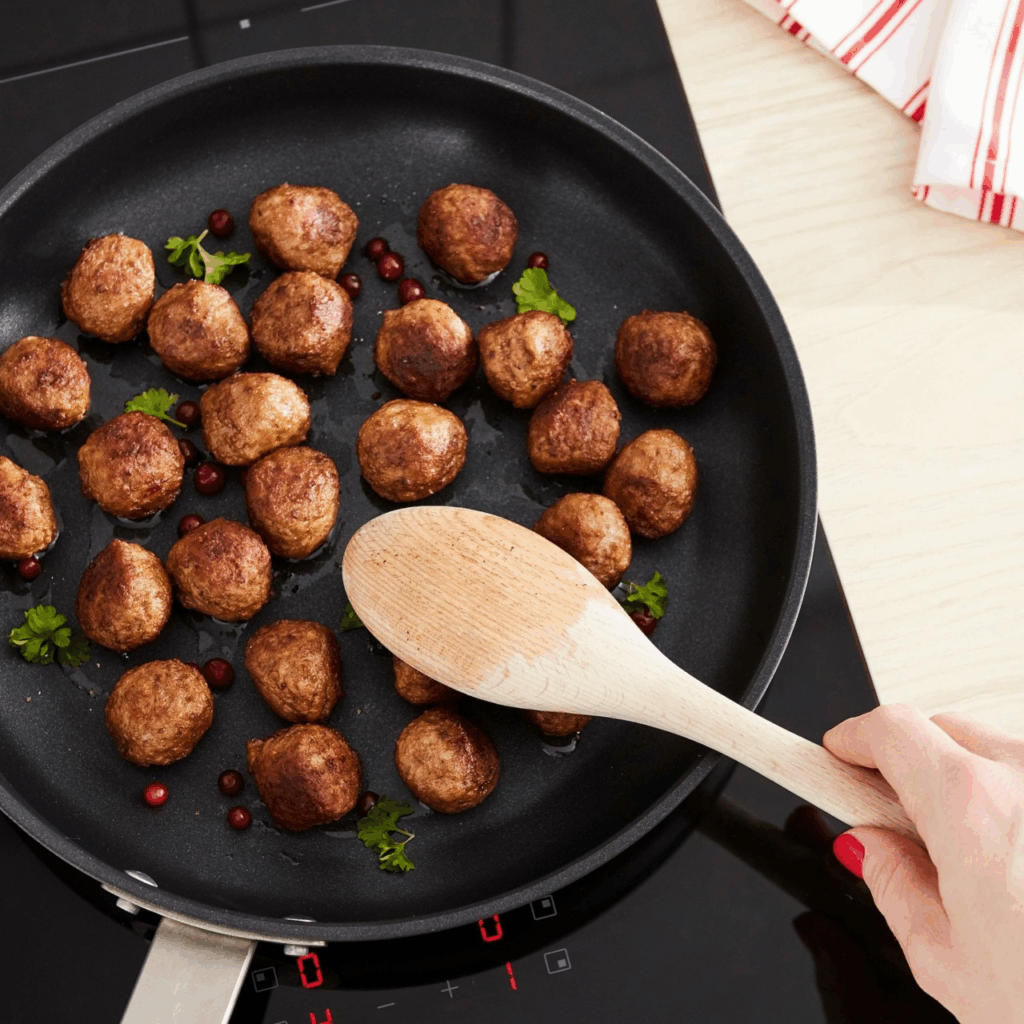
Today, IKEA’s restaurants offer various types of meatballs, from chicken to vegetarian options. The dish even survived the 2013 food scandal when traces of horse meat were found in meatballs in Europe. During the pandemic, IKEA closed its stores but published the recipe so people could make them at home.
The Psychology Behind Food and Shopping
Restaurants are typically positioned at the center of stores so that customers are already tired and hungry by that point. According to Alison Jing Xu, an associate professor of marketing at the Carlson School of Management at the University of Minnesota, hungry consumers spend an average of 64% more compared to those who shop on a full stomach.
Ask me anything
Explore related questions