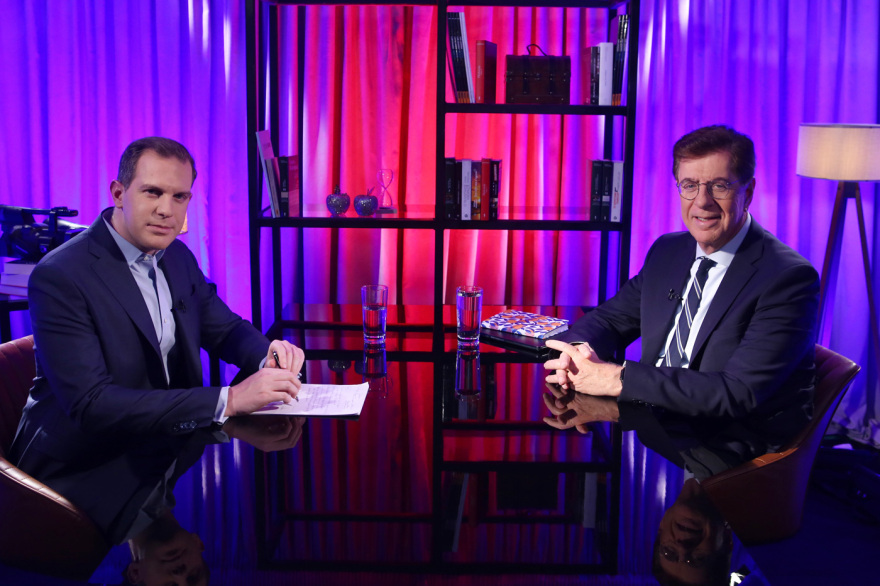
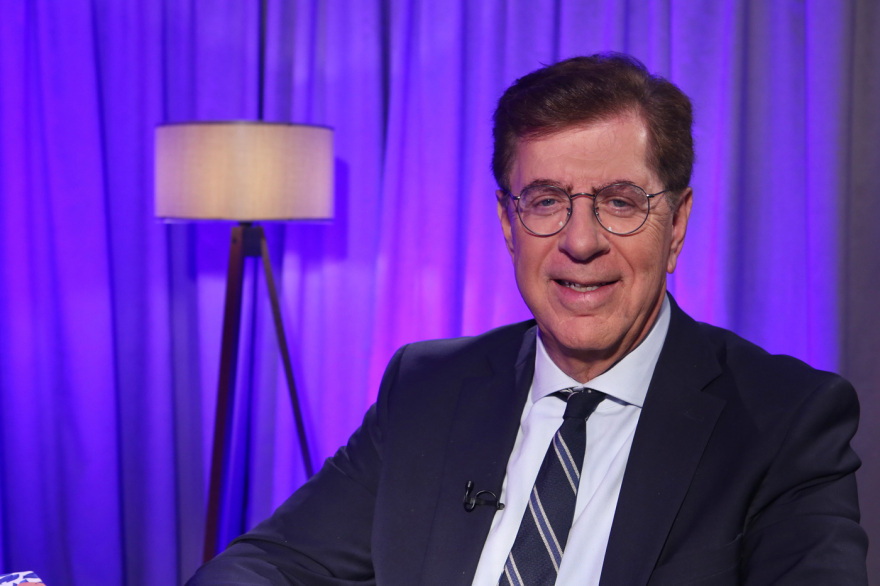
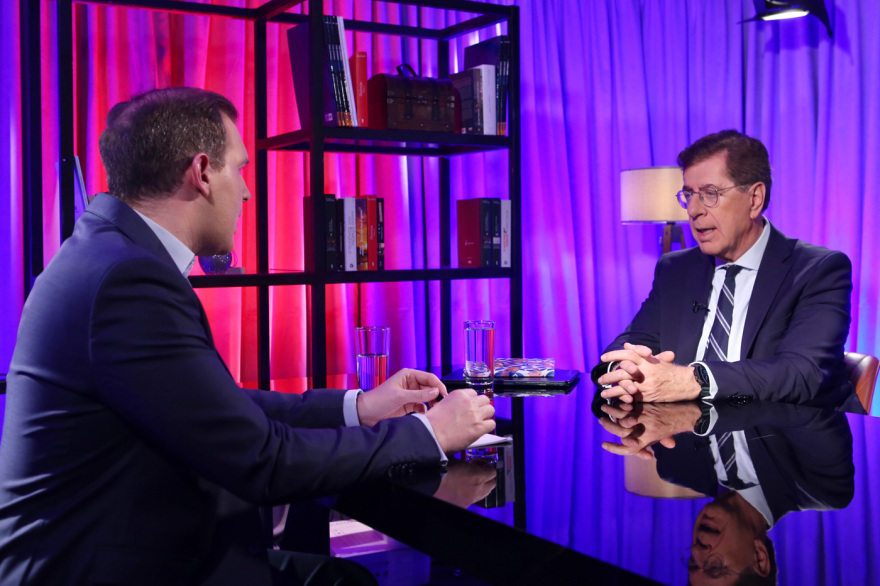
The professor of Natural Disasters and member of the Academy of Athens, Kostas Synolakis, spoke to Giorgos Evgenidis on the Direct show at protothema.gr about the scenarios of major earthquakes, new types of fires, and the “new normal” of the climate crisis.
Mr. Synolakis raised the alarm about the seismic and environmental reality in our country, while also analyzing the increased seismic activity in Turkey and the potential impacts on Greece.
According to the professor, a scenario of a 7.5 magnitude earthquake in Turkey is capable of triggering chain reactions. As he explained, “after such an earthquake, the clock will be ticking down for us.” He also pointed out that today’s smaller earthquakes might trigger a larger one, although he emphasized that we do not know the maximum possible earthquake in the area, as we do not have sufficient historical data.
Mr. Synolakis placed particular emphasis on the necessity for preventive action. “We must prepare for a major earthquake, with checks on public and private buildings,” he said, highlighting the need for property insurance against natural disasters.
Referring to the Santorini volcano, the professor noted that recent geological activity is related to the rise of the magma dome and not an impending large eruption. However, he emphasized that such phenomena require constant monitoring and systematic measurements, as they are valuable tools for creating safe prediction scenarios.
The discussion extended to fires, with the professor talking about the “mega fires” that occur both in Los Angeles and in Greece. He called them “evidence of climate change,” explaining that these fires have intensity and speed that exceed traditional data. “Where the evacuation order is delayed, we have human casualties,” he stressed, noting that even if the operational forces are strong, they are often inadequate in the face of the intensity of the phenomena.
Mr. Synolakis concluded the interview with the following observation: “We are living in a new normal, with intense natural phenomena and events that we used to see every hundred years, we will now see every five or ten. And this is not an estimate, but a statistical reality based on a wealth of data.”
Ask me anything
Explore related questions