In one of the most serious and multi-person cross-border financial fraud cases handled by the European Public Prosecutor’s Office in recent years, the Delegated Prosecutor in Greece issued an order to freeze assets linked to a network that, according to the investigation, caused damage to both the Greek state and the European Union amounting to tens of millions of euros.
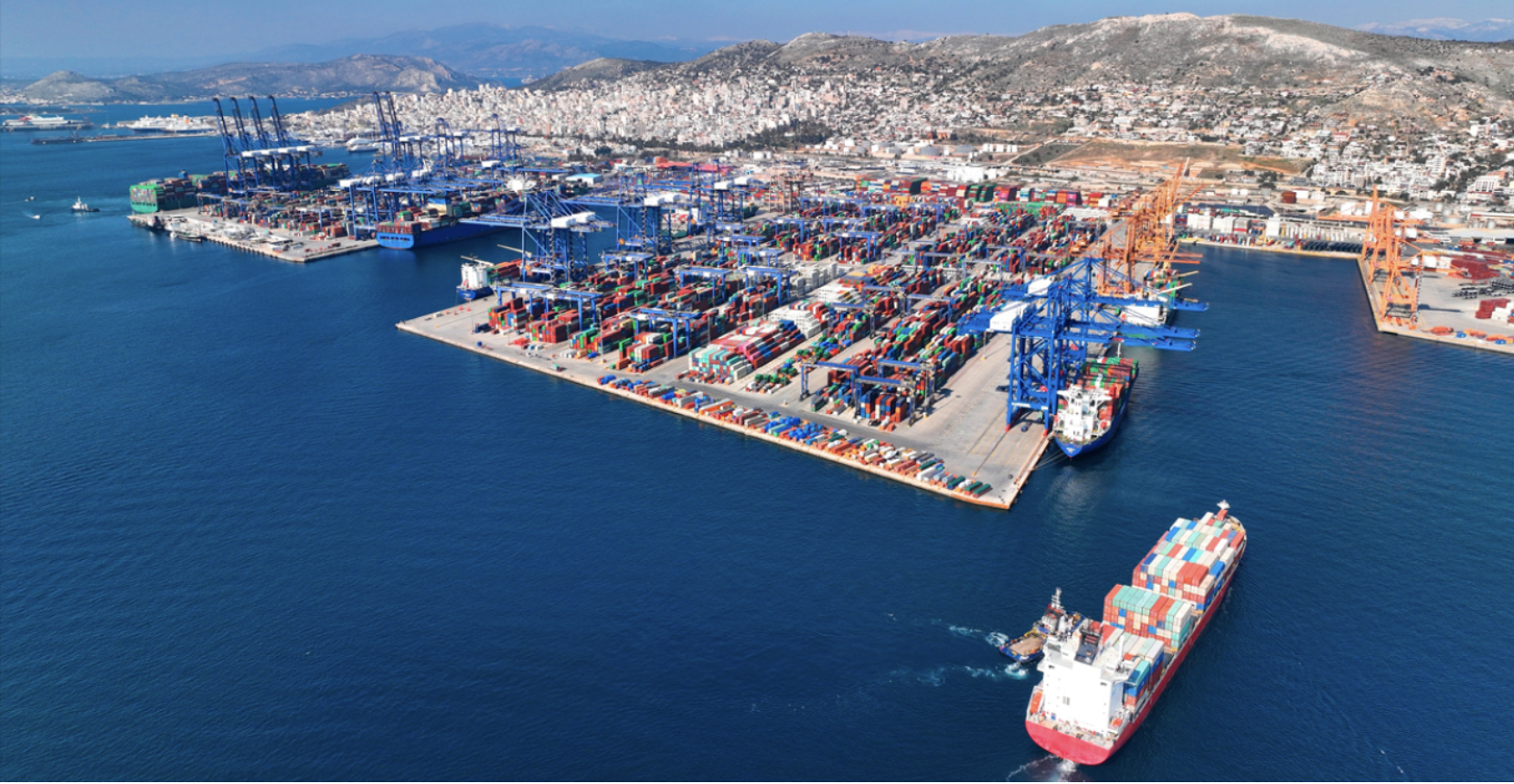
The network operated professionally and with international connections, focusing on the systematic import of electric bicycles and scooters from China through the port of Piraeus, using companies registered in Bulgaria but exploiting Greek VAT numbers to benefit from zero-VAT customs clearance.
The fraud was sophisticated. These 17 companies appeared formally legal, but their short operational lifespan, lack of real business activity, and identical structure, documents, and transaction forms marked them, according to the investigation, as “shells” within a broader tax evasion system.
The case file, initiated by information from OLAF – the European Anti-Fraud Office – concerns serious offenses such as smuggling, VAT fraud, forming and directing a criminal organization, bribery and corruption of officials, and money laundering. The total damage to the Greek state and the EU exceeds €250 million.
How the network operated
At the center of the network were Chinese suppliers issuing invoices with common traits—same document type, identical fonts and spacing—indicating, according to OLAF, central planning and control.
Recipients were Bulgarian-based companies, but customs clearance took place mainly in Piraeus, and the final consumers were across the EU. Key to the scheme was falsifying shipping documents and partially or falsely declaring goods: only a small portion as electric bikes, the rest as parts or unrelated items.
This avoided high duties and anti-dumping measures on Chinese imports. Customs checks were bypassed, either due to system overload or suspected complicity of officials and private actors. Certain customs offices played a critical role in legitimizing suspect imports, paid per declaration, holding key control over declarations.
The asset freeze order (June 25) covers accounts, properties, shares, and corporate interests linked directly or indirectly to involved persons and entities, safeguarding funds until the investigation concludes and potential charges are filed. The fraud spanned March 2023 to today, involving about 2,400 customs declarations, making it one of the largest cross-border tax frauds in electric vehicles. Eurojust and other European authorities are closely monitoring it. Some managers have criminal records or are missing.
The “fake imports” network and non-existent recipients
Customs fraud centered on specific brokers and individuals who created and used fake customs documents. They acted under a woman’s command—“Kelly”—who oversaw all clearance stages. One named broker handled Bulgarian company imports, submitting false declarations with forged bills of lading, invoices, and delivery notes for undelivered goods.
Many imports involved Greek companies as owners, transferring goods immediately to Bulgarian entities upon arrival, masking origins and customs responsibility. Italian customs detected this in December 2023, seizing a shipment misdeclared in Piraeus. Losses were €65,000 for that case alone. Documents were fake, and recipient companies were unaware.
The Chinese “Kelly” and her leading role
A Chinese woman, known as “Kelly,” allegedly led and operated the network, coordinating thousands of containers monthly via Piraeus with fake or under-invoiced bills. Many shipments went to Italy, where lost VAT alone is estimated at €44 million.
She reportedly acquired property in Piraeus, while her Greek accomplice’s partner owns assets in Glyfada. Others possess luxury cars, yachts, and properties bought with illicit funds. Authorities now trace funds to prevent laundering into the legal economy.
The asset freeze
The European Delegated Prosecutor ordered the freeze of movable and immovable property of ten individuals and four companies, covering assets in Piraeus, Glyfada, Perama, and Kamatero. Included: a Piraeus property owned by Chinese nationals, over 600 sq.m. of Glyfada properties linked to a Serbian national, two Salamina residences, eight vehicles (including luxury SUVs), two yachts, bank accounts, safes, investments, titles, and other assets. The freeze lasts nine months, aiming to prevent concealment or transfer of assets by those under investigation. The case remains open and may extend to other EU countries given cross-border money flows and suspected laundering via third nations.
Ask me anything
Explore related questions