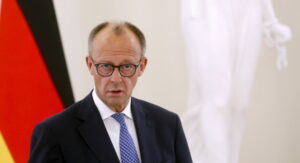
Germany and the United Kingdom are expected to sign a broad defense agreement on July 17, based on last year’s joint statement by then-Chancellor Olaf Scholz and British Prime Minister Keir Starmer.
According to Politico, the agreement will focus on closer cooperation between the two countries in the areas of peace, security, and economic development, and will include a mutual assistance clause in the event of a threat.
One of the key chapters of the agreement will concern defense and will be based on the Trinity House agreement, signed last year, which states that any strategic threat to one country would be considered a threat to the other. This agreement, following similar plans with France, would provide Germany with a mutual defense clause with both of Europe’s nuclear powers—reflecting Chancellor Friedrich Merz’s aim to strengthen Europe’s deterrent power independently of the U.S.
As the report clarifies, the agreement will reaffirm both countries’ commitment to NATO as the cornerstone of their collective defense, while the mutual assistance clause will highlight the push for greater defense cooperation among European allies, especially as the U.S. retreats from the transatlantic defense alliance.
The text will also include references to measures against illegal migration, transportation and research cooperation, and a commitment to fostering cross-border exchanges. Migration is a sensitive issue for the Starmer government, which faces pressure to reduce both legal and illegal immigration.
Politico notes that any agreement regarding youth mobility between the two countries would require EU-level negotiations, as the UK has not managed to reach a deal in this area. Germany is one of the countries most actively advocating for easing regulations for young people arriving in the UK.
The German-British agreement is the result of 18 rounds of negotiations and, according to Germany’s foreign ministry, “will cover the full spectrum of relations” between the two countries.
Ask me anything
Explore related questions