





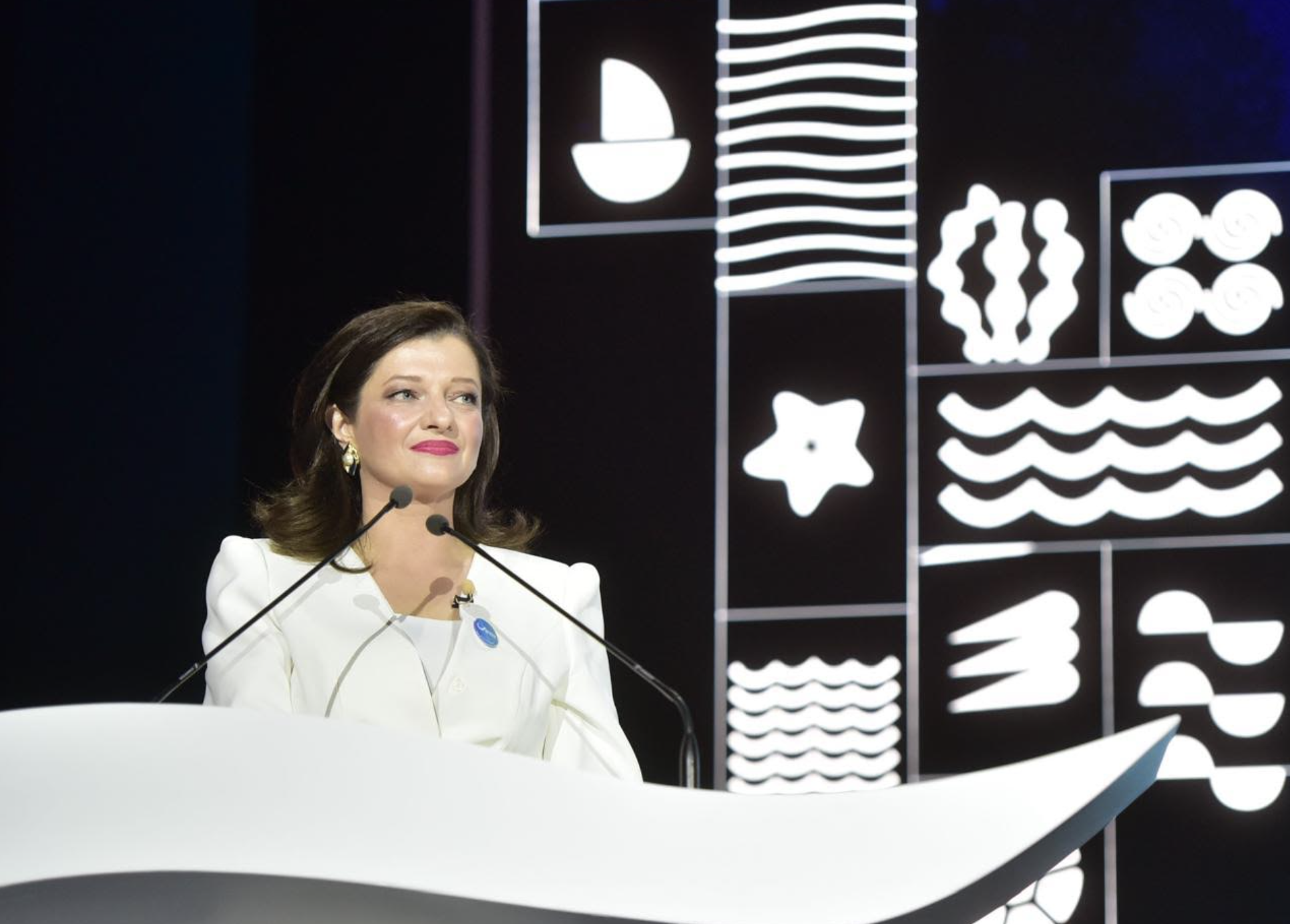
In a landmark move for marine conservation, Prime Minister Kyriakos Mitsotakis has announced the establishment of two new Marine Parks — one in the Southern Cyclades and another in the Ionian Sea. The initiative is being hailed as a historic act of national responsibility with global environmental significance, further cementing Greece’s leadership in sustainable ocean governance.
Dr. Dionysia-Theodora Avgerinopoulou, Member of Parliament for Ilia and Prime Minister’s Special Envoy for the Ocean, praised the announcement as a bold and decisive action. As Coordinator of the 9th “Our Ocean Conference,” where the commitment was first introduced, Dr. Avgerinopoulou emphasized the importance of this development.
“I am especially pleased to see this pledge materialize into concrete action,” she said. “This is a historic initiative for the protection of the marine environment and biodiversity. Greece once again affirms its leading role in the sustainable management of the oceans and in achieving United Nations Sustainable Development Goal 14.”
The two Marine Parks are expected to protect vital and unique marine ecosystems, safeguard endangered species, and promote sustainable activities such as scientific research, fisheries, and ecotourism. Together, they will cover over 31% of Greece’s marine territory — surpassing the global “30 by 30” target set under the Kunming-Montreal Global Biodiversity Framework.
Dr. Avgerinopoulou noted the broader benefits of the initiative: “These parks are critical for restoring fish stocks, strengthening the blue economy, and helping coastal and island communities thrive. But they also contribute significantly to the ecological balance of the Mediterranean, which faces the triple threat of climate change, biodiversity loss, and pollution — especially from plastics and microplastics.”
The decision is also groundbreaking in its adoption of strict environmental criteria. The parks, spanning 27,500 square kilometers, were designed based on scientific data and include a pioneering ban on bottom trawling — a fishing method known to cause severe damage to marine habitats. Dr. Avgerinopoulou urged the public to watch Sir David Attenborough’s recent documentary Ocean, which highlights the devastating consequences of such practices.
“Our seas generate 50% of the oxygen we breathe, absorb 90% of the planet’s excess heat, and continue to capture over 25% of carbon dioxide emissions,” she said. “To maintain these vital ecological functions, they must remain healthy and in balance.”
She also stressed the critical role of local communities, calling for inclusive planning and engagement. “Marine Parks are not just conservation zones — they are opportunities for sustainable development. With proper consultation and local support, they can create jobs in scientific research, eco-tourism, and the blue economy.”
As Chair of the Parliamentary Committee on Environmental Protection and the Subcommittee on Water Resources, Dr. Avgerinopoulou pledged her full support to ensure the parks are effectively legislated, managed, and monitored. As MP for Ilia — a region directly linked to the Ionian Marine Park — she also reaffirmed her commitment to helping local communities balance environmental stewardship with economic development.
She concluded with a call to action: “I encourage all stakeholders to participate in the ongoing public consultation process. The Environmental Impact Assessments for both Marine Parks are now available online until September 22.”
Ask me anything
Explore related questions




