





In August 1991, Charles Faddis landed in Athens. Officially, he was an American diplomat. Unofficially, he served as a CIA operations officer, stationed at the agency’s large Athens base on Vasilissis Sofias Avenue. Two years and three months later, Faddis became one of the key figures in the infamous Kypseli incident, when he and another American agent were arrested while surveilling a house on Mythimnis Street.
A CIA Officer Turned Author
Eighteen years after his turbulent stint in Athens, Faddis published a novel set in the Greek capital. Although featuring fictional characters, he admitted that many passages were drawn from real events. The cover of the first edition even used a photo released by the militant group “November 17” following attacks at the War Museum and a police station in Vyronas.

The book, titled “Codename: Aphrodite”, spans 414 pages and tells the story of Bill Boyle, a CIA agent haunted by the loss of his wife, who was killed in an explosion during a secret operation in Athens. Seeking redemption and revenge, Boyle returns to Greece to reactivate a dangerous informant known as “Aphrodite.”
The Arrest on Mythimnis Street
In his novel, the opening chapter places Boyle in a surveillance van in an Athens suburb. Reality was eerily similar. On November 16, 1993—one night before the Polytechnic uprising anniversary—two CIA operatives monitored a residence in Kypseli from a VW van parked for days on Mythimnis Street.
Suspicious of the unmoved vehicle, a local resident alerted police. Within minutes, patrol cars boxed in the van. Inside, officers found wigs, cameras, radios, and even mattresses. The agents, armed but caught off guard, identified themselves as American diplomats.
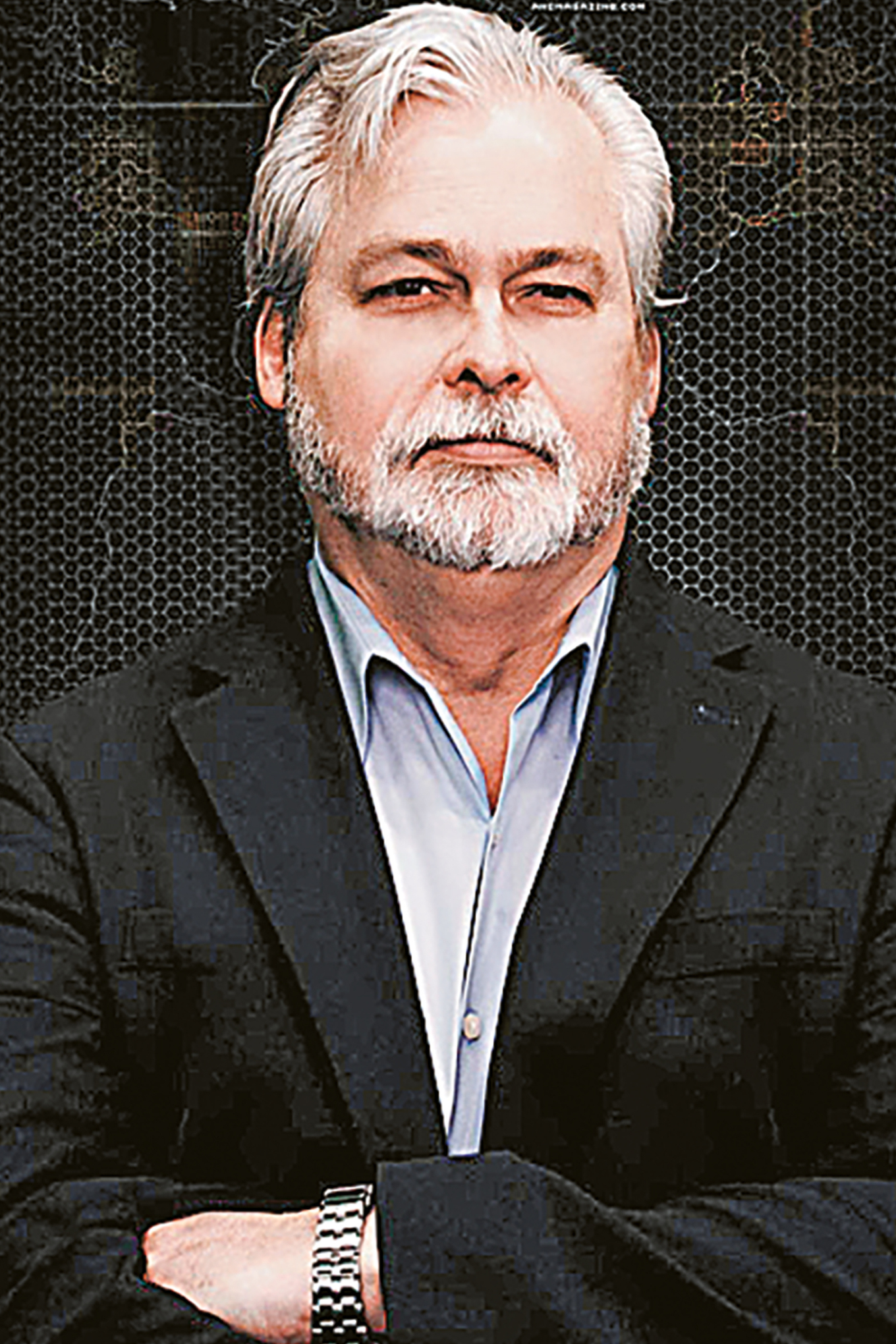
Faddis reportedly warned Greek police: “I am Charles Faddis, Second Secretary at the U.S. Embassy. Don’t touch us, or you’ll spark a diplomatic incident.” His colleague, operating under the alias Jack Carl Slewer, was in fact Mike Baker, another seasoned CIA officer.
After frantic calls between Greek authorities and the U.S. Embassy, both men were released and flown out of Athens the next day aboard a U.S. military plane. The infamous van was discreetly transferred to the American Embassy garage, never examined by Greek intelligence.
Life After Athens
Following his departure, Faddis rose through CIA ranks. He later founded Orion Strategic Services, a security consultancy specializing in counterterrorism and intelligence operations.
Born in the 1950s, Faddis studied Political Science at Johns Hopkins and Law at the University of Maryland. He served in the U.S. Army’s JAG Corps, reaching the rank of captain, before joining the CIA in the late 1980s. Fluent in Greek and Turkish, he was posted in Athens, later in Turkey, and eventually Iraq, where he reportedly headed CIA operations.
From 2006 to 2008, he led the CIA’s Counterterrorism Center in Washington, commanding thousands of operatives and analysts. After retirement, he authored several books, including “The Decline and Fall of the CIA.”
Today, long removed from his undercover days in Athens, Charles Faddis remains a controversial figure—remembered in Greece for one cold November night in Kypseli when the CIA’s cover was blown.
Ask me anything
Explore related questions




