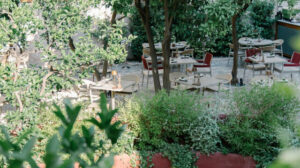
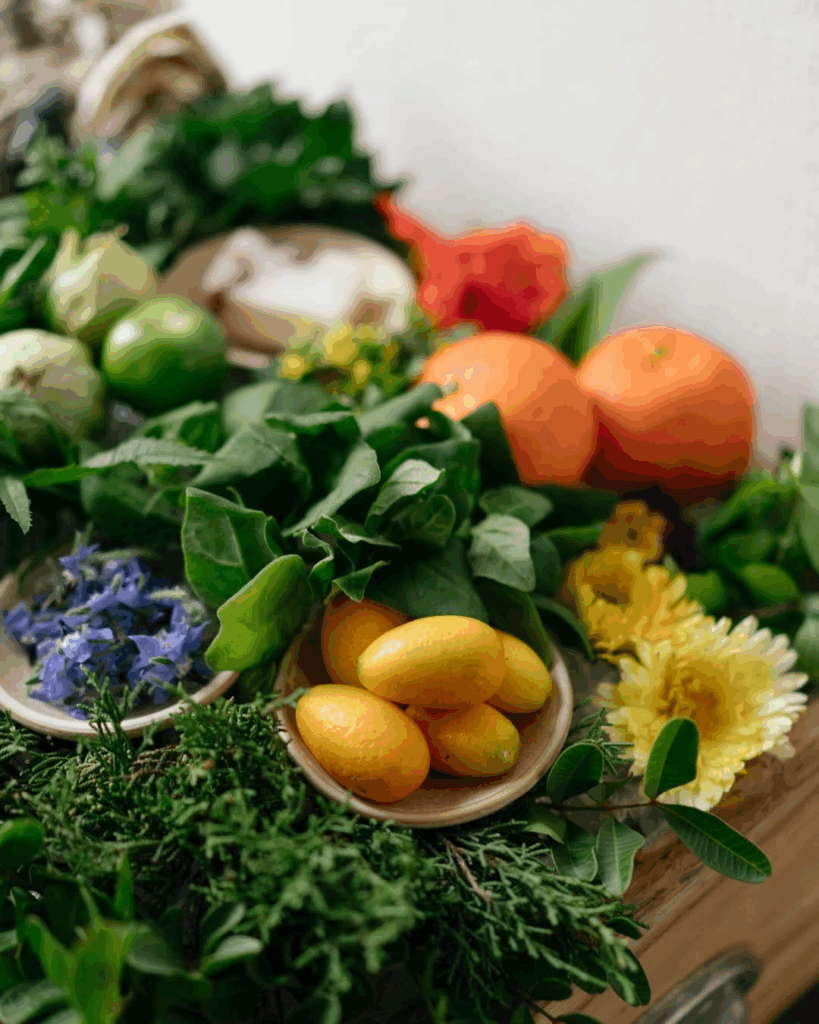
At 30 kilometers from Athens, in the village of Alepochori, chef Tasos Mantis finds himself among rows of weeds and rare herbs. The morning humidity still clings to the leaves of rosemary and anthracite, while the land smells fertile and alive. In a few hours, these plants will travel to his restaurant, Soil, in Pagrati, where they will be transformed into dishes that converse with the place from which they were born. This scene, which could take place in any rural area of the world, represents a profound change taking place in Greek gastronomy.
Back to the Roots
In an era where globalization threatened to homogenize flavors, a new generation of Greek chefs is turning its gaze back to the land. This is not about nostalgia or romanticizing the past, but a conscious choice that integrates modern sustainability principles with the ancient wisdom of the Mediterranean diet.
“The land speaks to me,” explains Mantís as he examines a leaf of wild arugula. “Every season, every rain, every change in climate leaves its mark on the plants. My job as a chef is to translate this story onto the plate.” What he calls “earthy gastronomy” is not just a cooking philosophy but a way of life that connects traditional knowledge with contemporary demands for environmental responsibility.
Pioneers of Change
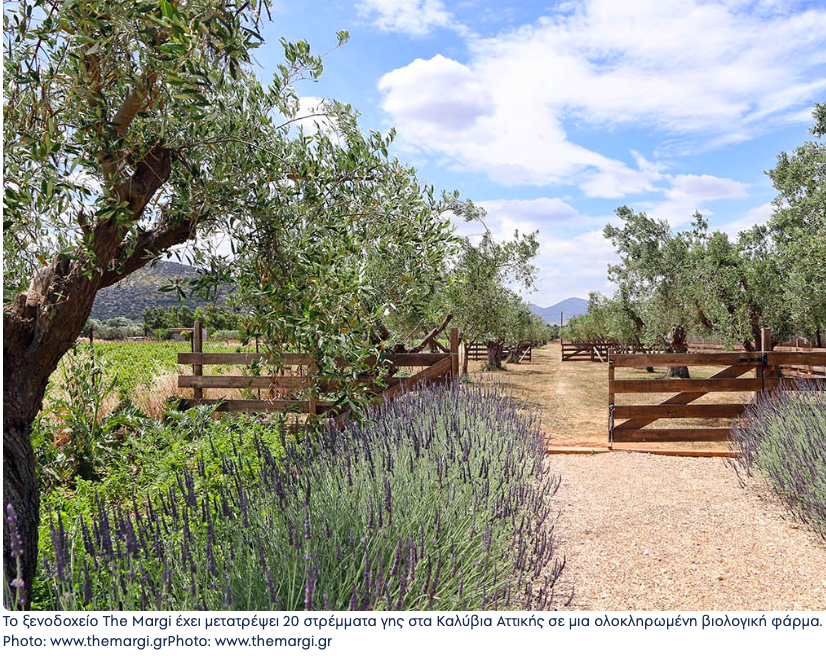
In Vouliagmeni, The Margi hotel has transformed 20 acres of land in Kalyvia, Attica, into a fully integrated organic farm under the guidance of executive chef Panagiotis Giakalis. The Margi Farm produces not only vegetables and herbs but also free-range eggs and traditional cheeses. Each morning, fresh products travel directly from the farm to the hotel’s restaurants, ensuring not only maximum freshness but also complete traceability of ingredients.

“It’s not just about taste,” Giakalis emphasizes. “It’s about identity. When you serve a dish knowing exactly where every ingredient came from, you create a relationship of trust with the guest. You’re telling a story that starts from the seed and ends on their plate.”
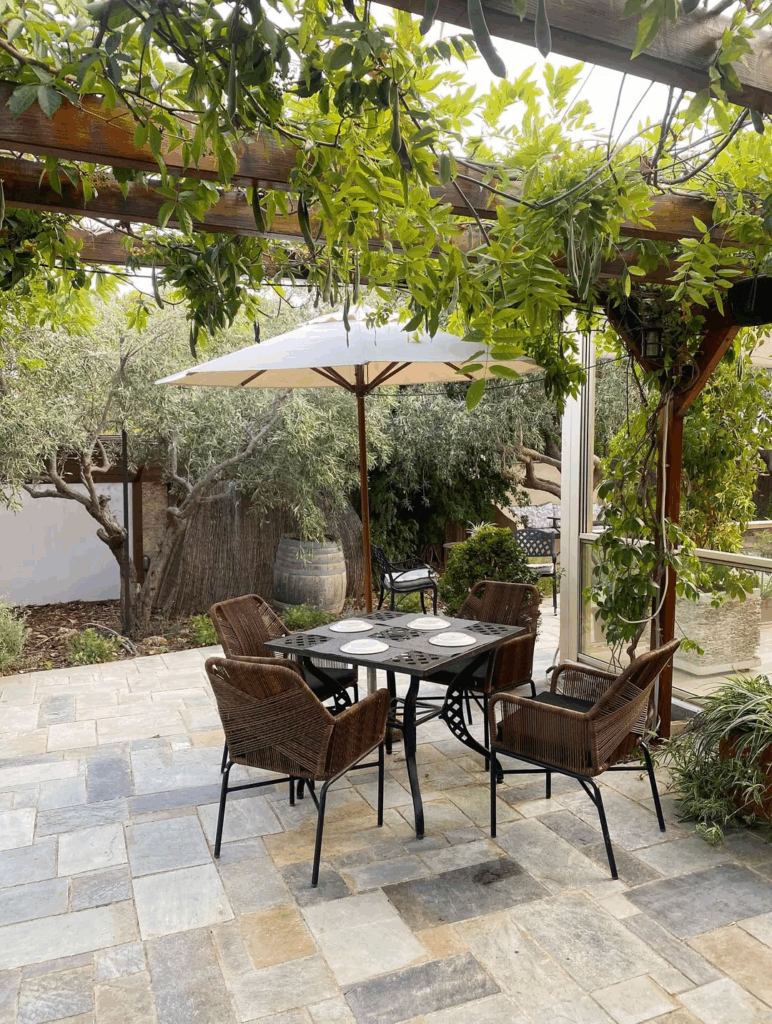
5 Greek Restaurants with Their Own Farms
At the foothills of ancient Corinth, Makris Athens restaurant cultivates traditional varieties of vegetables and herbs. Its farm focuses especially on olive cultivation, used both as fruit and for producing olive oil. The location is no coincidence: Corinth, with its unique microclimate and rich agricultural history, offers ideal conditions for producing high-quality ingredients.
The Spread of the Movement
The farm-to-table revolution is not limited to Attica. In Vari, Perivoli operates on a lush four-acre property, where visitors can wander among the plants that will become their meal. The experience goes beyond taste, extending to a holistic understanding of the relationship between nature and nutrition.

In Nafplio, the Perivoli Farm-to-Table Restaurant has created a model that combines tourism with agricultural production, allowing visitors to participate in harvesting the ingredients they will consume. Similar initiatives are gradually developing in Pelion, Ioannina, and Messinia, creating a network of gastronomic destinations based on local production.
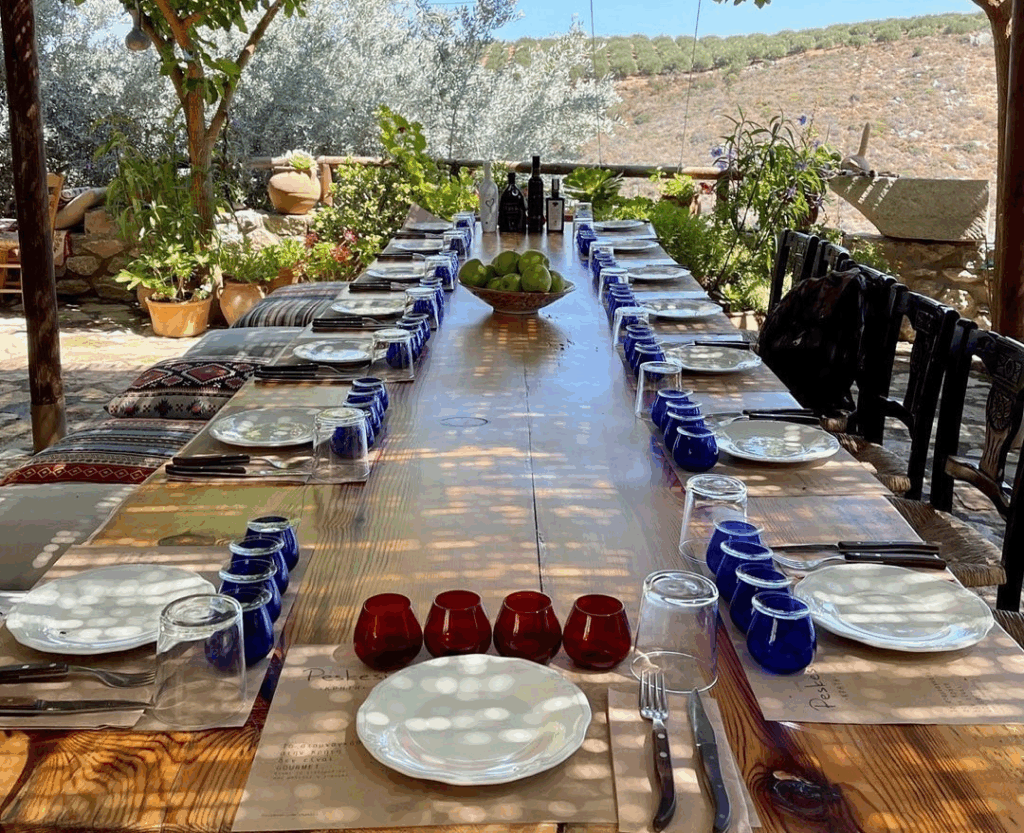
In Heraklion, Crete, the restaurant Peskesi has elevated the farm-to-table philosophy into a lifestyle and culinary approach. Its story begins on its own farm, where over 240 varieties of fruits and vegetables are grown using organic and traditional methods. This choice is deliberate, rooted in the ancient Cretan diet and tradition, highlighting rare local varieties. From the famous stamnagathi to unique Cretan herbs, each ingredient travels from farm to plate, offering an authentic gastronomic experience that tells the rich agricultural story of the island.
What is emerging in Greece is a new kind of terroir—not just the geographical origin of products but a comprehensive philosophy connecting the land, the producer, the chef, and the consumer in an unbroken chain of values. Sustainability becomes not merely an environmental choice but the very foundation of gastronomic identity.
In an era where authenticity is a luxury, Greek gastronomy is finding its way back to its roots. This is not regression but an evolution that respects the past while looking to the future. Every seed planted, every fruit harvested, every dish served is a statement of intent: Greece is choosing a gastronomic path that honors its land and protects its future.
Ask me anything
Explore related questions