





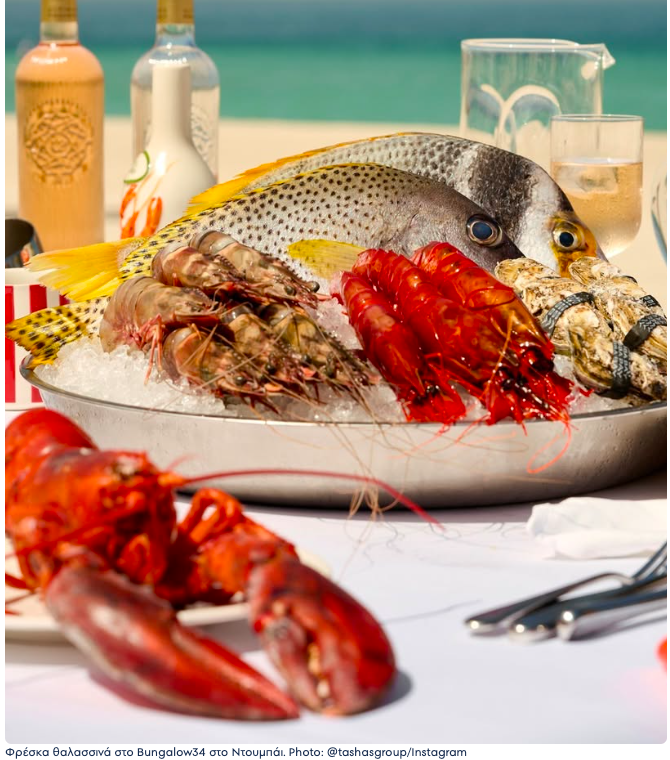
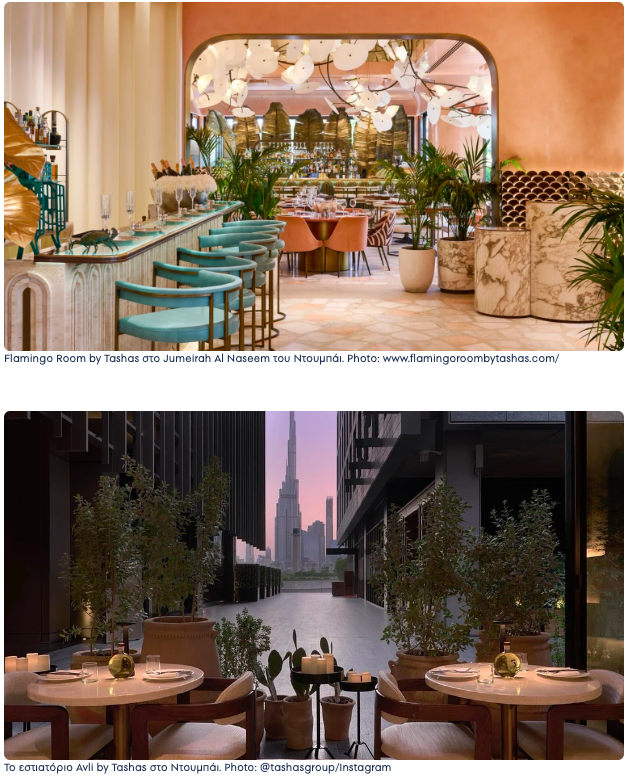
Homegrown Natasha Sideris is certainly a one-of-a-kind personality. Versatile and visionary, the founder and CEO of the Tashas Group in South Africa has made it her goal for the Tashas Group to be a global leader by constantly evolving the high standards of hospitality and service that she has set since its inception back in 2005. Today, the group has 40 dining venues with thirteen different concepts – including Avli by Tashas, Bungalow34, Flamingo Room by Tashas, Galaxy Bar, Le Parc by Tashas – in South Africa, the United Arab Emirates, Saudi Arabia, Bahrain, and the United Kingdom.
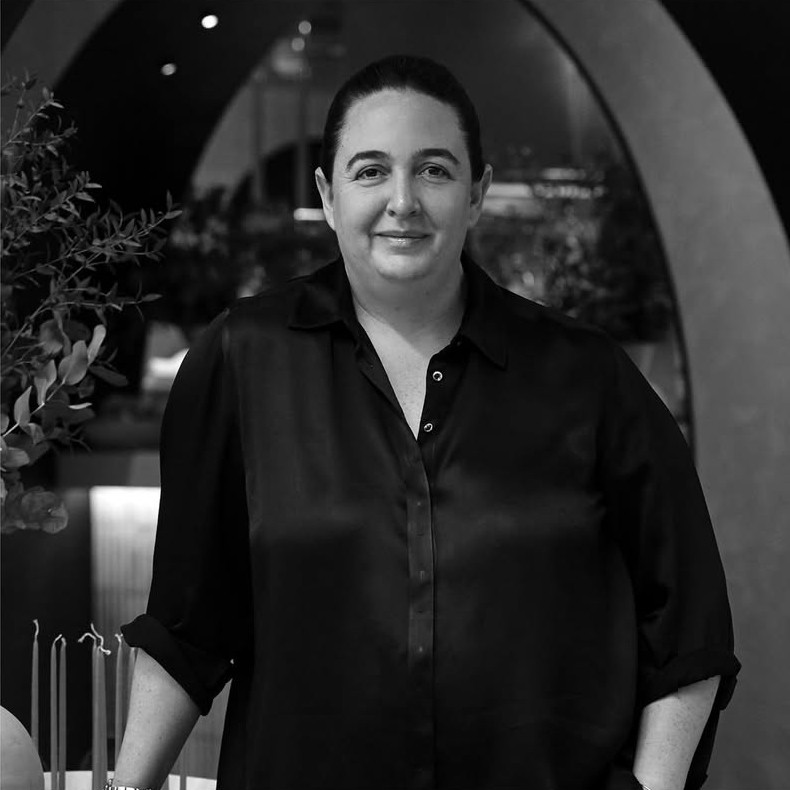
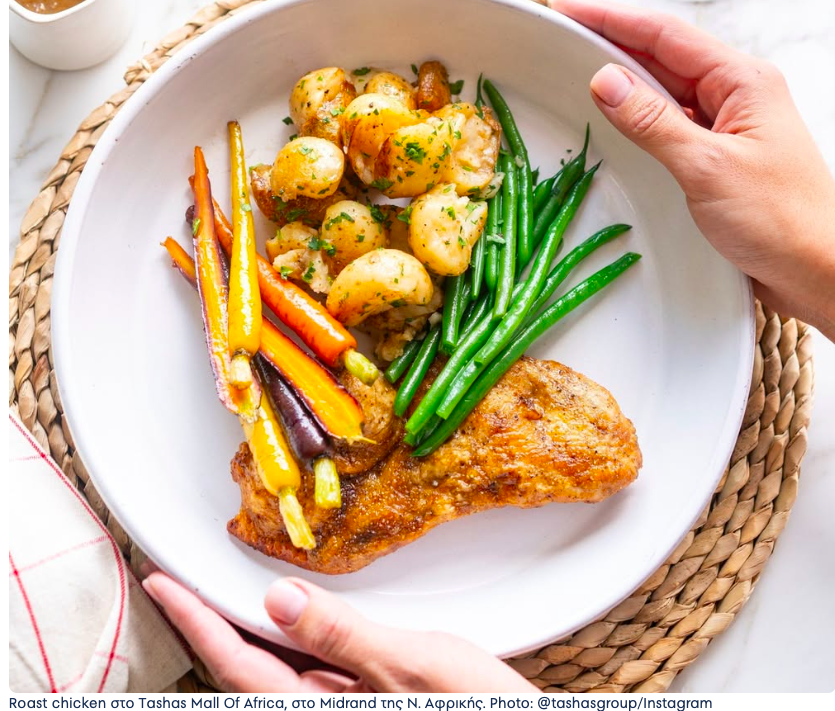
She grew up alongside her father, a restaurateur. Although she studied psychology, her deep passion for hospitality ultimately brought her back to the culinary world, where she founded the Tashas Group. Drawing inspiration from her travels across the globe and her rich Greek–South African heritage, she is also the author of two best-selling cookbooks: Tashas Café Classics, a collection of her favorite recipes and signature menu dishes, and Tashas Inspired.
Her dedication has earned her international recognition. Tashas establishments have been listed in Gault&Millau, the Michelin Guide, and among the World’s 50 Best Bars. Her unwavering commitment to creating exceptional experiences has secured her position as a pioneer in the hospitality industry, both in the Middle East and Africa. This year marks two decades of a remarkable career in which Natasha Sideris has redefined fine dining and boutique cafés through innovative ideas, an insistence on quality, and a vision for hospitality’s future.
We had the opportunity to meet her briefly during her visit to Greece, and were struck by her dynamism and global perspective.
– You have said your father’s influence as a chef was decisive in your journey. Can you share moments or lessons that shaped your approach and continue to guide the Tashas Group today?
“My late father, a certified chef, played a pivotal role in my journey. His influence has shaped every aspect of our business—from management and service to staff and, of course, food. Some of the lessons he instilled in me were: treat your staff well and they will take care of your business; the way you close your restaurant determines how you will open it and sets the tone for the next day; accept that this is a business of repetition, so you don’t struggle against it; use only the best ingredients and you’ll rarely go wrong; and finally, love your guests—always surprise and delight them.”
– When you opened your first café in 2005, how did you realize you were doing something revolutionary?
“After the first week, we had queues wrapping around the block. That’s when I knew we had created something special. Also, when guests started asking if we were an international brand, I understood we had the ‘permission’ to expand.”
– You coined the term ‘Franchise Against Franchise.’ What does that philosophy mean to you, and how do you maintain a personal touch across so many locations?
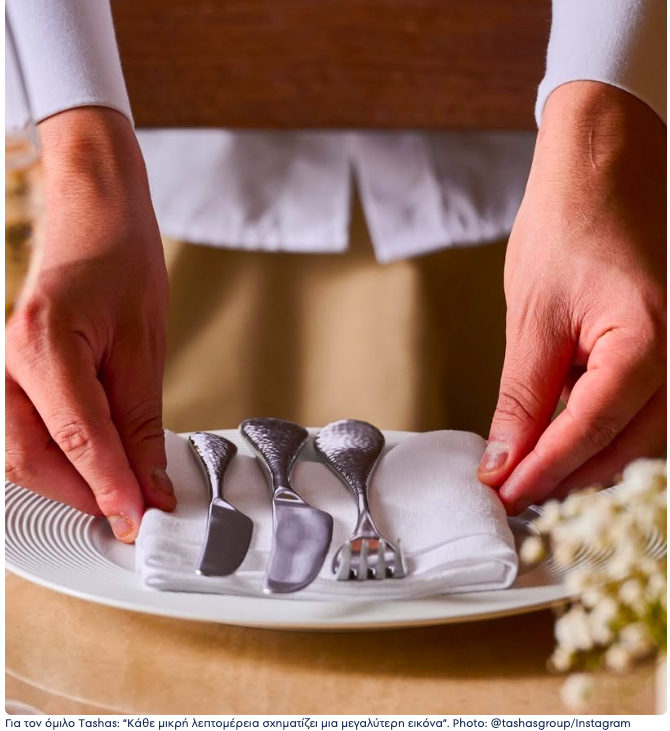
“This principle guides everything we do. Every one of our locations must be entirely unique, yet connected by a golden thread that defines who we are and shapes the customer experience. We maintain a personal touch through dedicated training and regular checks, ensuring our standards are not only met but embodied across all we do. Each restaurant feels bespoke, but is supported by strict franchising standards to guarantee consistency.”
– How do you balance your daily involvement in the restaurants with leading a multinational hospitality group?
“Focused, regular meetings and empowering our leadership team are key. I hold onto the elements I care about most—interiors, food, and marketing. It requires constant travel to ensure standards are upheld, and I make it a priority to be present at every opening.”
– What is the method for creating spaces that achieve international recognition, adapt to different cultures, yet retain the brand’s identity?
“Our approach is simple: relentless focus on quality and attention to detail. Standard operating procedures ensure consistency, but creatively, it’s important not to over-adapt to every trend or location. Our brands carry an international sensibility that works everywhere. Above all, authenticity is key—our guests recognize and value that.”
– How has your Greek heritage inspired your career? Is an opening in Greece part of your plans?
“As a Greek, hospitality runs in my veins. Nowhere else in the world can you find better food, warmer hospitality, and more beautiful settings than in Greece. We will be opening a Tashas at the Ellinikon project, and we also hope to bring Flamingo Room to Athens.”
– Looking ahead, what excites you most about the future of the Tashas Group?
“I’m incredibly excited about the future and remain passionate about everything we do. We are constantly exploring new markets. With thirteen different concepts and brands under our umbrella, there is enormous room for growth—from fast casual to premium casual to fine dining and luxury retail.”
– We once spoke of national cuisine, then local cuisine. Do you think we’ve now entered the era of each chef’s ‘personal cuisine’?
“I think there will always be a hybrid of all three. The more ‘authentic’ dishes an owner or founder can bring to a menu, the better. Of course, the menu must suit the concept.”
– What makes a dining experience invaluable?
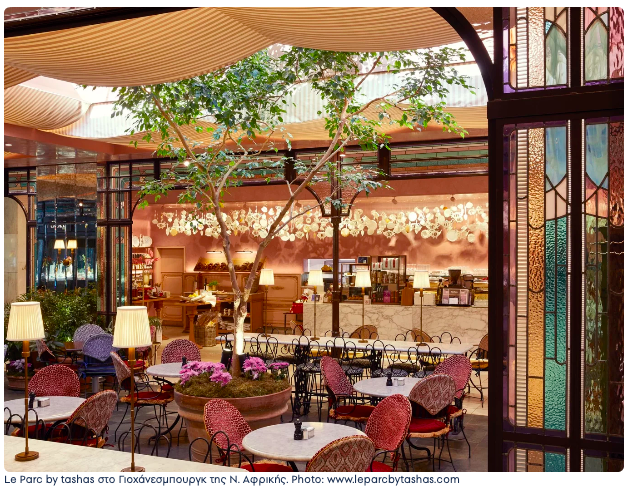
“I’m old-fashioned in this regard. I don’t believe in gimmicks. For me, it’s about great food, beautiful ambiance, impeccable service, and the right music.”
– What makes a restaurant classic?
“Sticking to the basics—you can’t go wrong. Don’t bend to every trend, and never forget the rules of timelessness.”
– Is Mediterranean cuisine the holy grail of modern gastronomy?
“That’s a tough question. It’s highly influential, but other cuisines, like Asian, have had equal impact. Remember, there was a time when people thought Greeks wouldn’t eat sushi, and now it’s hugely popular.”
– Why are we all so obsessed with food? What emotional need does it fulfill?
“Today we are more obsessed with food than ever, largely because of social media. But the principles around food haven’t changed for millennia—it’s a language of love. It brings people together and allows us to showcase our cultures.”
Ask me anything
Explore related questions




