

×
GreekEnglish

×
  • Politics
  • Diaspora
  • World
  • Lifestyle
  • Travel
  • Culture
  • Sports
  • Cooking
Friday
03
Apr 2026
weather symbol
Athens 15°C
  • Home
  • Politics
  • Economy
  • World
  • Diaspora
  • Lifestyle
  • Travel
  • Culture
  • Sports
  • Mediterranean Cooking
  • Weather
Contact follow Protothema:
Powered by Cloudevo
> Greece

Captain Kottas: The true story of a great Macedonian fighter

One of the most significant figures in the Macedonian Struggle was Captain Kottas, perhaps the first among the Greek fighters of the region. Despite occasional historical distortions, the real story of Kottas highlights his bravery, independence, and devotion to the people of Western Macedonia

Newsroom September 23 11:36

Early Life

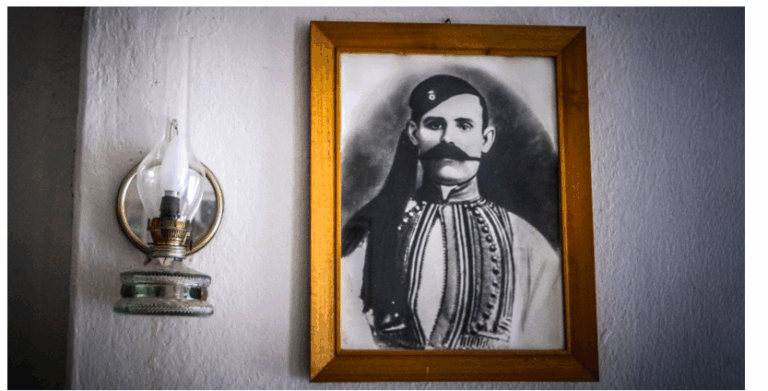
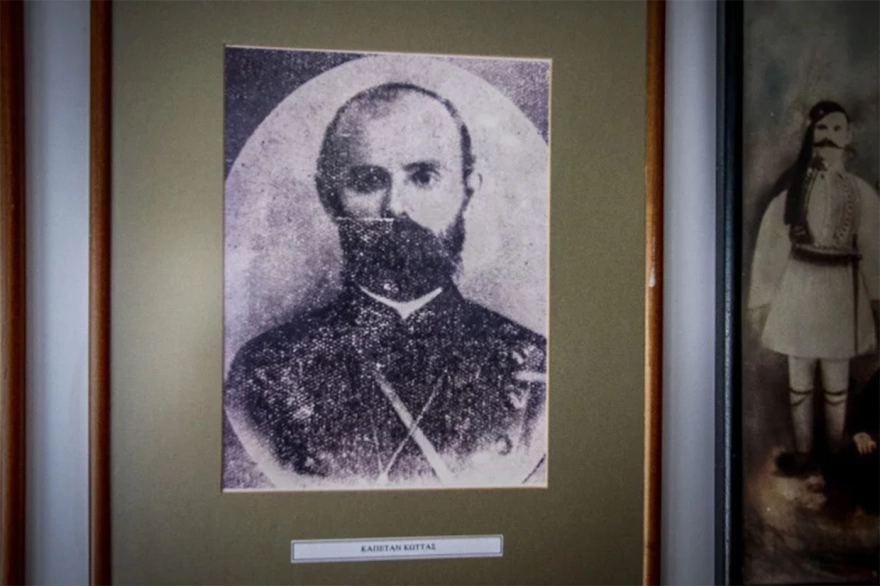
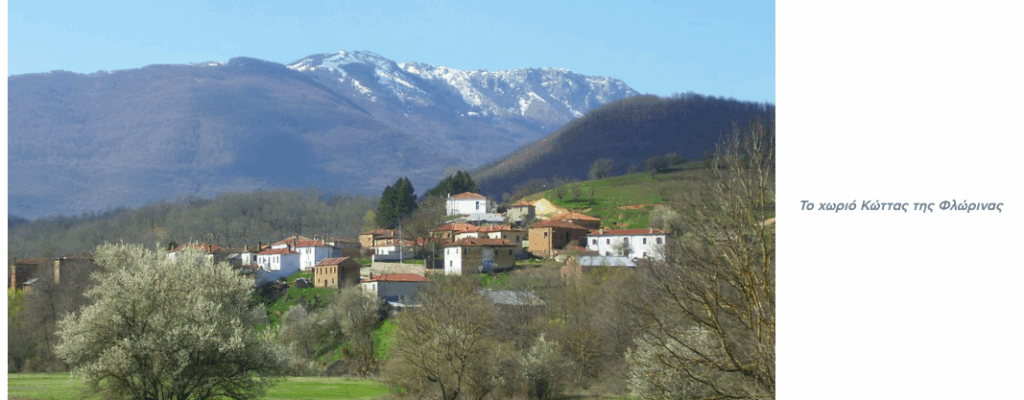
Konstantinos Christou, later known as Kottas (a derivation of Konstantinos/Kostas), was born in 1860 or 1863 in the village of Roulia (modern-day Kottas), in the mountainous region of Western Macedonia. The area connected Florina with Kastoria, a strategic location during turbulent times.

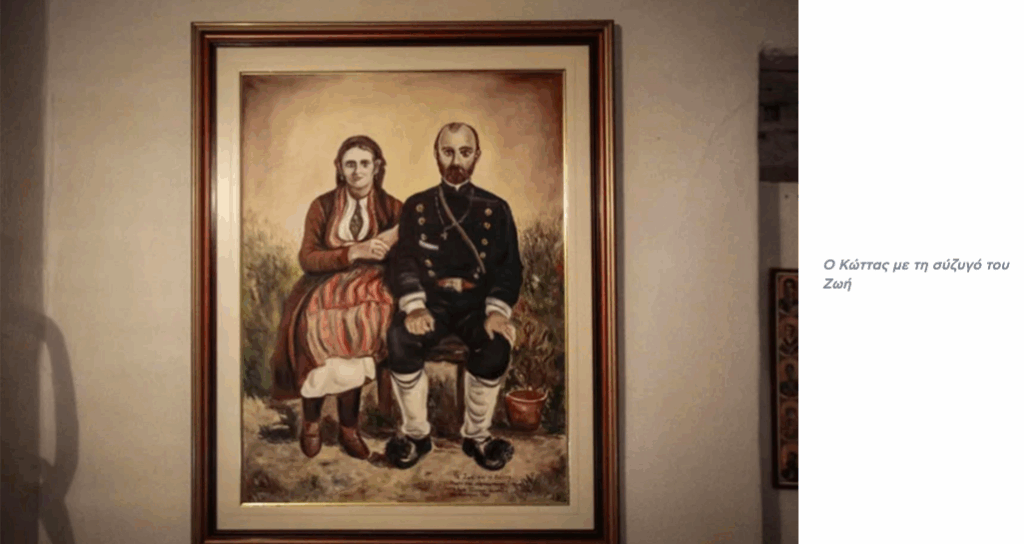
Kottas was the only son of Christos and Sophia Christou, relatively prosperous farmers. His family was Slavic-speaking, and Kottas himself grew up speaking limited Greek. Over the years, he worked as a farmer, shopkeeper, shoemaker, candle-maker, innkeeper, and even served as village headman. Known as a skilled hunter and marksman, Kottas was deeply religious and philanthropic, often helping villagers and travelers alike.
The Macedonian Context

By the late 19th century, Macedonia was a battleground of ethnic and nationalist conflicts. Bulgarians, encouraged by Russia, sought to expand their influence through the establishment of the Bulgarian Exarchate, aiming to create a “Greater Bulgaria.” Macedonia was divided into linguistic zones:

  • Southern Zone: Greek-speaking Christian populations
  • Northern Zone: Slavic-speaking populations
  • Intermediate Zone: Mixed populations of Greek, Slavic, and Vlach speakers

Kottas’ region, Western Macedonia, was heavily affected by the oppression of Turkish-Albanian beys, who exploited villagers, imposed excessive taxes, and committed violent acts against women.
Kottas’ Resistance

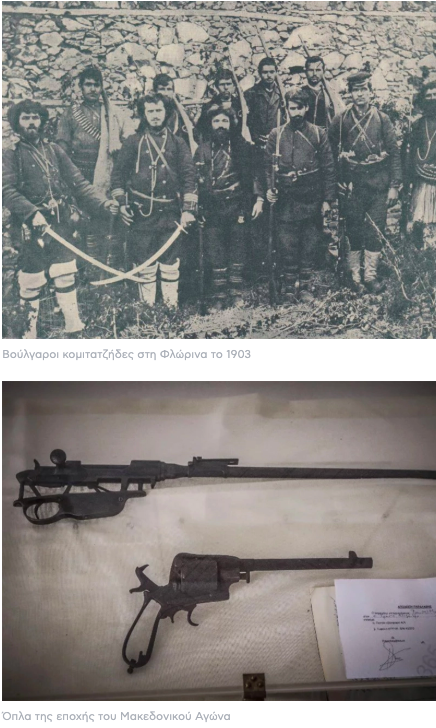
Kottas became a feared figure for oppressors. In 1897, he and fellow fighter Pavlos Kyrou killed the notorious Kasim Bey in Pissoderi after a dispute over water rights and trade. Following this, Kottas formed an armed band that systematically defended the local population against cruel Turkish-Albanian tyrants, including Albedin Bey, Nuri Bey, Cemal Bey, and Tayir Aga. In 1900, during Easter, he eliminated three ruthless agas near Boufi (modern-day Akritas), gaining legendary status among locals.
Relations with the Internal Macedonian Revolutionary Organization (IMRO)

During the 1890s, the Bulgarian-backed Internal Macedonian Revolutionary Organization (IMRO or EMEO) sought local allies to fight the Ottoman authorities. Initially, Kottas collaborated with IMRO, recognizing their shared goal of challenging Ottoman rule.

>Related articles

A 12-year-old from Switzerland diagnosed with diabetes in Lipsi – his mother sends letter of gratitude to the mayor

Tempi: How the trial over the “missing” videos collapsed, intense scenes caused by Konstantopoulou at the Larissa courts

The judge’s recusal accepted in the trial over the “missing Tempi videos,” proceedings postponed indefinitely

However, he soon clashed with IMRO leadership. Kottas refused to execute Greek Patriarchist leaders and villagers, believing that the fight against the Ottoman Empire should come first. The IMRO, often composed of young and idealistic revolutionaries, attempted to assassinate him multiple times. Kottas survived these attacks and continued his mission independently.
Legacy

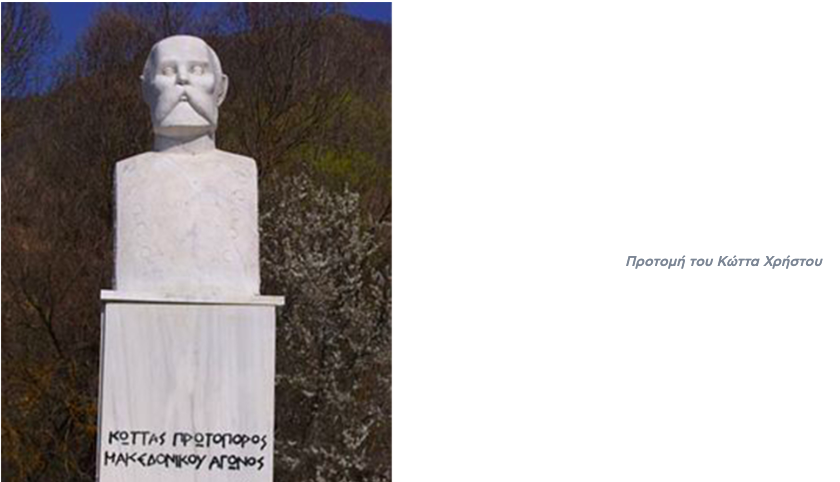
Kottas’ unwavering dedication to justice, strategic mind, and courage made him a legend in Western Macedonia. Songs about him even circulated among Albanian-speaking communities, honoring his protection of ordinary villagers. His life exemplifies the complex ethnic and political struggles of late 19th- and early 20th-century Macedonia and stands as a testament to his moral and national principles.
Sources:

  • Athanasios H. Gantos, Captain Kottas: A Pioneer of the Macedonian Struggle, Military History Magazine, Issue 122, October 2006
  • Ioannis S. Koliopoulos et al., Invisible Native Macedonian Fighters, Society for Macedonian Studies, 2008

Ask me anything

Explore related questions

#Captain Kottas#Macedonian Revolutionary Organization
> More Greece

Follow en.protothema.gr on Google News and be the first to know all the news

See all the latest News from Greece and the World, the moment they happen, at en.protothema.gr

> Latest Stories

A 12-year-old from Switzerland diagnosed with diabetes in Lipsi – his mother sends letter of gratitude to the mayor

April 3, 2026

Cabinet reshuffle 2026: Schinas and Lazaridis at the Ministry of Agricultural Development, Tournas at Civil Protection

April 3, 2026

Reshuffle at 12:30: Kefalogiannis, Tsiaras, Vartzopoulos and Kellas out – Schinas, Lazaridis and Tournas enter the government

April 3, 2026

Two case files on OPEKEPE submitted to Parliament – what they reveal about interventions and conversations between MPs and ministers

April 3, 2026

CNN revelation: Iran’s arsenal remains strong enough to cause chaos in the region

April 3, 2026

Tempi: How the trial over the “missing” videos collapsed, intense scenes caused by Konstantopoulou at the Larissa courts

April 3, 2026

The conversations in the OPEKEPE case file “unlock” which ministers may be heading for the exit – Mitsotakis’ decisions and possible dismissals over felonies

April 3, 2026

Artemis II: Orion is now heading toward the Moon – watch video

April 3, 2026
All News

> Greece

A 12-year-old from Switzerland diagnosed with diabetes in Lipsi – his mother sends letter of gratitude to the mayor

The diagnosis made by the island’s rural doctor triggered the immediate mobilisation of the Ministry of Health mechanisms, and the 12-year-old was safely transferred first to Leros and then to Rhodes

April 3, 2026

Tempi: How the trial over the “missing” videos collapsed, intense scenes caused by Konstantopoulou at the Larissa courts

April 3, 2026

The judge’s recusal accepted in the trial over the “missing Tempi videos,” proceedings postponed indefinitely

April 2, 2026

At Souda, the aircraft carrier Charles de Gaulle – it will remain in Chania for six days

April 2, 2026

Thousands of new book titles and modern material in school libraries

April 2, 2026
Homepage
PERSONAL DATA PROTECTION POLICY COOKIES POLICY TERM OF USE
Powered by Cloudevo
Copyright © 2026 Πρώτο Θέμα



