The goal of limiting the rise in global temperature to 1.5°C above pre-industrial levels is “on the brink of collapse,” UN Secretary-General António Guterres warned on Friday, expressing concern that the new national plans to cut greenhouse gas emissions, expected ahead of COP30, will fall short of what is required.
“I believe that the fact this target is on the verge of collapse is an additional reason, at this particular moment, to exert every possible pressure to secure more decisive and acceptable NDCs (nationally determined contributions),” Mr. Guterres said in an interview with AFP.
The climate goals for 2035 of the states that signed the Paris Agreement—known as nationally determined contributions (NDCs)—were initially expected months ago. However, geopolitical tensions and trade disputes have slowed the process.
With less than two months remaining until COP30 in Brazil, the new plans of dozens of countries are still delayed, especially those of China and the European Union, both considered crucial players in the future of climate diplomacy.
The UN hopes that the climate meeting co-chaired next Wednesday (September 24) by António Guterres and Brazilian President Luiz Inácio Lula da Silva will inject new momentum into the effort.
“We absolutely need countries to come forward with climate action plans fully aligned with the 1.5°C target, covering their entire economies and all greenhouse gas emissions,” the UN chief stressed.
“I worry” that after all the effort so far, “we will receive a series of NDCs that will not be up to the task of achieving this goal.”
There is no reason “to panic,” he added, but if indeed the NDCs fall short, “every possible pressure must be exerted to correct them as quickly as possible.”
The 1.5°C Target
Limiting global warming to 1.5°C above pre-industrial levels (1850–1900) is the most ambitious goal of the Paris Agreement.
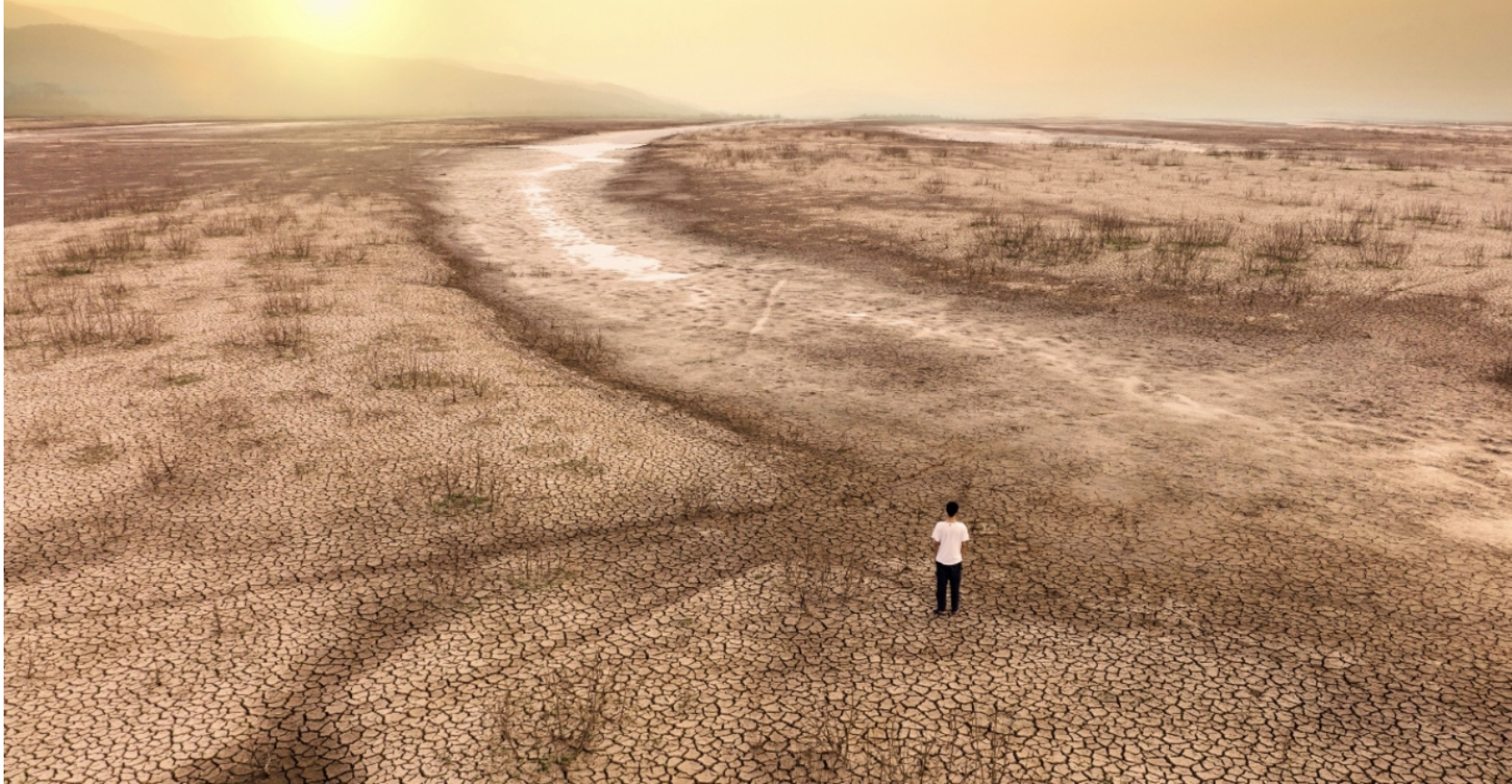
But many climatologists agree that this threshold will likely be exceeded before the end of the current decade, as humanity continues to burn—at increasing levels—oil, gas, and coal. The climate is already, on average, 1.4°C warmer today, according to the European Copernicus Observatory.
Scientists stress the importance of limiting global warming as much as possible: every additional tenth of a degree further increases risks, bringing more heatwaves and threatening the destruction of countless forms of marine life.
Keeping the rise in global temperature to 1.5°C rather than 2°C would help limit the most devastating consequences of climate change, according to the UN’s Intergovernmental Panel on Climate Change (IPCC).
According to the UN, 2024 was the warmest year ever recorded, at the peak of a decade of “record temperatures.”
Ask me anything
Explore related questions