On September 10, 1976, a gloomy Dublin Friday like so many others, a 15-year-old schoolboy named Larry Mullen Jr. pinned a seven-word note to the bulletin board at Mount Temple Comprehensive School: “Drummer seeks musicians to form band.”
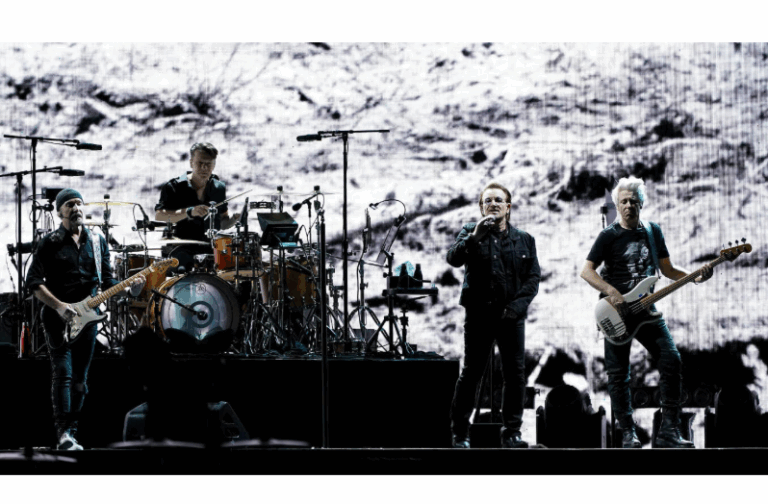
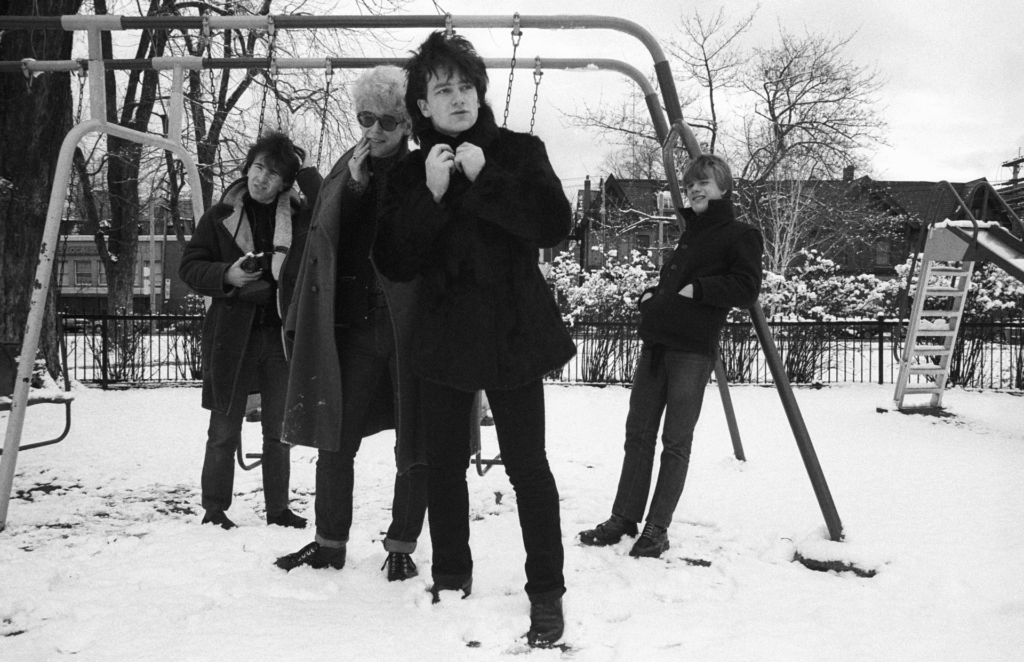
It was enough. Within days, several hopefuls turned up in his parents’ kitchen. Two weeks later, Mullen, guitarist David Evans, bassist Adam Clayton, and a young Paul Hewson gathered for the first time. Hewson had claimed to play guitar, but when his skills fell short, Mullen suggested he try singing instead. That moment marked the birth of what would become U2 — a band now approaching its 50th year on the world stage, having left behind politically charged anthems, timeless love songs, and stadium performances etched into rock history
From Feedback to U2
The group’s first names — Feedback, then The Hype — didn’t last. Playing smoky pubs around Dublin, they built a modest following before entering a Limerick talent contest on St. Patrick’s Day in 1978. Minutes before going on stage, they decided to change their name once more. From then on, they were U2.
Winning the contest earned them a modest prize but, more importantly, drew the attention of CBS Ireland, which released their first EP. Sales were meager — just 1,000 copies — but the pieces were falling into place. David Evans became “The Edge.” Paul Hewson took the stage name Bono. Their transformation had begun.
A Lucky Encounter
Touring in search of a bigger break, U2 caught the attention of Chris Blackwell, founder of Island Records. “I didn’t even like their music — it was a little dark,” he later admitted, “but I believed in them.” Signing with Island led to their 1980 debut album Boy, which split critics but began to build an international profile.
By 1983, War put them on the map with Sunday Bloody Sunday and New Year’s Day — songs that declared U2 a politically conscious band unafraid of taking a stand.
Still, the real breakthrough came in 1987 with The Joshua Tree, a global phenomenon that transformed them from promising rockers into stadium icons. The album’s critical acclaim, along with the rooftop video for Where the Streets Have No Name, cemented their place in rock history.
The Arena Years
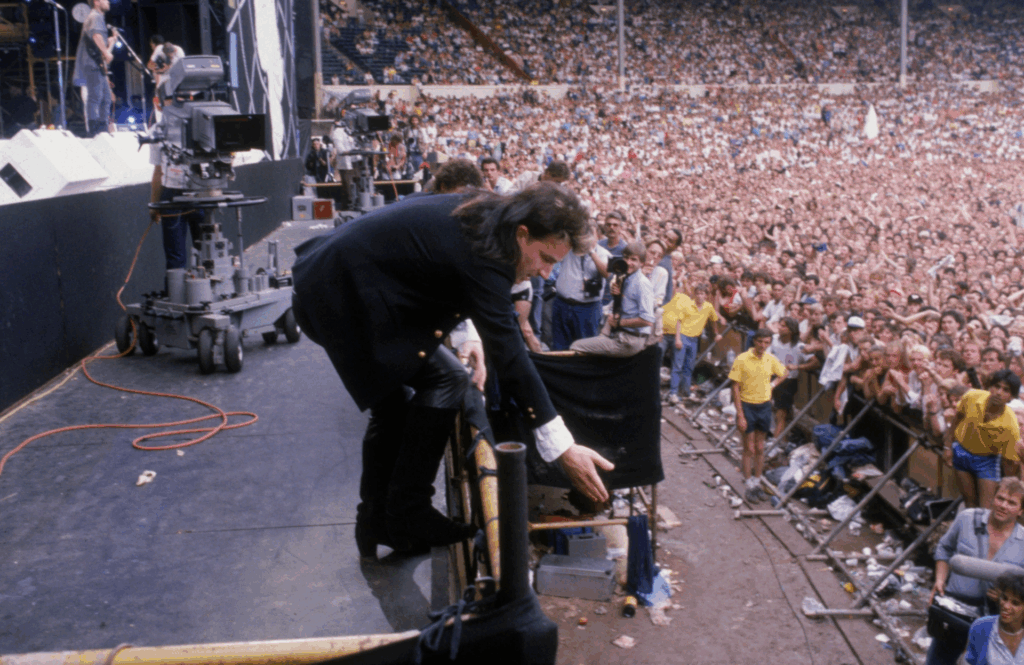
From then on, U2 were the biggest band in the world, staging shows for 80,000-strong crowds that blended music with multimedia spectacle. Fans were divided — some preferred the raw energy of their earlier days, others embraced Bono’s leather-clad alter ego “The Fly,” who would phone the White House or order pizzas live on stage.
Not everything was smooth. Twice the band nearly broke up — once in the early ’80s under pressure from a religious sect urging them to abandon rock, and again in the early ’90s over creative differences. Salvation came in the form of One, the standout single from Achtung Baby, which proved U2 could reinvent themselves without losing their identity.
Reinvention in Las Vegas
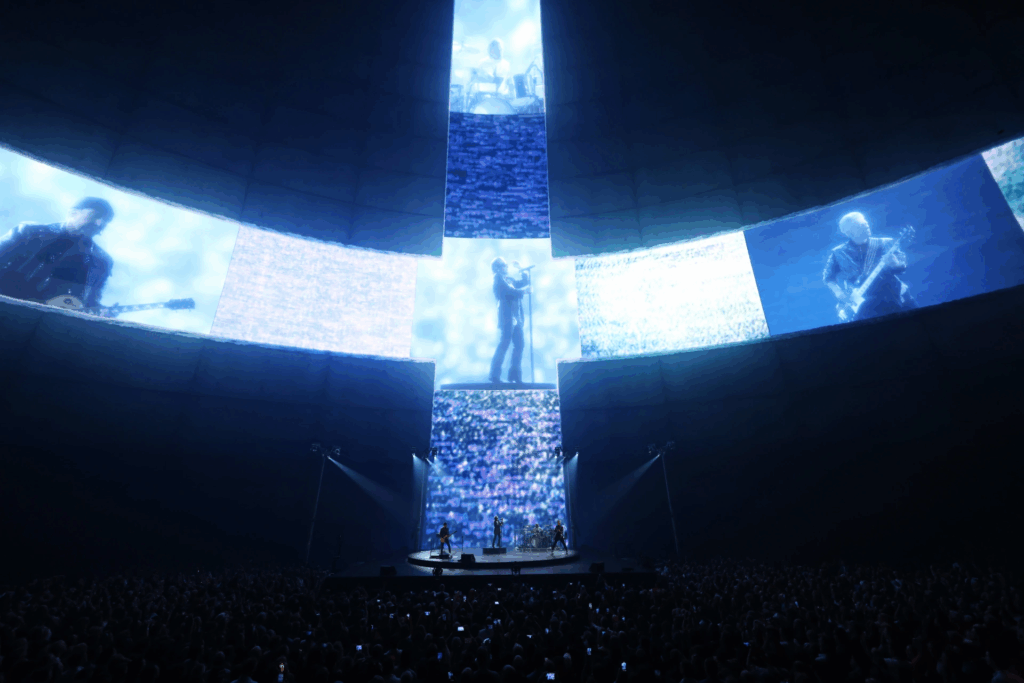
Though their recording output has slowed — their last album of new material came in 2017 — U2 remain a touring juggernaut. In 2023 and 2024, they inaugurated the groundbreaking Sphere in Las Vegas with a 40-show residency, all sold out. The futuristic 17,600-seat venue, wrapped inside and out in a 16K LED screen, became the perfect backdrop for a band that has always thrived on spectacle.
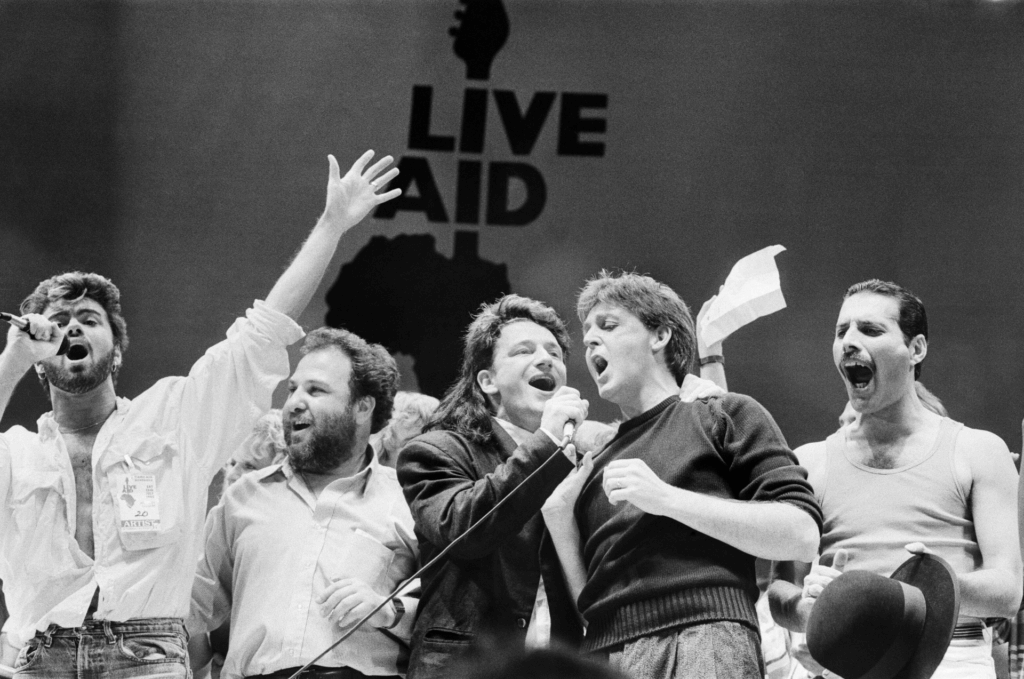
Forty-nine years after a teenager pinned a note to a Dublin school board, U2 continue to prove why they are one of the most enduring and influential bands in rock history — still filling arenas, still reinventing, and still refusing to fade quietly into nostalgia.
Ask me anything
Explore related questions