Coffee is much more than a hot drink. For millions of people, it’s both a daily necessity and a daily pleasure, while for many cultures it stands as a symbol of tradition. From Brazil to Côte d’Ivoire, and from Europe to Asia, every place has its own “sacred” way of enjoying it. Somewhere between aromas, brewing secrets, and small rituals, a universal language is born—one spoken without words: the language of coffee.
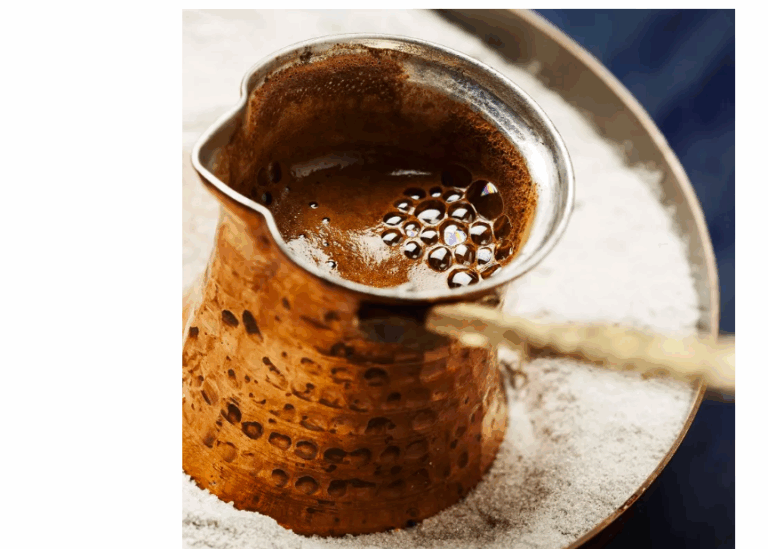
In the East, coffee is a matter of patience: brewed slowly in hot sand or in a cezve, giving the beans time to release their full aroma. In Italy, where life moves at a dizzying pace, the espresso provides a quick but powerful burst of energy. In Greece, Greek coffee—with its signature kaimaki foam—is a point of reference, though its “authorship” is shared with the Turkish tradition.
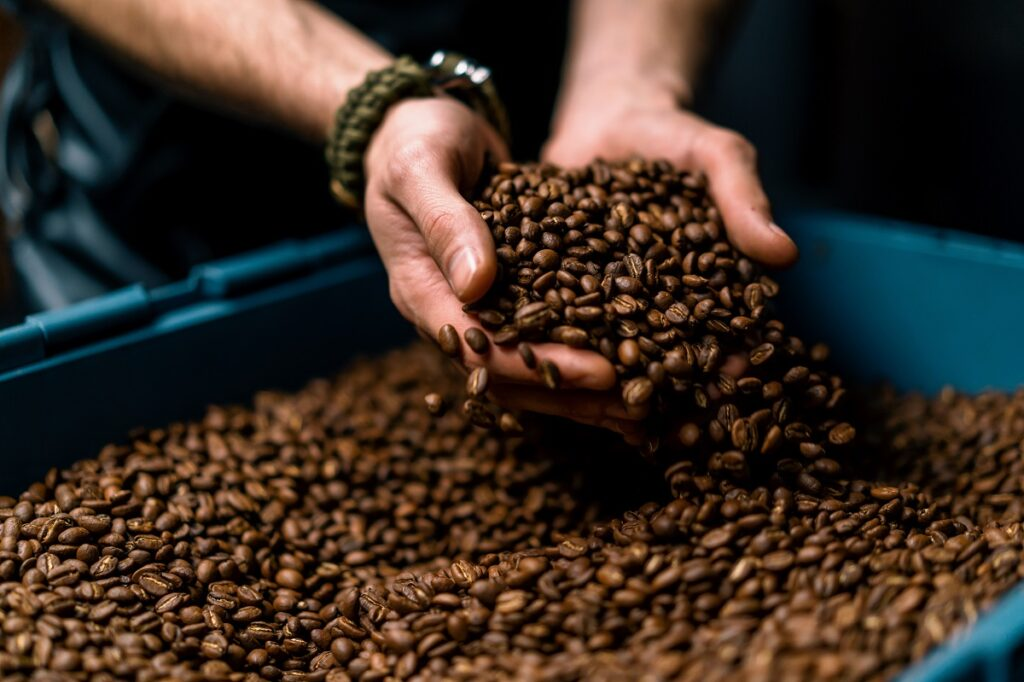
One thing is certain: good coffee begins with a good blend. Soil, climate, water, and air shape the character of each bean. The two main varieties, Arabica and Robusta, branch into countless shades, with Brazil, Jamaica, Vietnam, and Tanzania among the world’s top sources. But in the end, the “perfect coffee” is always the one that best suits our own habits.
Coffee Styles
Espresso Romano
In Italy, coffee culture has strict rules. Ristretto is the ultimate obsession, while ordering a cappuccino after a meal is considered nearly sacrilegious. In the north, strong coffee is preferred; in the south, lighter. Naples proudly boasts the best espresso bars. Among the more unusual variations is the Espresso Romano, served with a twist of lemon peel—though its actual connection to Rome remains questionable.
Americano
Despite its name, the Americano was born in Italy, when U.S. soldiers during World War II diluted espresso with hot water. In the U.S., though, the favorites are different: the Gibraltar (similar to a macchiato) and the Red Eye (espresso combined with drip coffee). The average American drinks 3.5 cups per day, with Seattle still reigning as the country’s coffee capital.
Mediterranean and Exotic Flavors
In Spain, mezcla coffee is distinguished by its caramelized taste, as the beans are roasted with sugar. In Portugal, mazagran is served cold with lemon and ice, while in Germany the Pharisaer mixes coffee with rum and whipped cream. In Vietnam, coffee is made with condensed milk and ice, while in Greece, the frappé has become the ultimate summer drink.

The Cezve: When Coffee Became Culture
Coffee brewed in the cezve (or briki) traveled from Yemen and Cairo to Constantinople and Athens. For Turks, it is part of their cultural heritage; for Greeks, a daily ritual. Tradition dictates that the coffee should simmer slowly in hot sand or ash to create the perfect foam. Some prefer it strong and thick (meraklidikos), others lighter—but all agree it is a custom with deep roots.
Coffee Trivia
- Colombia’s Eje Cafetero—the “coffee triangle”—produces some of the finest beans in the world.
- In 1677, Frederick of Prussia banned coffee, claiming it distracted citizens from their work.
- Vietnam is now the world’s second-largest coffee producer, after Brazil.
- Vienna’s love affair with coffee began after the Turkish siege of 1683, which left behind sacks of beans. The city’s oldest café, Café Frauenhuber, once hosted Mozart.
- The famous Irish coffee was invented in 1942 to warm airline passengers whose flight was forced back to Ireland due to bad weather.
- In Senegal, black pepper is added to coffee; in Mexico, cinnamon sticks; and in Turkey, cardamom.
Ask me anything
Explore related questions