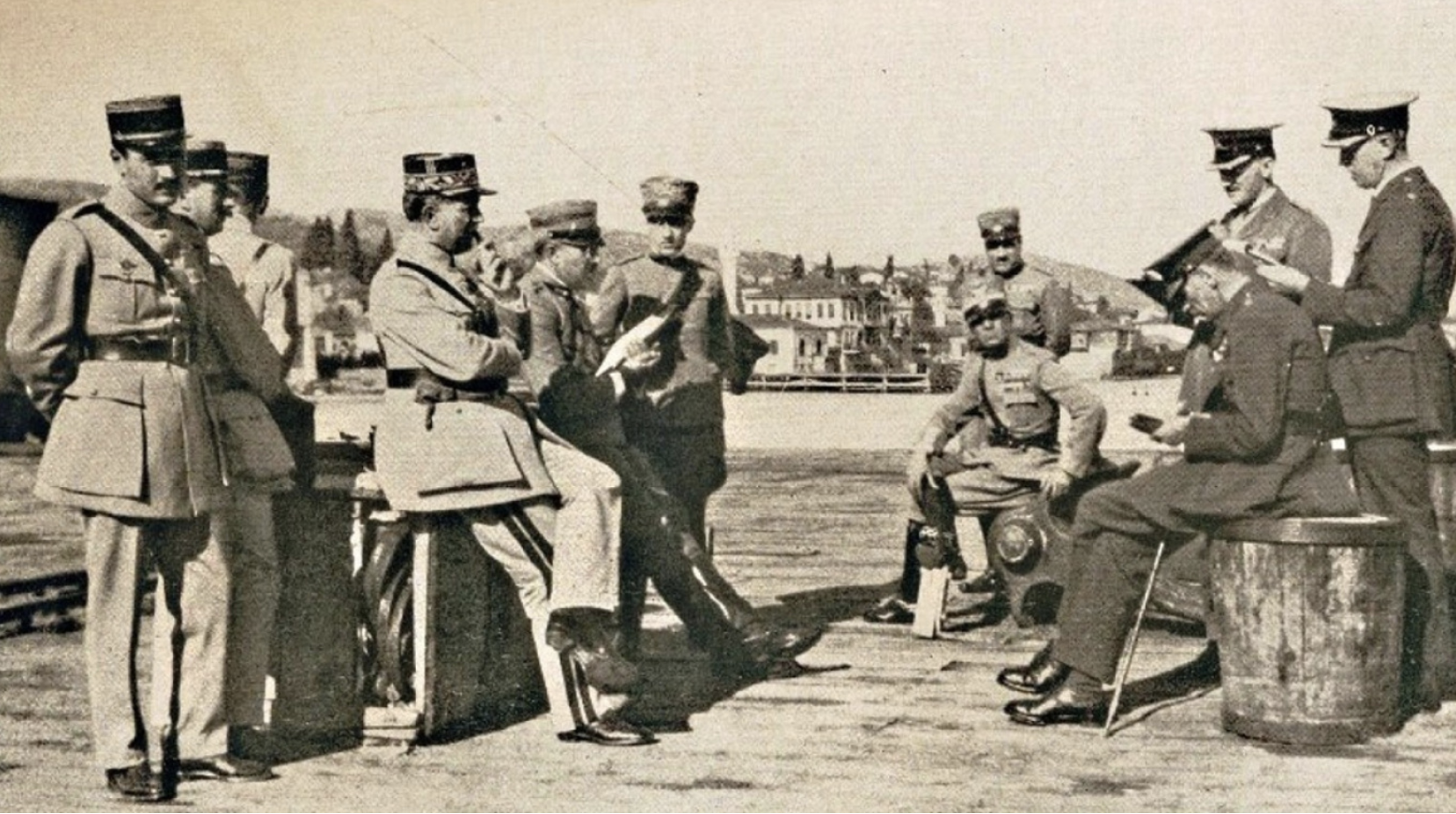
It has been 103 years since the “Armistice of Mudanya” and the abandonment of Eastern Thrace by its Greek population, on September 30, 1922. After the Asia Minor Catastrophe came the “Thracian Catastrophe”, which marked the removal of Greeks from regions where their ancestors had lived for centuries…
After the Asia Minor Catastrophe, specifically on September 11, 1922, a Movement of the Army and Navy broke out in Chios and Lesvos, and a Revolutionary Committee was formed under Nikolaos Plastiras, Stylianos Gonatas, and Dimitrios Fokas.
On August 28, 1922, the government of Petros Protopapadakis had resigned and a government was formed under Nikolaos Triantafyllakos. Meanwhile, from Chios and Lesvos, where the Revolution began, its troops reached Lavrio on September 13, 1922. The next day King Constantine I abdicated and left for Italy. On September 15, the revolutionaries entered Athens, where they foiled the attempt of retired Lieutenant General Theodoros Pangalos to take advantage of the Revolution and seize power himself.
A political government was formed with Sotirios Krokidas as president. However, power lay with the Revolutionary Committee, led by Nikolaos Plastiras. Greece’s international representation was entrusted to Eleftherios Venizelos. On September 10, 1922, the governments of Britain, France, and Italy sent a note to Kemal, asking if he was willing to send a representative to a conference to be held in Venice or elsewhere, for the conclusion of a permanent peace between Greece, Turkey, and the Allies.
In the note, signed by French Prime Minister and Foreign Minister Poincaré, British Foreign Secretary Lord Curzon, and Italian Ambassador in Paris Count Sforza, it was stated that the Allies were positively inclined toward Turkey’s demand to be granted Thrace up to the Evros River. This decision by the Allies seems inexplicable, but it can be explained by the fact that they were by then certain of their gains: “Great Britain in Mesopotamia, Kurdistan, and the oil fields of Mosul, France in Syria and Lebanon, and Italy in the destruction of Greece” (Dimitris A. Mavridis, From the History of Thrace, 1875–1925).
The fate of Eastern Thrace was decided in Paris in September 1922. The decision for its evacuation was ratified on 9/9/1922, after stormy three-day negotiations between French Prime Minister and Foreign Minister Poincaré and British Foreign Secretary Lord Curzon. Venizelos’ pleas to Poincaré were met with icy indifference.
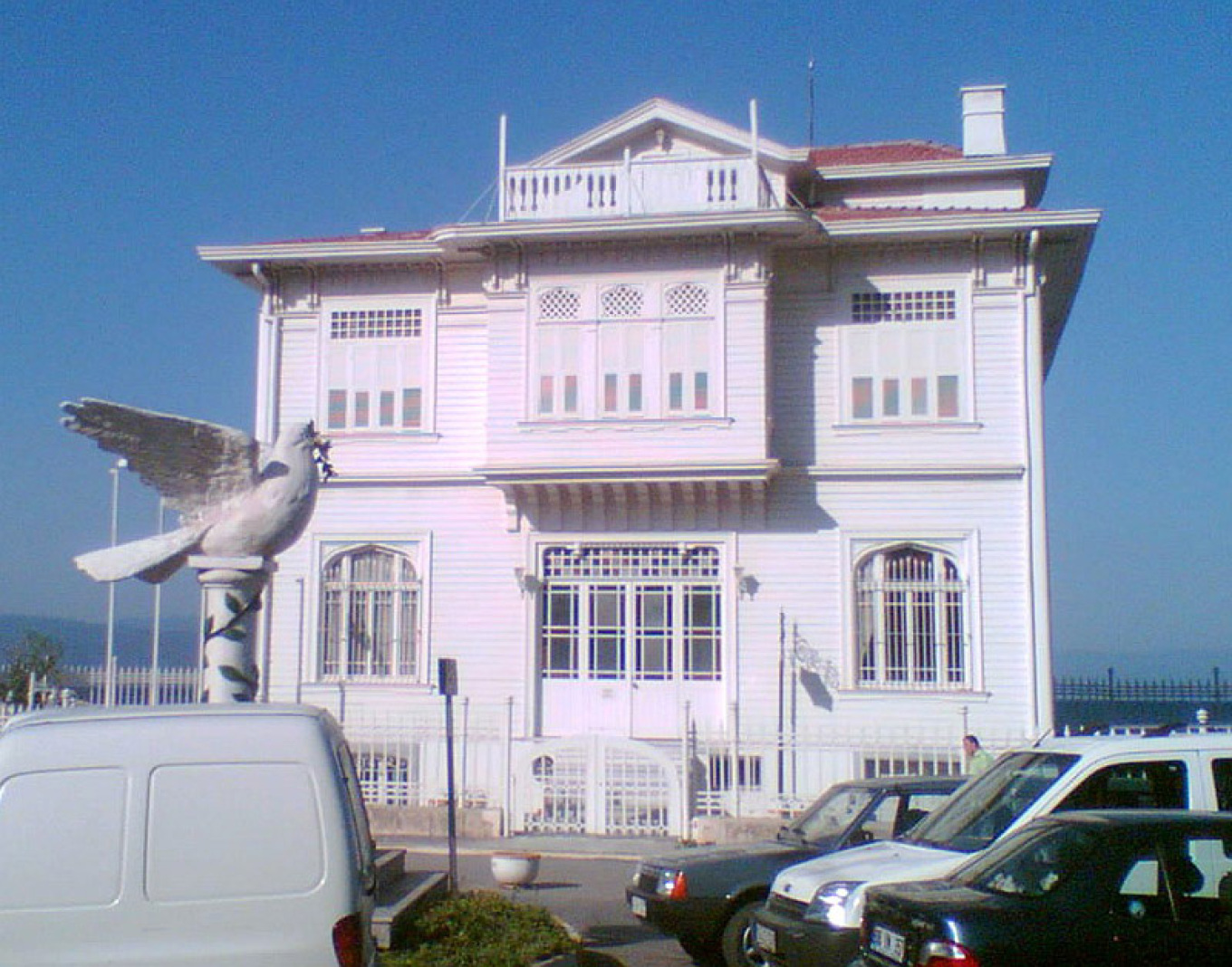
The house where the Armistice of Mudanya was signed
Despite Greece’s military collapse in Asia Minor, it was rather unlikely that the Turkish army could cross the Sea of Marmara and occupy Eastern Thrace. The Turks lacked naval power, while Greek battleships could achieve much… If our country had refused to evacuate Eastern Thrace, it would have gained precious time. If the Turks crossed the Bosphorus or the Dardanelles, which were held by the British with few forces, they would have clashed with them—a highly favorable outcome for Greece.
In Kemal’s army, signs of disorganization were already appearing… Though victorious, the soldiers were exhausted and uninterested in the European coast. Many, coming from deep Anatolia, had begun deserting. Problems also arose on Turkey’s eastern borders. Meanwhile, the approaching winter would make military operations in Eastern Thrace impossible, while the Greek army could regroup—which it did.
On 19/9/1922, in a conversation with Lord Curzon, Eleftherios Venizelos refused the withdrawal of the Greek army from Eastern Thrace before the Peace Conference, since if that happened, there would be nothing left to negotiate. As Curzon said, even the suggestion of evacuating Eastern Thrace made Venizelos lose his usual composure. Yet, just three days later, Venizelos informed Curzon that he had advised the Greek government to accept the immediate evacuation of Eastern Thrace. What happened in between, we do not know—and probably never will…
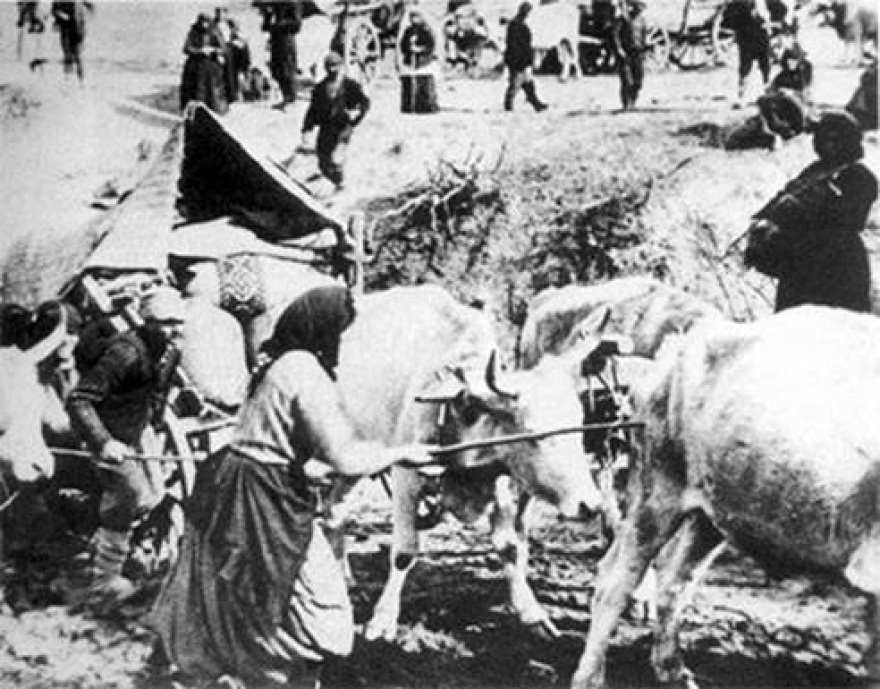
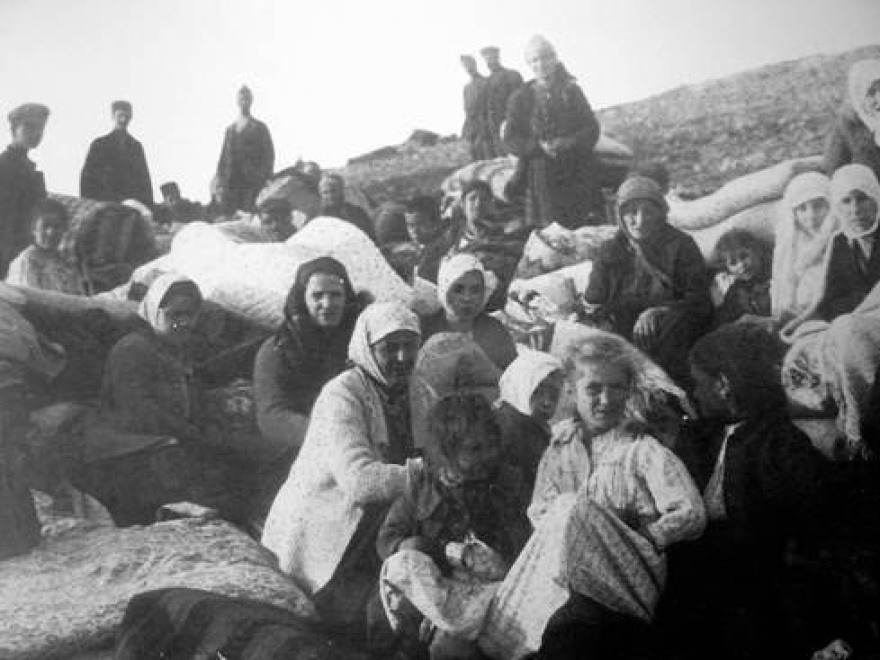
Thracian refugees
On September 20, 1922, Venizelos sent a telegram to the leaders of the Revolution:
“The change that has occurred in Greece must know that catastrophes have already taken place which are irreparable. Among the accomplished catastrophes, in addition to Northern Epirus and Western Asia Minor, is Eastern Thrace, since our three great former Allied Powers have decided to hand it over to Turkey, and no sensible citizen can imagine continuing the war with Turkey while we are in complete diplomatic and military isolation.”
Regarding Eastern Thrace, he wrote:
If the government insisted on holding Eastern Thrace against the contrary opinion of the “Allies,” “my warmest wishes would accompany this struggle of the Nation, but I would in that case be in the sad necessity of refusing the honorable mandate to represent the country abroad.”
The conference on the future of Eastern Thrace was eventually decided to be held in Mudanya (present-day Mudanya), a town in Asia Minor in Bithynia, the port of Bursa. It began on 20/9/1922—without the participation of the Greek side! As Ismet Pasha (later Ismet Inönü) told S. Markezinis in 1972, the main subject of the conference was “the line” up to which the Greeks would withdraw. Inönü told the “Allies”: “Let us reach a result, and the Greeks will be forced to accept it.” (S. Markezinis, Political History of Modern Greece).
The French and Italians acted as allies of the Turks, while the British, exasperated and weary, were the only ones showing some understanding for the Greek positions. As Spyros Markezinis writes: “The Greeks remained mute spectators while the Turks continuously raised new demands.”
Kemal made the outrageous demand that the Greek delegation not arrive in Mudanya on a Greek ship! The French and Italians not only accepted his demand but also pressured the rather reluctant British to do the same!
The Greek delegation to Mudanya consisted of: Alexandros Mazarakis Ainian (Major General), Pavlos Oikonomou-Gouras (Foreign Ministry attaché), Alexandros Melas (reserve captain), Filotas Chatzilazaro, Kostas Athanatos (journalist and writer, real name Konstantinos Karamouzis), and Colonel Ptolemaios Sarigiannis, former Deputy Chief of Staff in Asia Minor.
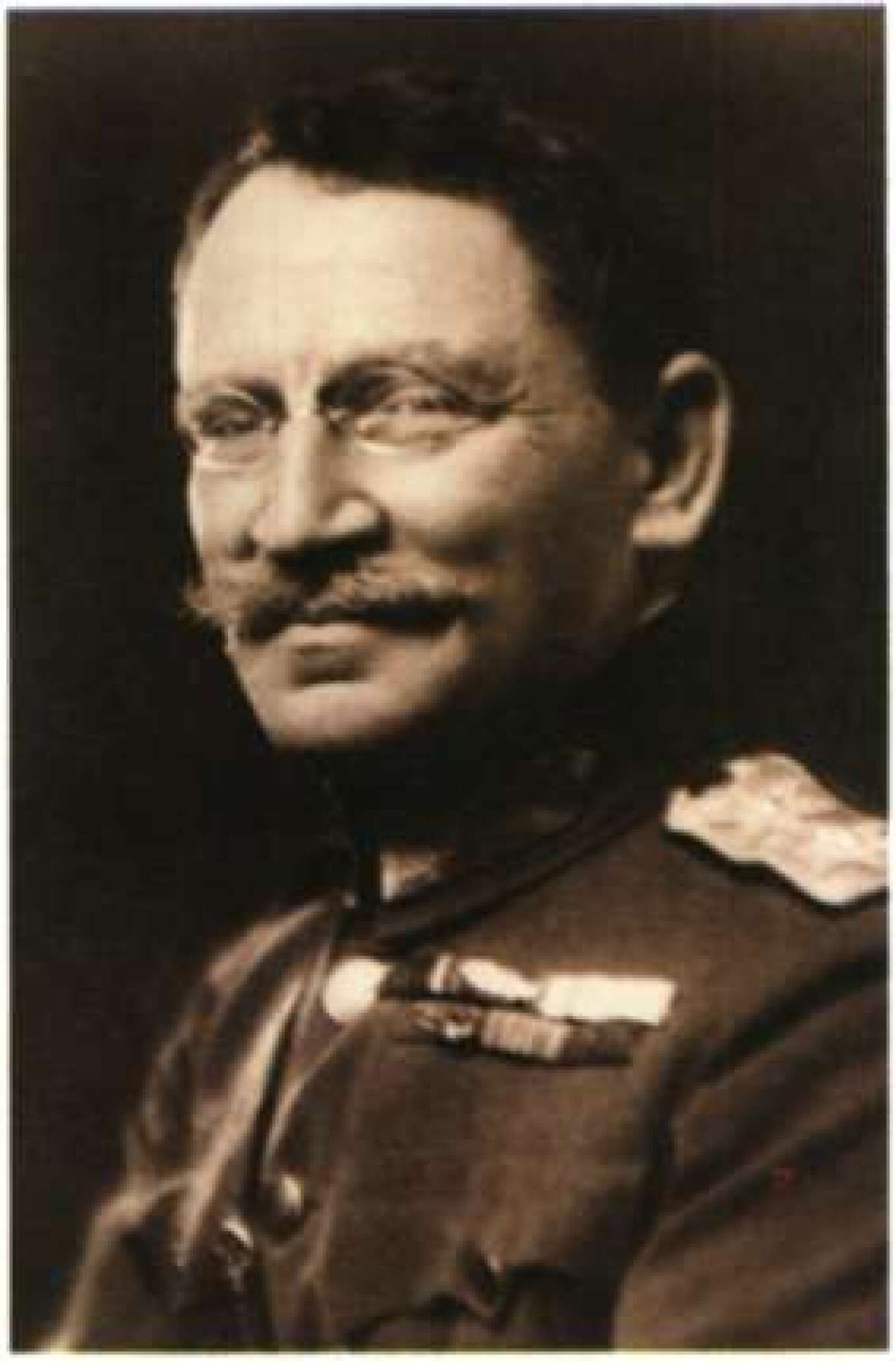
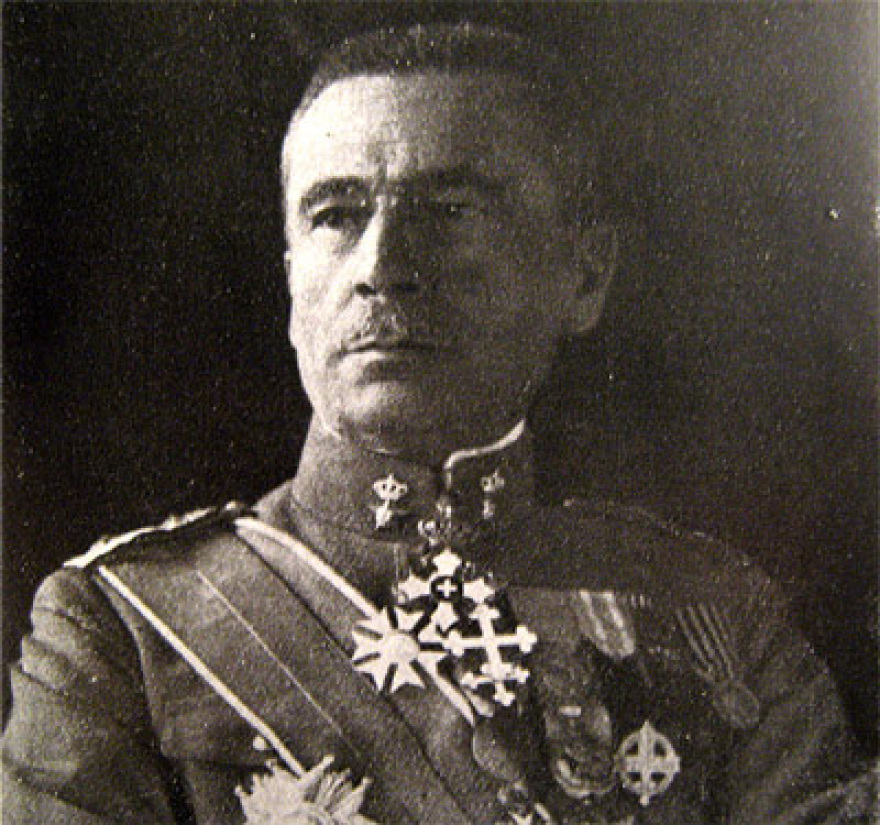
Alexandros Mazarakis Ainian
All of them boarded the ship Sphendoni, along with Nikolaos Plastiras, who did not actively participate in the negotiations but closely observed them (according to Stylianos Gonatas). At Raidestos, the ship stopped for coaling. The British, acting deceitfully, offered to transport the Greek delegation to Mudanya on a fast destroyer, thus satisfying Kemal’s demand, while the Greek delegation was completely unaware.
Unfortunately, the ignorance of the Greek delegation did not stop there. The revolutionary government, anxious for international recognition, considered the invitation to Mudanya a positive development. It was under the impression that only the terms of a ceasefire would be discussed there.
Major General Alexandros Mazarakis Ainian had received an appointment document which explicitly stated that any commitment not to reinforce the army in Eastern Thrace was excluded, and even wrote word-for-word: “…a complete evacuation of Eastern Thrace up to the Evros River is absolutely excluded” (as Mazarakis Ainian himself reports). In the area there were about 45,000 men (five divisions) and a fairly strong artillery force.
Nikolaos Plastiras personally went to the region and assured the inhabitants that “Thrace, for Greece, is considered its very life” (25/9/1922, old calendar) (Dr. Ioannis Papafloratos, The History of the Greek Army (1833–1949), vol. I, p. 769). The leader of the movement also declared the following:
“Thrace constitutes the soul of Greece. The army, being reorganized, will form the bastion of Thrace… Rest assured, as long as the Revolution keeps watch and your issue is handled by the greatest of politicians (i.e. Eleftherios Venizelos). The Revolution… declares that its foremost and objective purpose is, through the relentless application of the laws, to restore the state to the path of honor and duty and to organize an army worthy of the circumstances for the salvation of Thrace… everyone must hope that Thrace will not experience slavery, for Christian Europe [sic] will not tolerate it, and because the government of the country has been assumed by more moral elements, while the management of the Thracian question lies in the greatest political mind… Thrace, for Greece, is considered its very life…”
(Newspaper Eleftheron Vima, 26/9/1922, p. 1)
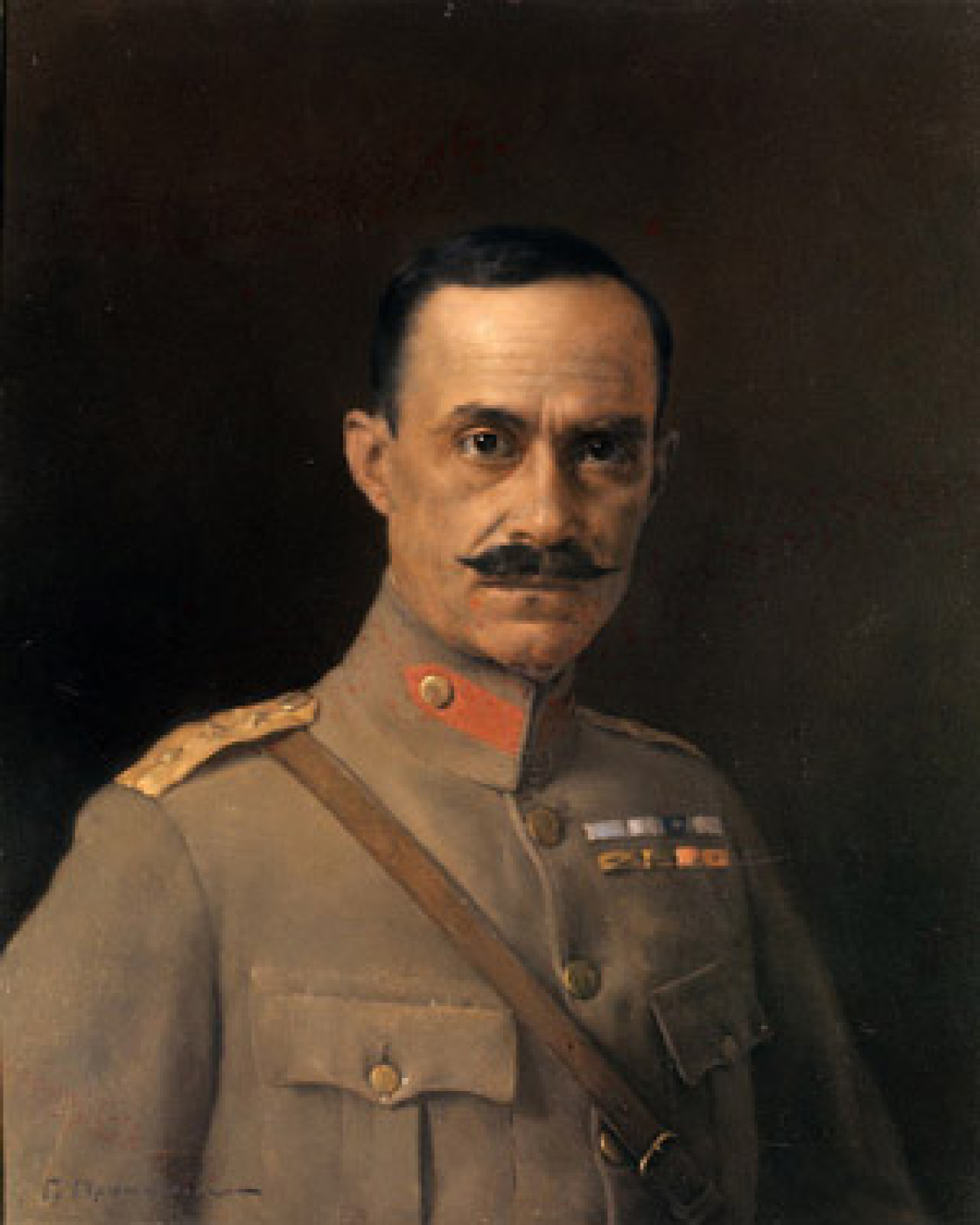
Nikolaos Plastiras
However, things did not turn out favorably for our country… On the third day of the conference, the Greek representatives were informed of the agreed text, according to which Greek forces had to immediately abandon Eastern Thrace. Only the details could be discussed.
Naturally, the Greek delegation reacted strongly, which enraged the French representative at Mudanya, Charpy. Some even described him as “wretched” for his overall behavior there. The Italian representative was more moderate than the Frenchman, though broadly in agreement with him. In contrast, the British side appeared more sympathetic to Greece.
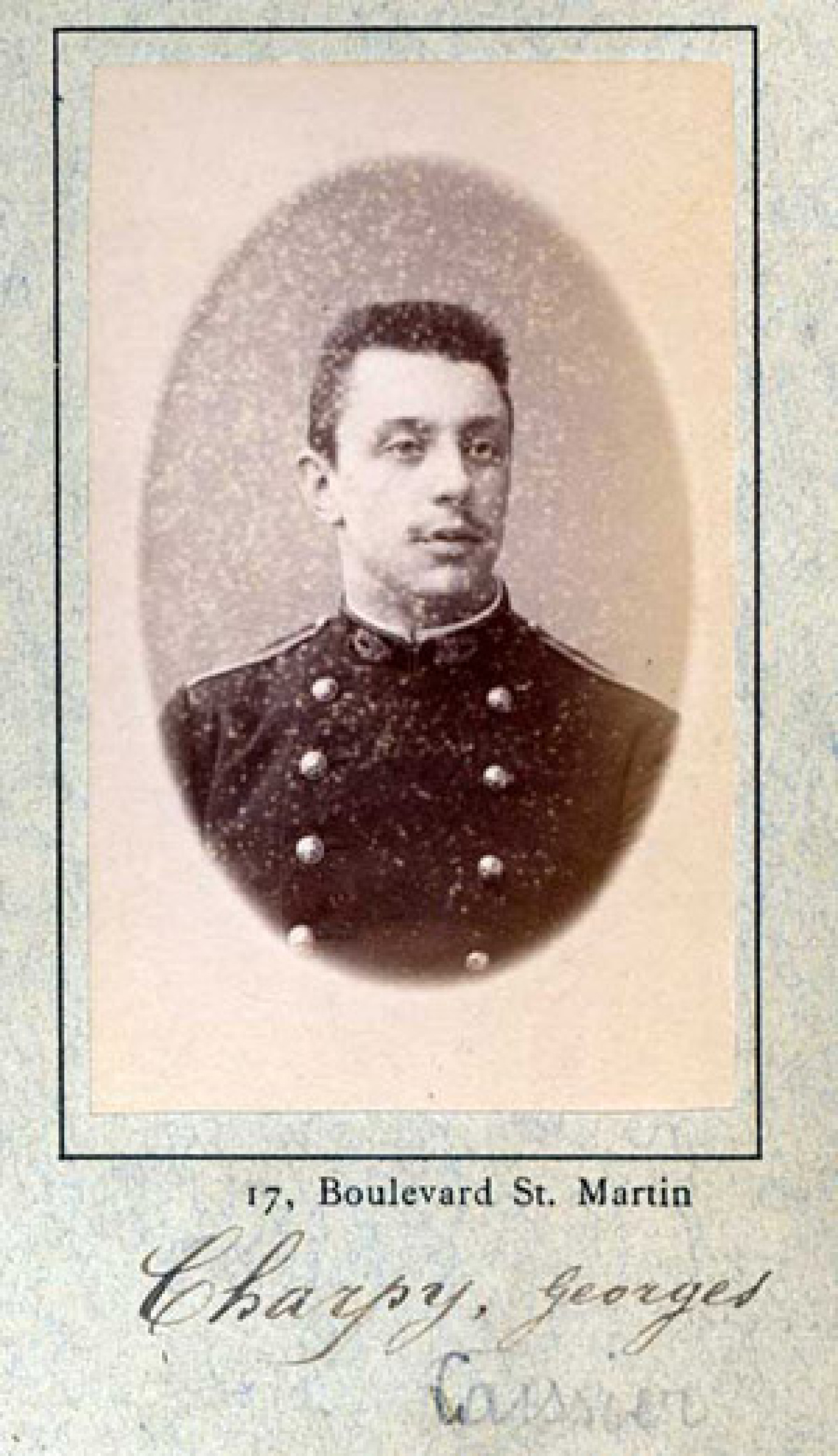
The Greek delegation ultimately refused to sign and proceeded to draft its own text. Unfortunately, that very same day, Eleftherios Venizelos accepted the Evros line as the border between Greece and Turkey. On 25/9/1922, he telegraphed from Paris: “Eastern Thrace has unfortunately been lost for Greece” and “it is necessary that Thracians abandon the land they and their ancestors have inhabited for so many centuries.” As Dimitris A. Mavridis characteristically writes: “It was yet another of the national cleansings of the 20th century, even though the Mudanya Armistice protocol concerned only the evacuation of Eastern Thrace by the Greek army and not by the Greek population.”
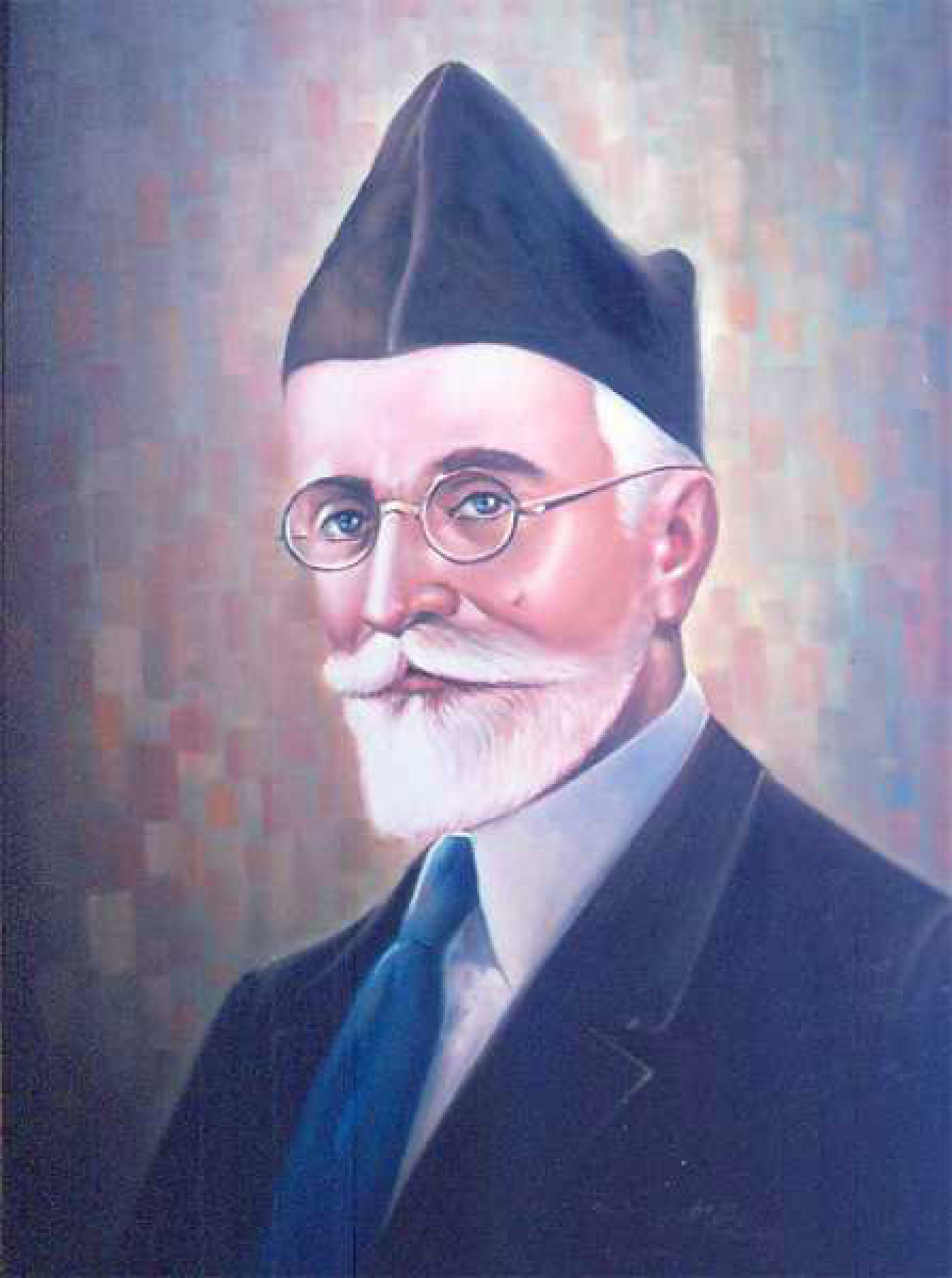
Eleftherios Venizelos tried in vain to convince the Europeans that the delivery of Eastern Thrace to the Turks was unnecessary
Following these developments, new instructions were given to Mazarakis Ainian. However, immediately afterward, a new telegram arrived from Athens ordering the Greek officer to accept as the border the old Bulgarian-Turkish frontier of 1915. Mazarakis sarcastically commented then (and was later proven right…) that the officials of the Foreign Ministry and the General Staff were unaware that this treaty placed the Bulgarian-Turkish border two kilometers east of the Evros. With the first telegram, however, Mazarakis Ainian received the order to consent to the evacuation of the entire eastern bank of the river and the area of Karagatch.
Plastiras, realizing the dramatic developments, quietly left Mudanya, apparently to remain as unscathed as possible. Charpy was furious at the Greeks’ refusal to sign what had been agreed (in their absence…). He even told Mazarakis that the Allies had prevented the Turks from chasing out the Greeks of Thrace! This audacity was also fueled by indefensible statements, such as that of Kondylis, who said: “If the Turks reached Thrace, only the Corinthian Gulf would stop the Greeks from fleeing.” (Dr. Ioannis Papafloratos, The History of the Greek Army (1833–1949), vol. I)
Regarding the Mudanya Conference, it is characteristic that Greeks and Turks never sat at the same table. They were called alternately into the sessions, most of which were held on the British warship Iron Duke. The Greek delegation never once set foot on land!
In the end, on September 28, 1922 (October 11, new calendar), the convention was signed by the Allies and the Turks, but not by the Greek side, which had clear instructions to accept only the withdrawal of Greek troops from Eastern Thrace. The Greek administrative officials and gendarmerie were to remain there. The members of the Greek delegation went to Raidestos and from there, with the ship Aspis, arrived at Phaleron.
The Greek government (that of Sotirios Krokidas, let us recall) expressed its satisfaction toward Mazarakis and the other members of our delegation at Mudanya. Shortly afterward, a joint meeting of the Council of Ministers and the Revolutionary Committee was held. It was decided there to accept the faits accomplis of Mudanya, and the Greek High Commissioner in Constantinople was authorized to sign the Protocol of evacuation of Eastern Thrace. Astonished, Ismet Pasha (Inönü) said to Kemal: “The Yunan (Greeks) are gifting us Eastern Thrace!”
He repeated the same thing 50 years later to S. Markezinis: “Thrace was handed to us without a single shot being fired.”
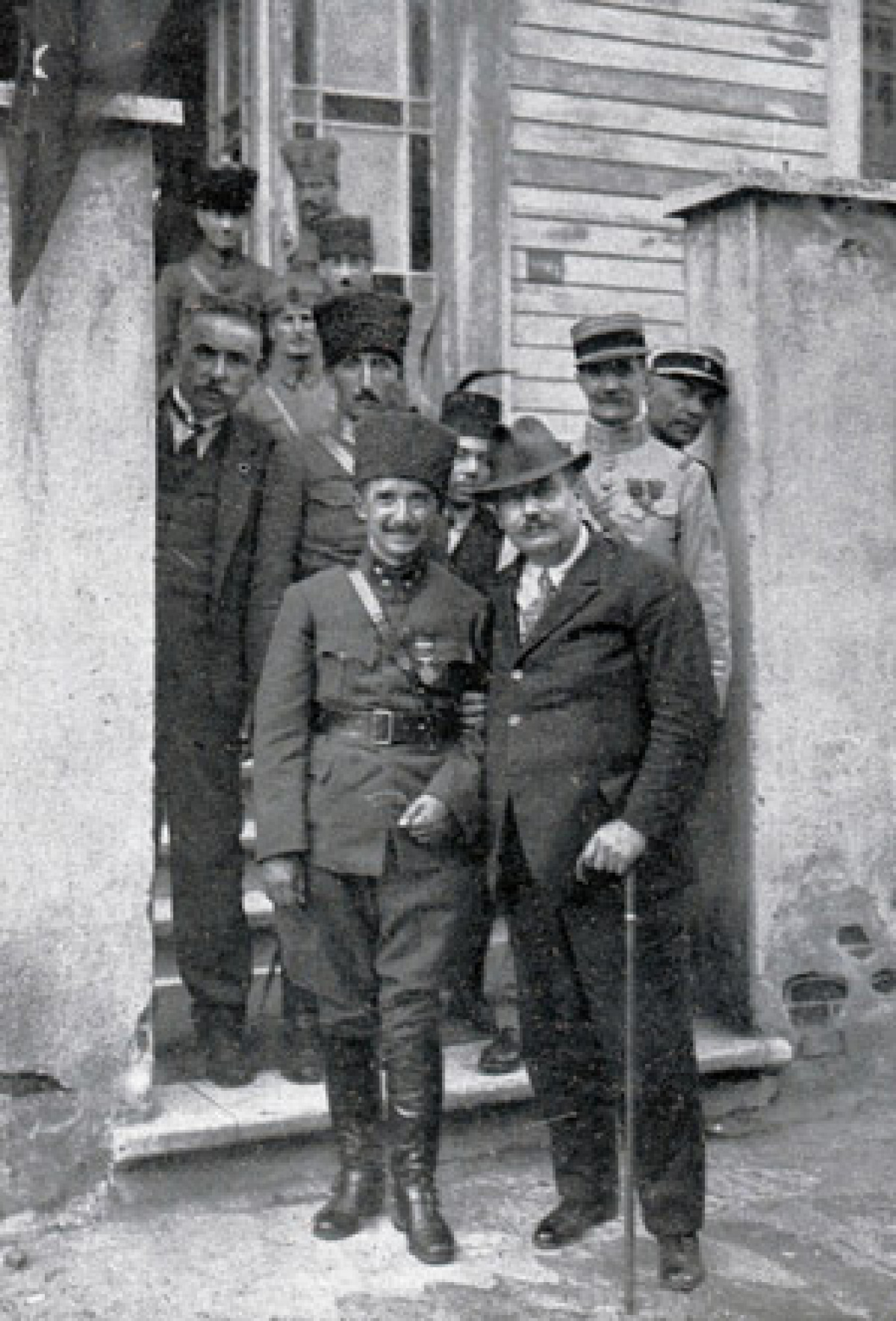
This was one of the darkest moments in modern Greek history. What was it that made Eleftherios Venizelos change his mind in just three days? Why was Eastern Thrace abandoned despite Plastiras’ proclamations? In what serious state would there be such (inexcusable) ignorance about where the border of two neighboring countries had been only seven years earlier?
The stance of the Greek delegation at Mudanya seems to have been more dignified and nationally correct, something acknowledged even by the Frenchman Charpy—prompter (at least) of the Turks along with Franklin-Bouillon—the Italian Mombelli, and the Briton Harrington, who headed the delegations of the “Allies.”
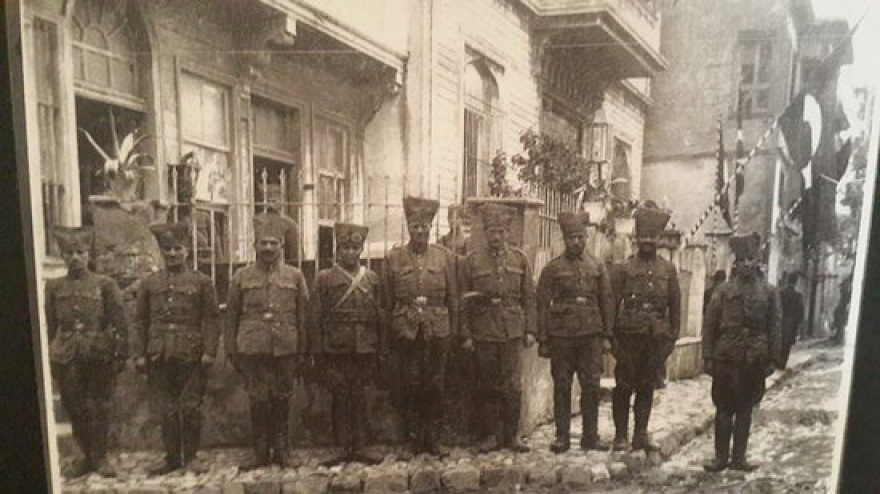
“The Greek delegation observes that none of the points it raised in its previous statements was taken into account in the drafting of the final military agreement. Above all, regarding the line of withdrawal of the Greek troops, which it had already declared it could not accept, it received no satisfaction…”
With the Armistice of Mudanya, Turkey was also granted the so-called Karagatch Triangle, an area of 24,500 sq. km., of great economic and military importance. (See also our article on Lenin–Kemal cooperation, protothema.gr, 9/4/2017).
Epilogue
On 30/9/1922, General K. Nider issued the order for the withdrawal of the Greek Army west of the Evros. The withdrawal began on 2/10/1922 and was completed on 18/10/1922.
From 5/10/1922 to 18/10/1922, more than 250,000 Greeks (elsewhere reported as 400,000) abandoned the Greek Eastern Thrace in an atmosphere of despair and panic. Among them were also Asia Minor Greeks who had temporarily settled there. The Greek civil authorities departed by the end of October 1922. The last to leave were the inhabitants of the Gallipoli Peninsula. And, as Ismet Inönü said, all this happened without a single shot being fired…
Eastern Thrace
At the beginning of the 20th century, 360,000 Greeks lived in the region, while another 300,000 Greeks (Rum) lived in Constantinople. The rest of the population of Eastern Thrace—almost half of the total—consisted of Turks, Albanian Muslims, Bulgarians, Armenians, Gypsies, Jews, and Christian Turks (Gagauz).
The main Greek centers of Eastern Thrace were Adrianople (Edirne), Saranta Ekklesies, Raidestos, the 28 villages of Ganochoria (above and around the monastic center of Mount Ganos), Makra Gefyra, Vizye, Chora, Epivates, Exastero, and Selymbria, which formed a fortified position in Constantinople’s defensive system. Entirely Greek populations, and flourishing ones at that, also existed in the suburbs of Constantinople, on the coast of the Sea of Marmara, on the eastern shore of the Black Sea, at Mount Ganos, and in the Strandzha mountains. The populations of the Gulf of Saros on the Aegean coast and up to the mouth of the Evros, where the ancient city of Ainos was located, were also overwhelmingly Greek.
During the Balkan Wars and the persecutions of the Young Turks (1914–1918), many thousands of Thracians were located or forced to migrate to Greece (mainly Macedonia) or abroad. After the Treaty of Sèvres and the arrival of the Greek army in Eastern Thrace in July 1920, many returned to their homes—only to abandon them forever after the Asia Minor Catastrophe and the Mudanya Armistice in the autumn of 1922.
(Most of the material we presented here comes from Dimitris A. Mavridis, From the History of Thrace, 1875–1925, published by the Holy Metropolis of Xanthi and Peritheorio, Xanthi, 2006.)
From the Asia Minor Catastrophe to the Mudanya Armistice
Sources
- Dr. Ioannis S. Papafloratos, The History of the Greek Army (1833–1949), vol. I
- Special thanks to Dr. I. Papafloratos for kindly granting us permission to use material from his work.
- Dimitris A. Mavridis, From the History of Thrace (1875–1925), published by the Holy Metropolis of Xanthi and Peritheorio, Xanthi 2006.
- Grigorios Dafnis, Greece Between Two Wars, 1923–1940, Kaktos Publishing, 1997.
Ask me anything
Explore related questions