





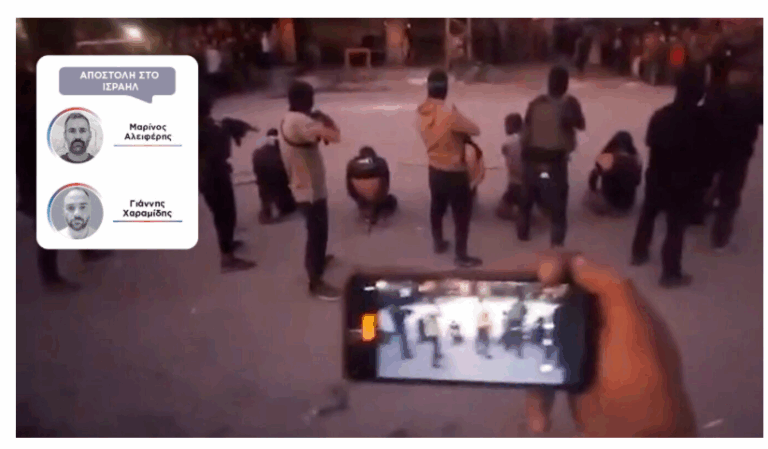
The Gaza Strip now appears to be on the verge of a civil war, as tensions rise between Hamas and rival armed Palestinian factions. Clashes are breaking out along the entire length of the Strip, with videos surfacing online showing faction leaders demanding that Hamas fighters stay out of their territories while armed.
A New Armed Group Emerges
Correspondents Giannis Charamidis and Marinos Aleiferis report from Israel that a new armed group calling itself the “People’s Army” was formed on October 14. The group claims to control key areas in northern Gaza and has declared that it will deny Hamas access to positions stretching from Gaza City to the northern border with Israel.
Meanwhile, as part of the next phase of negotiations, plans reportedly include the deployment of 1,000 Palestinians within Gaza to act as a “Gaza Police”, aiming to gradually restore order in a region that has suffered more than any other over the past two years.
Hamas’ Reign of Fear
Hamas has reportedly deployed armed units throughout Gaza that publicly execute people accused of collaborating with Israel — often in the middle of the street. These videos are widely circulated on smartphones and social media, creating an atmosphere of fear among the population.
Rival Factions
At least four major factions are said to be challenging Hamas’ control:
- Popular Force
- Doghmosh Group
- Al-Majayda
- Hellis
Some of these groups are reportedly receiving indirect support from Israel.
The Popular Force
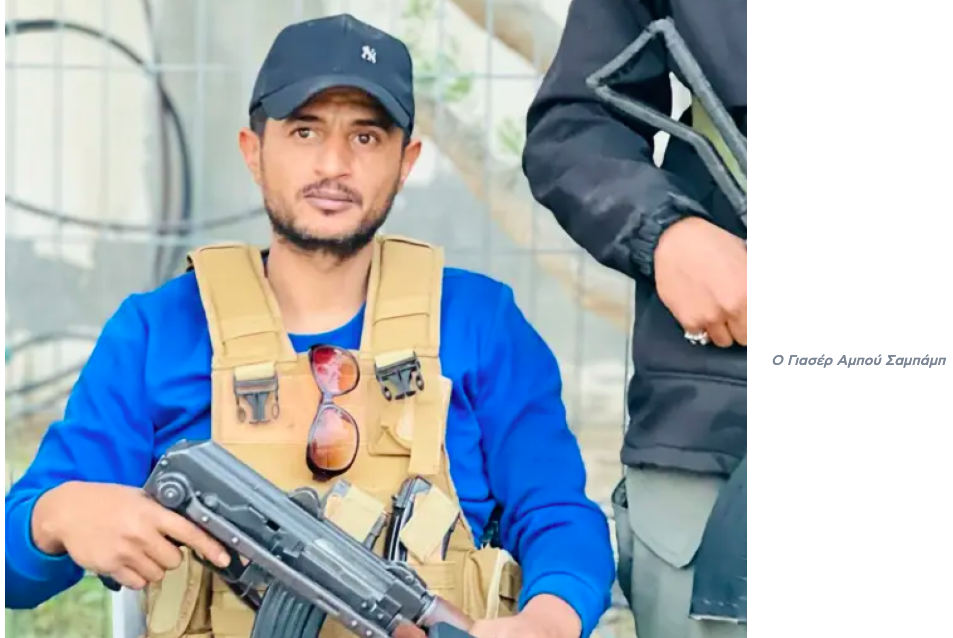
This militia operates mainly in southern Gaza under Yasser Abu Shabab, who is believed to have recruited hundreds of fighters by offering competitive salaries. The group is estimated to have around 400 men, according to Reuters.
UN officials told the Washington Post that Shabab’s group has allegedly benefited from Israeli arms shipments, intended to strengthen resistance against Hamas — a claim Shabab denies, calling it Hamas propaganda.
The Popular Force is said to have expanded control beyond the city of Rafah, “policing” areas now held by Israeli forces.
The Doghmosh Faction
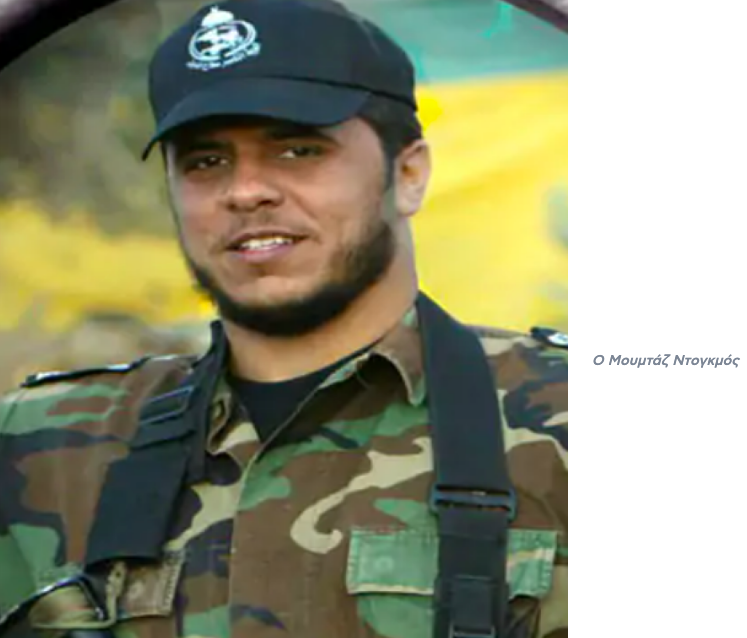
Led by Mumtaz Doghmosh, a former member of the Army of Islam who once pledged allegiance to ISIS, this group has a long and violent history. Doghmosh was involved in the 2006 abduction of Israeli soldier Gilad Shalit, which eventually led to the release of Yahya Sinwar, the architect of Hamas’ October 7 attacks.
Although Doghmosh has not been seen since the war began, his fighters have clashed repeatedly with Hamas, leaving at least 27 dead last weekend, according to the BBC.
The killing of journalist Saleh Aljafarawi (known as Mr. FAFO), reported by Al Jazeera, has been linked to one such clash.
The Al-Majayda Faction
Active in southern Gaza, particularly Khan Younis, this group is led by Hussam al-Astal. He has previously been accused of receiving Israeli support, which he denies.
Earlier in October, Hamas fighters attacked members of Al-Majayda, resulting in multiple deaths.
According to Israeli outlet Ynet, al-Astal has portrayed himself as a “savior” from Hamas’ rule, claiming that “the resistance in Gaza will overthrow Hamas fighters forever.” However, in a more recent statement, he expressed support for Hamas’ efforts to restore law and order.
The Hellis Faction
Based in Shejaiya, a suburb of Gaza City, the Hellis faction is led by Rami Hellis, who has allied with Ahmad Judeh’s local militia to take control of areas still under Israeli occupation.
The Hellis faction has clashed with Hamas repeatedly since 2007, when Hamas first took control of the Strip, and is politically aligned with Fatah, the party governing the West Bank.
Though Hellis operates in zones under Israeli military presence, it remains unclear whether it is among the groups supported by Tel Aviv in the ongoing fight against Hamas.
Ask me anything
Explore related questions




