





Australia, the land already famous for its snakes, spiders, and sharks, can now add another fascinating creature to its list: a newly discovered bee species named “Lucifer.” Scientists gave it this striking name because of its unusual tiny horn-like protrusions that give it a devilish appearance.
The species, officially named Megachile (Hackeriapis) Lucifer, was found in Western Australia, according to researchers from Curtin University in Perth.
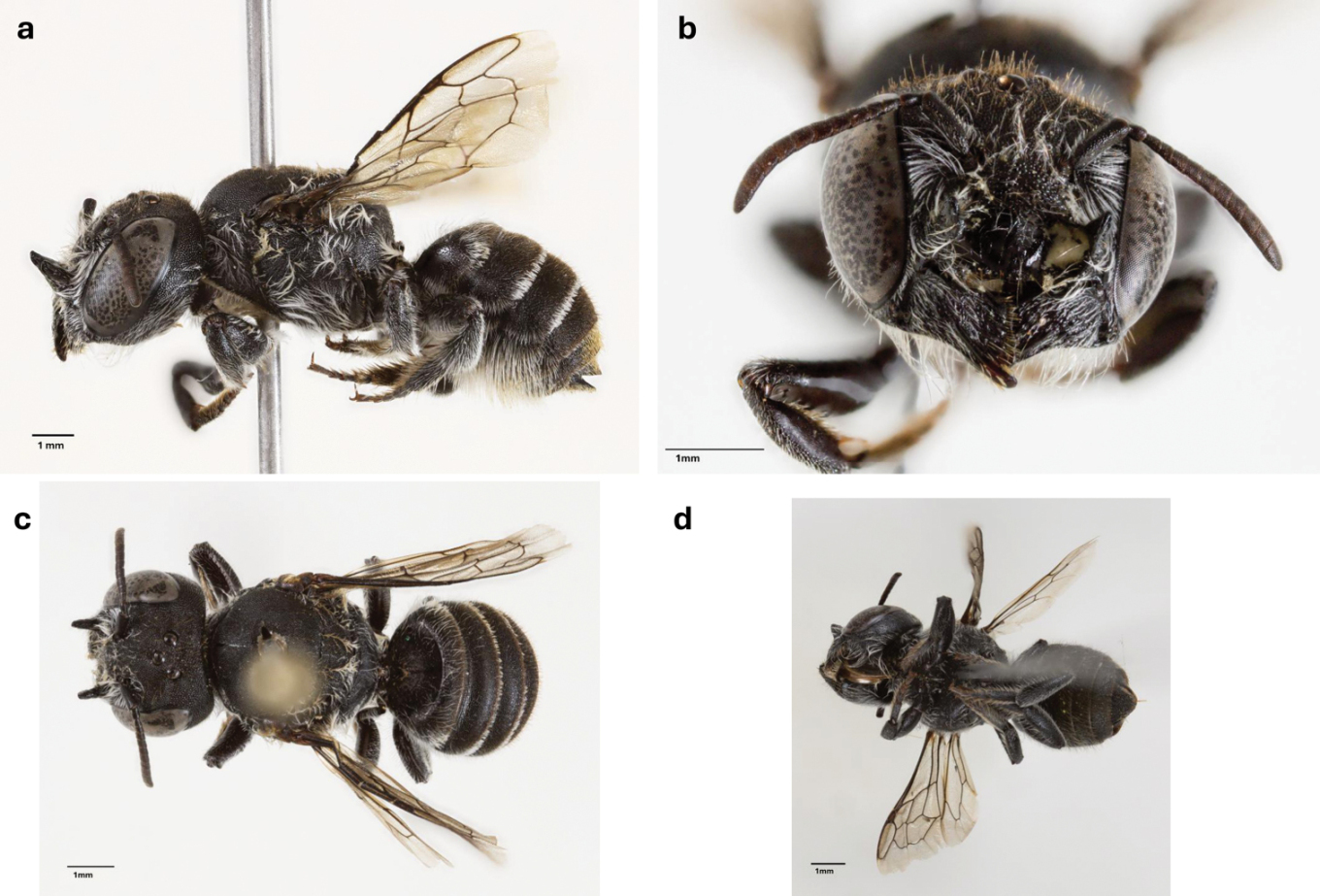
Photo Credit: Curtin University
The discovery was made by Kit Prendergast from Curtin’s School of Molecular and Life Sciences while studying an endangered wildflower native to the region. Prendergast immediately noticed something unusual about the small bee that landed near her.
“The female had these incredibly small horns on her head,” she explained in the university’s publication.
A fan of the hit Netflix series “Lucifer,” Prendergast decided the name was the perfect fit for the bee’s devilish charm.
Scientists in Australia have just discovered a new species of bee, and it’s got horns. Meet Megachile lucifer, a native bee with devil-like spikes on its face, found deep in Western Australia’s Bremer Range.#LuciferBee #ScienceNews #Australia #Biodiversity #Wildlife #Bees… pic.twitter.com/tbv8JdymWN
— BusinessToday Malaysia (@BusinessTodayM1) November 11, 2025
First New Bee in Over 20 Years
“This is the first new species of its bee group in more than two decades, showing how much biodiversity remains undiscovered — even in regions threatened by mining, such as the Goldfields where Lucifer was found,” said Prendergast.
The researcher hopes the discovery will raise awareness about the many unknown species that may exist in these vulnerable habitats.
“Because this bee was found in the same area as the endangered wildflower, both could be at risk from ecosystem disruption and climate change,” she warned.
Devil in the beetails: Australian scientists discover new ‘lucifer’ bee https://t.co/JqR9lXxUQx
— The Straits Times (@straits_times) November 11, 2025
A Warning for Conservation
Prendergast highlighted another issue — many mining companies still fail to record native bee populations, meaning crucial pollinator species could be disappearing unnoticed.
“We risk losing species before we even know they exist,” she stressed.
Nearly all flowering plants depend on wild pollinators, especially bees, for reproduction. However, habitat loss and climate change continue to drive many vital bee species toward extinction.
Why This Discovery Matters
The “Lucifer Bee” may have a devilish name, but its discovery is a heavenly reminder of nature’s complexity — and how much remains to be explored and protected in Australia’s vast ecosystems.
Ask me anything
Explore related questions




