





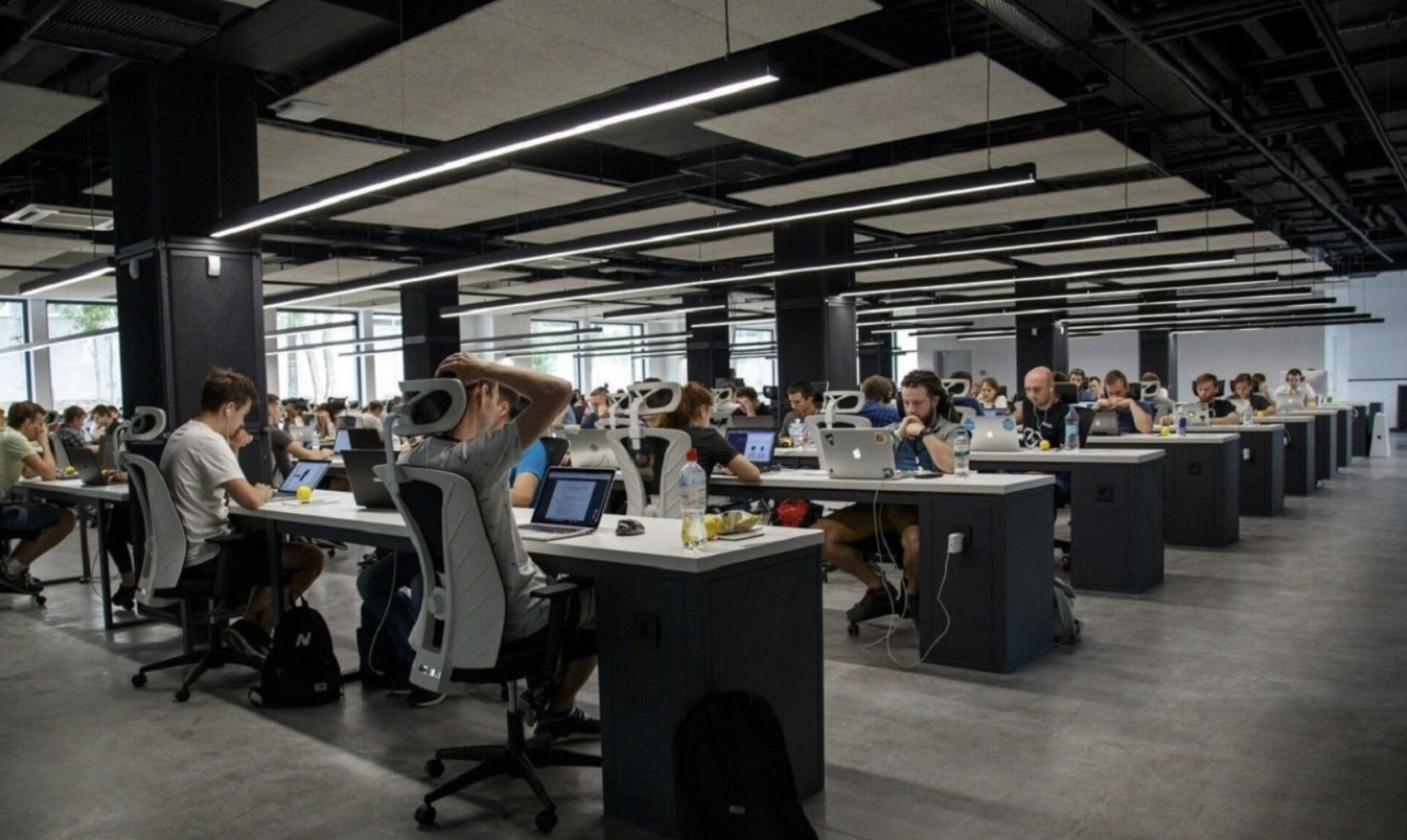
Labor shortages in Greece are intensifying as the job market “tightens” in the post-pandemic era, with businesses increasingly struggling to find qualified personnel. At the 2nd Annual OECD Crete Centre Conference on Population Dynamics, OECD economist Cem Özgüzel presented a study examining skill gaps and mismatches in the Greek labor market.
He explained that the OECD’s work focuses on understanding the root causes of shortages, examining the role of migration, and highlighting policy solutions to better balance labor supply and demand.
The latest findings emphasize the importance of migration as a key lever for boosting employment and filling vacancies at a time when Greece urgently needs new skills and human capital to sustain its growth potential.
According to the study, 71% of businesses in Greece report difficulties finding staff. While slightly below the OECD average, this figure remains consistently high. Labor market tightness has increased sharply since 2020, and the share of migrants in Greece (11%) is below the OECD average (15%). Most migrants have lower educational attainment than native Greeks (26% vs. 42%) and are employed primarily in low-skilled jobs such as agriculture, construction, and services. However, nearly half (45%) are working in positions below their qualifications.
Özgüzel stressed that policy priorities should include better matching of skills to market needs, faster recognition of professional qualifications, and leveraging migrant talent to sustainably address labor shortages.
OECD economist Lisa Andersson noted that migrants can play a crucial role in filling gaps, but migration alone is not a solution. Effective integration policies are needed, as many skilled migrants are forced to work in lower-skilled positions. She recommended more targeted management of migration, mapping each country’s needs, and connecting them with migrants’ countries of origin.
Professor Alessandra Venturini of the University of Turin emphasized that public opinion and media often focus almost exclusively on asylum seekers, who constitute a small share of migration flows. She argued that migration should be addressed not only from a humanitarian perspective but also as a development opportunity, linking social inclusion with labor market needs. She highlighted the importance of language training and understanding the host country’s culture, noting that mere assimilation does not work, while meaningful integration is critical for social cohesion.
Özgüzel also noted that in Greece, 60% of women and 80% of men are employed, highlighting the potential to increase female participation—especially among migrant women—in the workforce. Active engagement could help address shortages caused by demographic challenges.
Closing Remarks
Professor Maite Alguacil, Scientific Advisor at the Spanish Ministry of Inclusion, Social Security, and Migration, referenced Spain’s experience, where 20% of the population is foreign-born. She discussed reforms that legalized thousands of existing migrants and facilitated social integration. Spain, facing low birth rates, is already leveraging migration as a factor for sustainability and social cohesion. Most migrants in Spain come from Latin America and are fully integrated into Spanish society.
Ask me anything
Explore related questions




