Great personalities who don’t know how to go unnoticed know that every move they make is symbolically ready to make history. Therefore, they couldn’t move around the world with neutral vehicles, either because they want to show they didn’t just pass through this world as ordinary mortals, or because they want to highlight their personality and style — more precisely, their personal aesthetic.
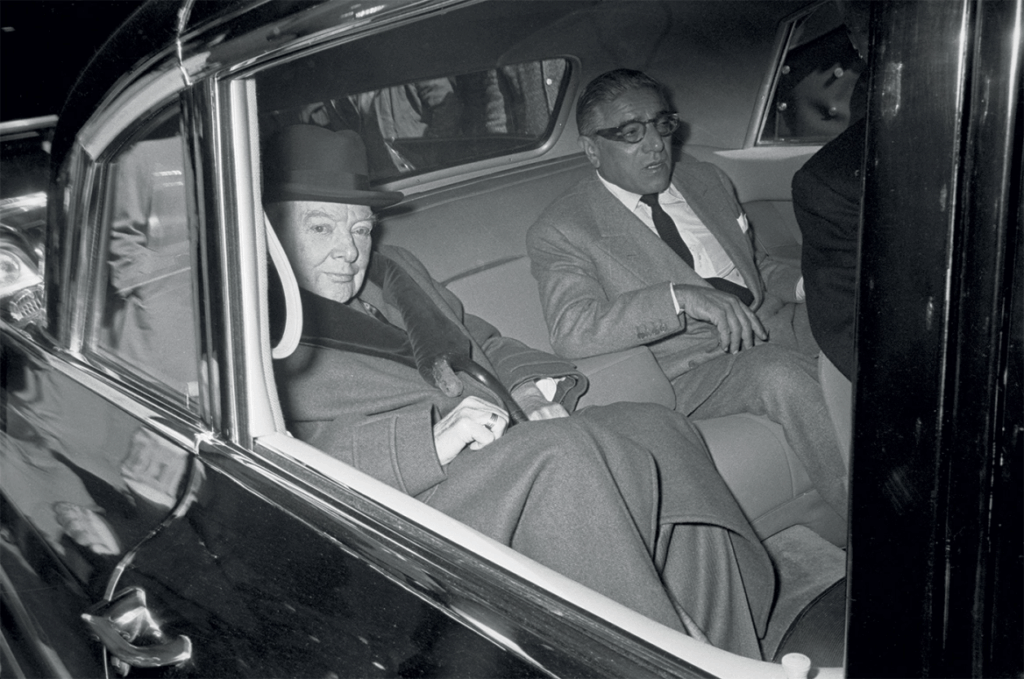
In the case of Aristotle Onassis, whether it was an open Fiat 500 that looked like a toy but from which Churchill would raise his hand for the famous V sign while smoking his cigar, or the gigantic Cadillac whose immense size dominated wherever it appeared, or the very impressive Rolls-Royce, a vehicle ideal for romantic strolls — and possibly seductions — the conclusion is common: cars are not just for transportation or representing a status symbol, but to make history and — why not? — to overturn the standards of aesthetics and technology.
The Cadillac Makes History
The company named after the French explorer Antoine de Cadillac, founded in Detroit, was considered synonymous with American history. The name Cadillac itself evokes the post-war era of unbridled optimism as a quintessentially American symbol alongside Coca-Cola and Western movies.
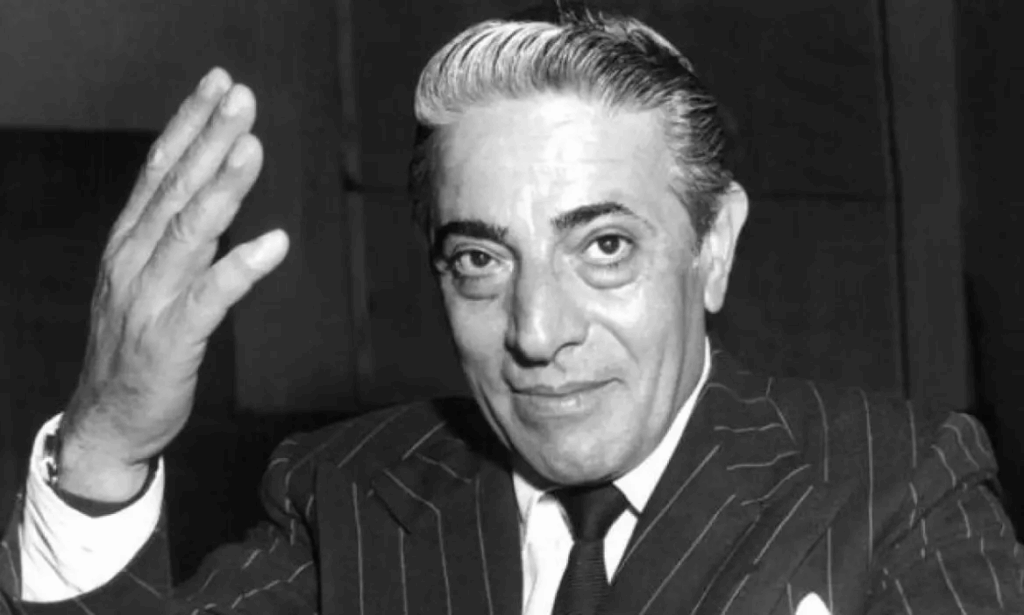
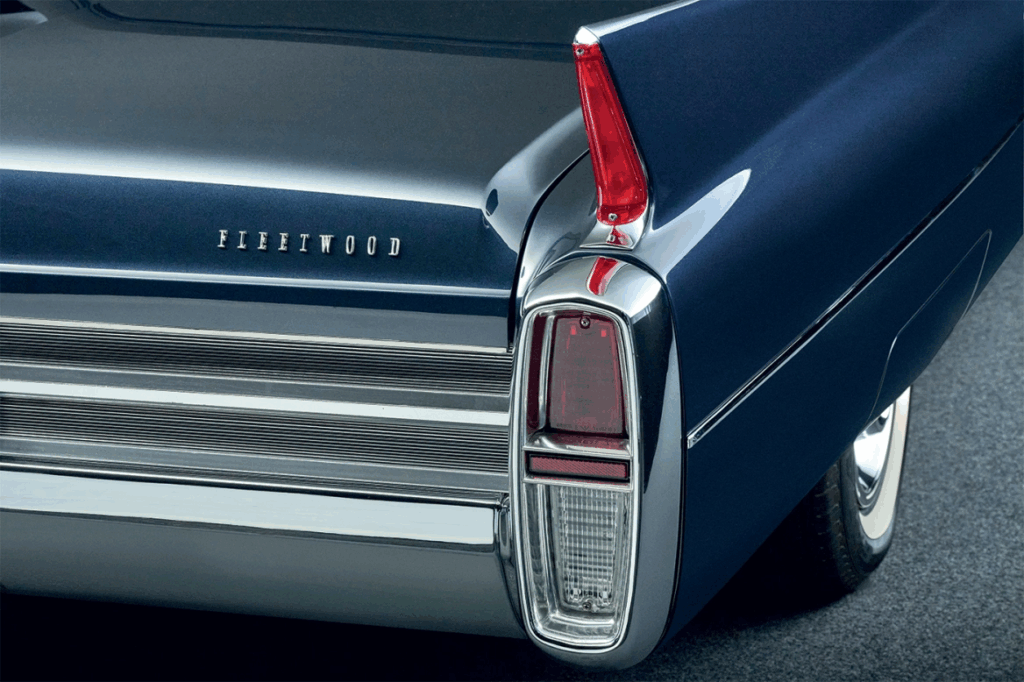
Especially the top models produced by Cadillac from the mid-’50s through the ’60s, with their “space-age” design and unmatched build quality, became synonymous with social prestige. Hence, they are still regarded as sacred today: models like Eldorado, Brougham, De Ville, and Fleetwood.
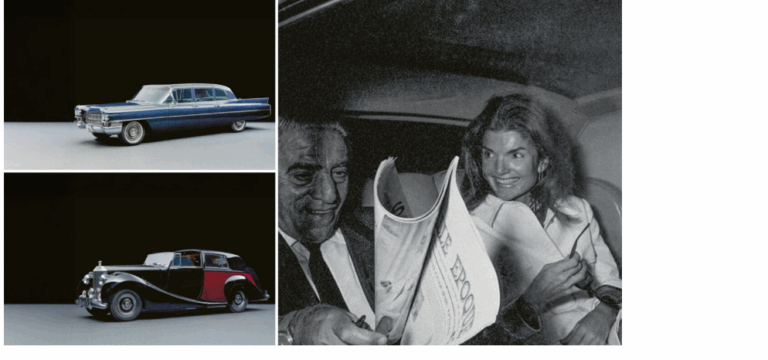
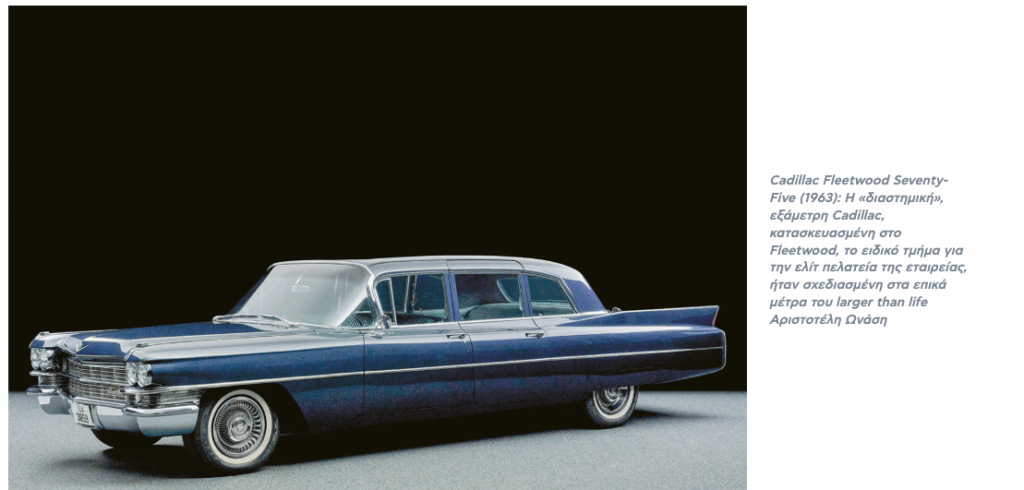
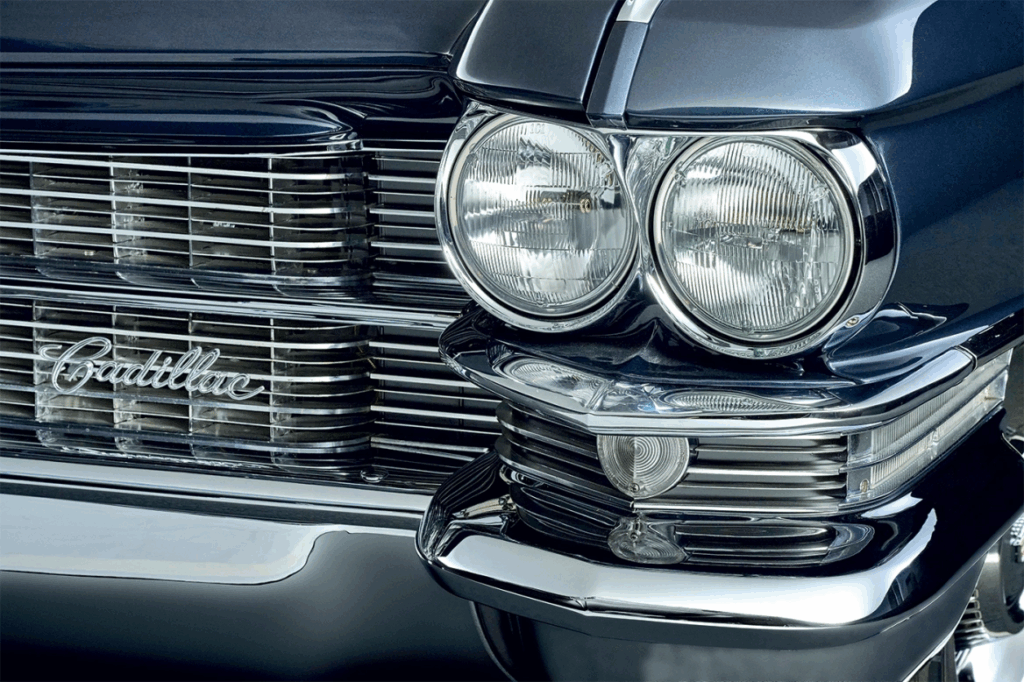
Focusing on the last, specifically the 1963 Cadillac Fleetwood Seventy-Five Limousine, it was considered an amazing example of aesthetics, technology, and performance. Every part was state-of-the-art, with features like the “eye” in the center of the dashboard that detected oncoming vehicles and automatically lowered the headlights to avoid blinding other drivers — in 1963!
The technological superiority likely made the Cadillac even more attractive to Aristotle Onassis, a man always aiming to be at the forefront — after all, he was probably the first shipowner in the world to adopt computers for central management of his fleet and businesses.
From this perspective, the 1963 Fleetwood Limousine, with its meticulous attention to detail and immense length of over 6 meters, was perfectly suited to the larger-than-life personality of Aristotle Onassis. If he wanted to symbolically conquer America, long past the era of white horses and royal carriages, he would do so only with a vehicle like this, with the commanding presence and unmatched glamour of a Cadillac.
This was the main reason why the Greek tycoon chose the top model in Cadillac’s lineup, the Seventy-Five Limousine, made at Fleetwood, Cadillac’s special division for elite clientele. Onassis clearly saw the Cadillac as an extension of his other conquests, like the yacht “Christina” and his suite at the Hotel de Paris in Monte Carlo.
Antonis Papadimitriou, president of the Onassis Foundation, highlights that “Cadillac was by itself a symbol of ambition, confidence, and a reflection of Aristotle Onassis’s tendency to surpass limits.” He adds that “these cars are historic in many ways as they represent a man of his era, a man who left a lasting legacy through the Onassis Foundation.”
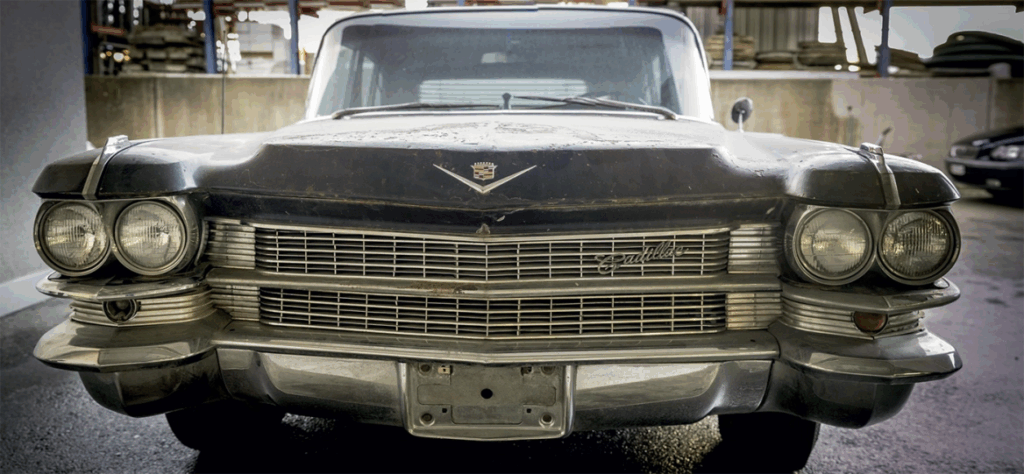
At the same time, these cars are significant chapters in automotive history, representing outstanding achievements in design, engineering, and technology that are very difficult to reproduce today. Especially the top-tier Cadillac ordered by Onassis featured a beautiful lounge interior, with a partition glass between the driver and the VIP passengers.
Besides this limousine, Onassis owned other luxury cars, but he knew this one would definitely catch the attention of Americans — and the paparazzi who rushed to photograph him in the back seat with some of his famous star companions.
The Restoration Journey
The symbolic prestige and history of the Cadillac Seventy-Five made its restoration a complex task once the Onassis Foundation’s representatives found it after decades of neglect. The challenge was fully taken on by Peter Livanos, a close friend of the Foundation and Antonis Papadimitriou, who reportedly covered the astronomical cost of the full restoration.
How the Cadillac was saved and made it to the new Onassis space, the Onassis Mandra in old Attiki, along with the Rolls-Royce, is a story resembling a well-orchestrated thriller. “Firstly, we must remember that Cadillacs like the one Aristotle Onassis owned are not ordinary cars,” says Peter Livanos. “The quality of materials and craftsmanship was superior, even compared to Rolls-Royce or Bentley of that era.”
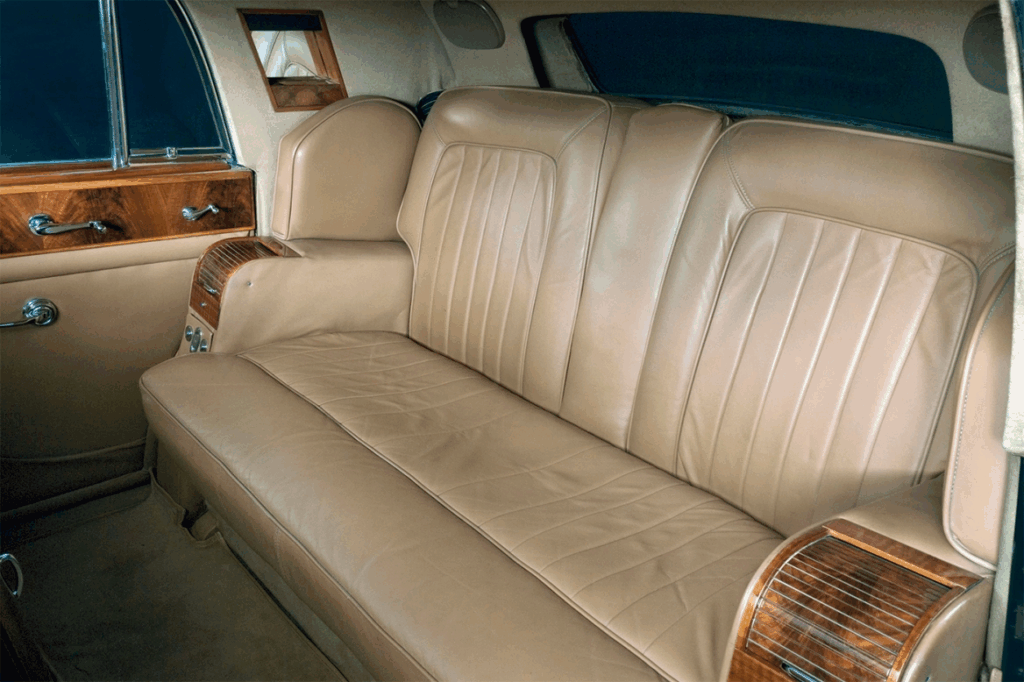
He imagines Onassis using the Cadillac to go to the airport, a high-level meeting, or an official gala, making a stunning sight. This admiration comes from a collector who knows what it meant to own the pinnacle of American automotive industry at that time.
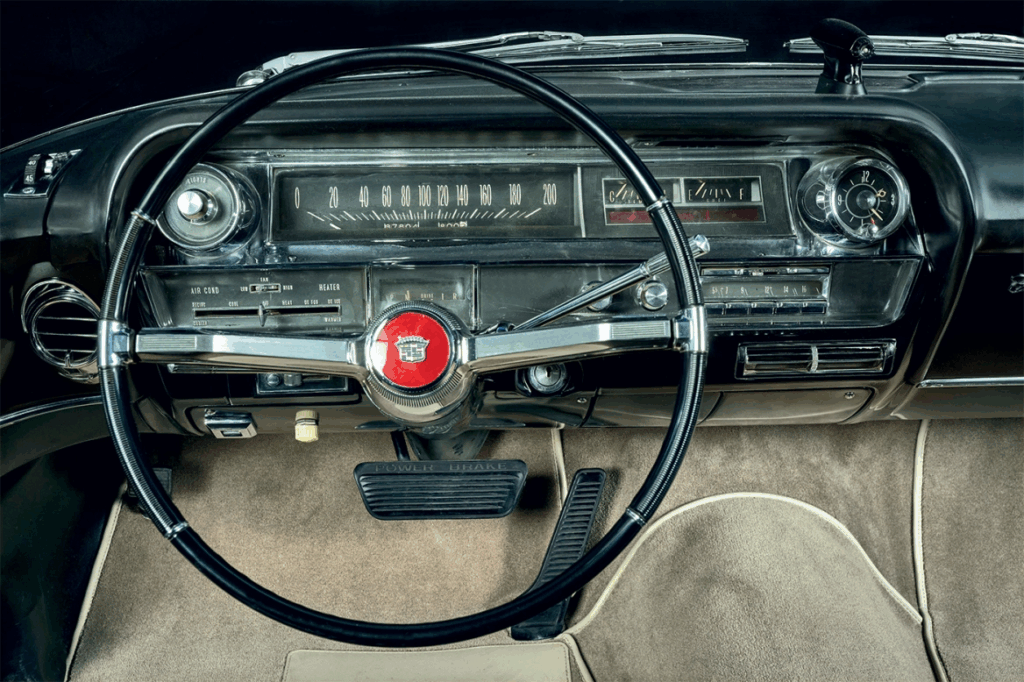
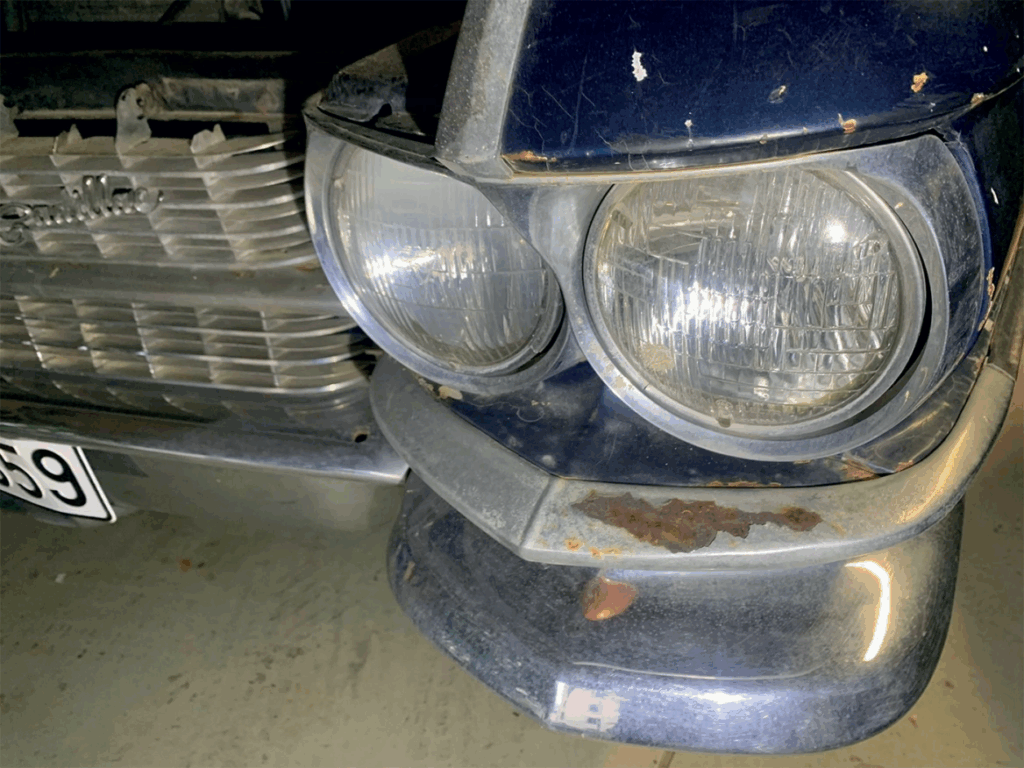
After Onassis’s death in 1975, the car was considered unwanted and obsolete. Its maintenance costs were enormous, so it was set to be scrapped. Fortunately, just before recycling, someone used it for weddings, filming, and similar events. Still, the costs were prohibitive, and even this temporary user abandoned it in a warehouse, where it deteriorated for years.
Peter Livanos found it and transferred it to Switzerland, where his friend, classic car specialist Lukas Hoony, took on the restoration project. Meanwhile, Livanos and Papadimitriou investigated the car’s legal status and discovered it was still owned by Springfield, part of the Onassis Group. They also had to pay 40 years of road taxes, which Livanos covered in full as a tribute to the Onassis Foundation and Aristotle Onassis’s name.
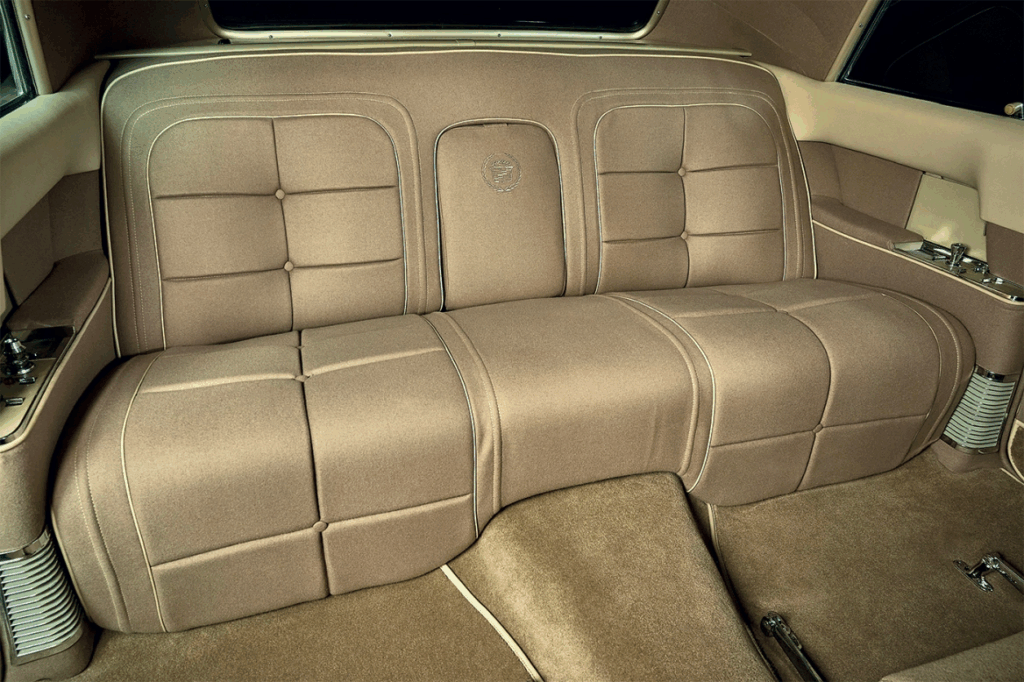
“Nothing was easy during the restoration,” Livanos recalls. “Many parts were no longer in stock, so we had to manufacture many components from scratch. We had to find the original fabric for the interior and recreate it exactly as it was when Onassis sat inside. The body had extensive rust; entire sections had rotted, and the engine and gearbox had to be completely disassembled and rebuilt. In reality, we took the car apart and reassembled it from scratch. That’s how it was saved.”
The Rolls-Royce and Maria Callas
A similar rescue story happened with Onassis’s iconic Rolls-Royce from the 1950s, marking the peak of his early decades of business success and writing a stunning new chapter in his triumphant career.
In the early ’50s, Onassis launched new shipping innovations and was becoming a global magnate. The expansion of his fleet and the opening of new offices in Monte Carlo in 1954 were accompanied by moves of equal grandeur — epitomized by a special order for a 1952 Rolls-Royce Silver Wraith Sedanca De Ville.
Two years later, at age 46, Onassis acquired the super yacht “Christina.” The Rolls-Royce was among the most expensive and luxurious cars then, reserved for aristocrats and the British royal family — although even communist leaders like Marshal Tito enjoyed its rear-seat comfort.
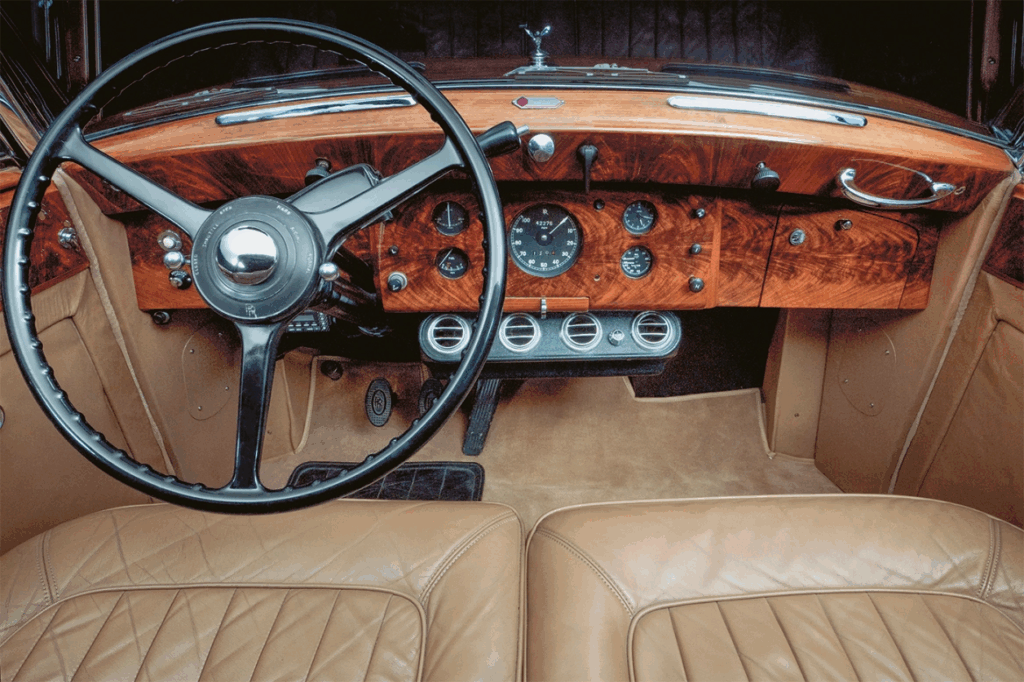
The 1952 Rolls-Royce Silver Wraith, built exactly to Onassis’s wishes by the Parisian coachbuilder Franay, was a limousine for two or three passengers (with two small folding seats). The steering wheel was on the left, intended for central European roads.
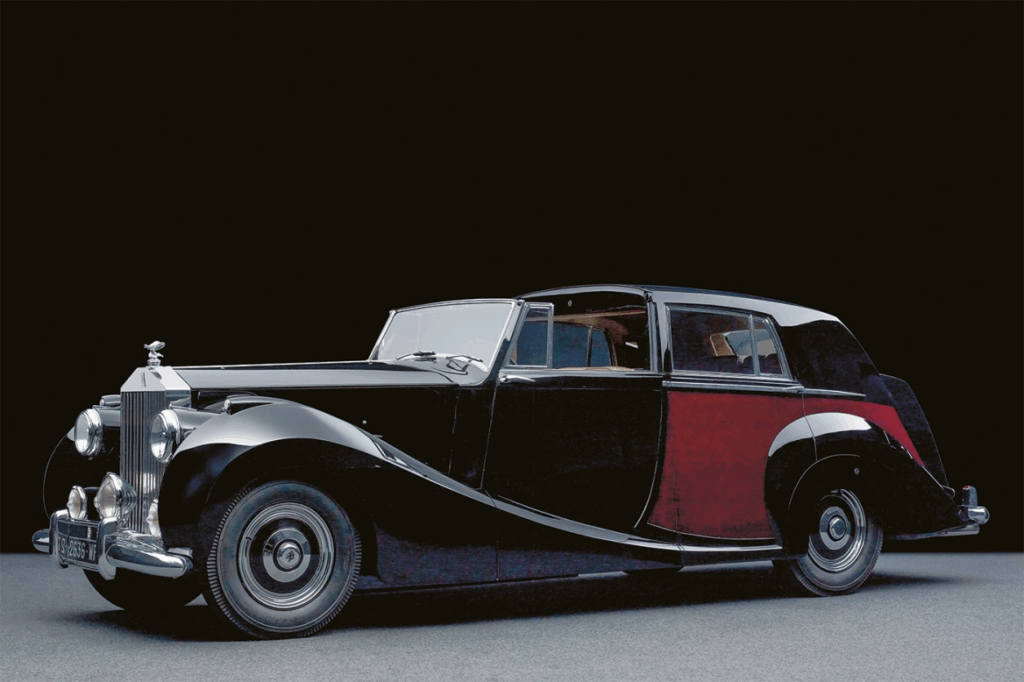
Its dominant feature was the Sedanca De Ville style — the driver exposed to the weather, as in traditional horse-drawn carriages of nobles, with a folding hood for rain. The chauffeur enjoyed fresh air, and only when Onassis deemed necessary did he interact with him in the rear passenger cabin.
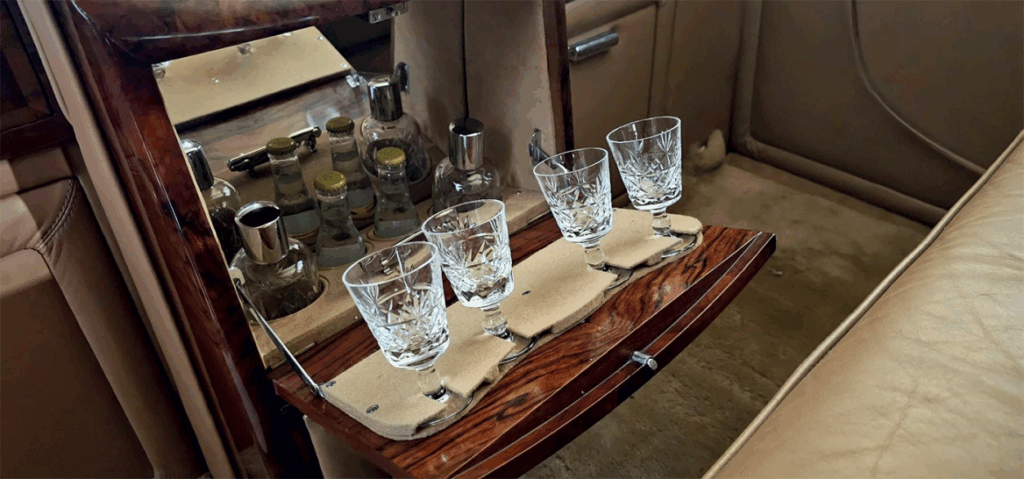
This Rolls-Royce was a moving palace with all the luxury imaginable then: a cocktail bar with crystal glasses and a compartment for a bottle. It had extra comforts like air conditioning.
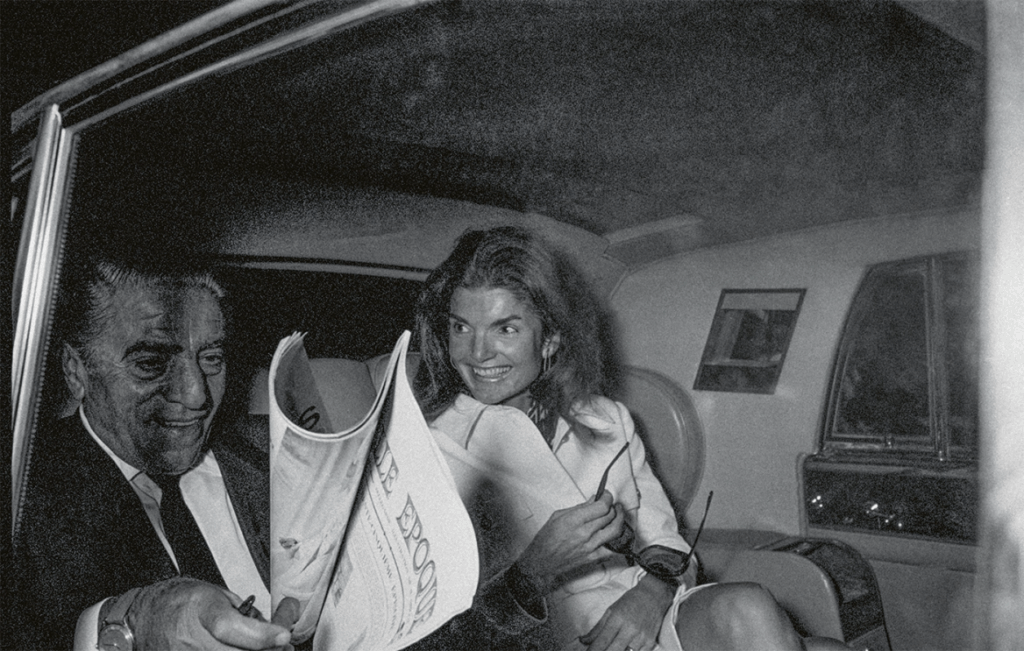
Only such a car could seduce Maria Callas and then — or simultaneously — Jackie Kennedy, as the vehicle had matching glamour and class with the two great divas in Onassis’s life. Both were photographed by paparazzi sitting in the back during their trips to Monte Carlo.
After Onassis’s death in 1975, the Rolls-Royce passed to his only heir, Christina. The car was later entrusted, with a sworn certificate of authenticity, to Nikolaos Papanikolaou, a senior executive of the Onassis Group based in New York.
Ask me anything
Explore related questions