





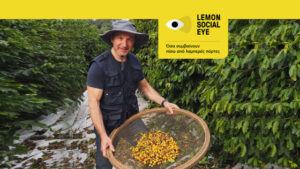
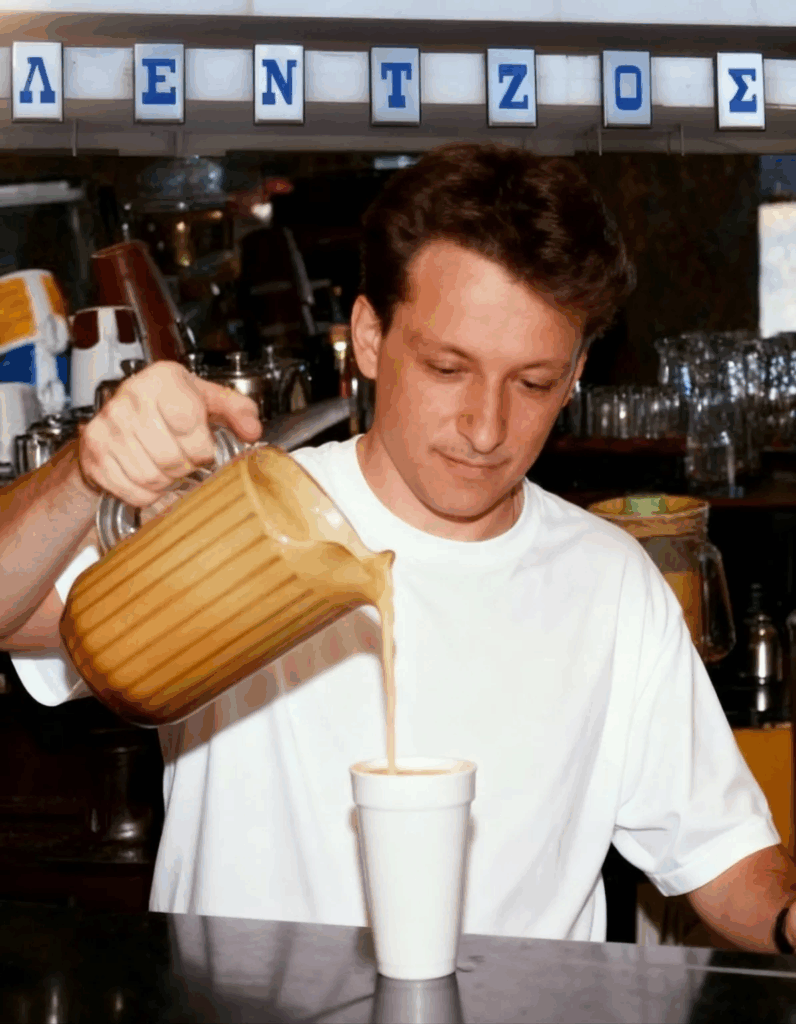
As a student, he worked at Lentzou’s café in Pangrati, a hangout for politicians, intellectuals, and artists, where the frappé recipe was a closely guarded secret. Today, he is considered a coffee expert, showing us how to make our favorite brew even tastier.
Panagiotis Nikas’s professional journey feels almost destined. The coffee guru shares his story, saying:
“My chance encounter with the late Christos Lentzos, owner of the famous Lentzos café-pastry shop in the ’70s and ’80s—a man who mythologized the art of frappé—was the reason I changed my path.”
“As a student, I worked briefly at his business for pocket money. It was an opportunity for me to immerse myself in the world of coffee and mass catering. Since 1987, I have followed the coffee path with the same desire: the desire for perfection through continuous self-improvement.”
Coffee as a Social Ritual
“I belong to a generation that enjoyed not only the coffee itself but also the whole process. I remember, as a first-year high school student, going to cafés in winter to order ‘Nescafé,’ an instant hot coffee. Back then, they served us an empty cup, a coffee packet, two sugar packets, evaporated milk in a stainless steel milk jug, and a teapot with hot water. We put all the ingredients in the cup with a little water, stirred endlessly with a spoon, and talked about teenage worries and romantic adventures. This created a uniquely velvety cream; we added hot water and, as non-smokers, drank the coffee in two sips. I still remember the joy of making the coffee as much as the pleasure of drinking it. It was the process, the company, the conversations, the togetherness. For us, coffee was a daily reference point. We didn’t have other ways to communicate—no landlines either back then. There were the ‘hangouts’ where you’d meet friends and plan the rest of the day.”
“We developed a deep connection with coffee—images of beaches and sunsets with a frappé in hand, waking up in a tent at a free campsite with a shaker coffee to start the day. Endless memories, unique moments.”

Lentzos, Delionis, and an International Career
“I studied computer engineering at South Eastern College and briefly worked in that field alongside my studies. As a top student, I became a teaching assistant and was later accepted for the same position at George Washington University. I never went, though, because coffee won me over.”
“My first entrepreneurial venture was a summer canteen at Agioi Apostoloi, which I ‘launched’ by serving Lentzos’ legendary frappé. In 1991, I took over my first major store for the Delionis chain in Kallithea, and in 1993, the one in Pangrati. The success of managing them led me to develop the chain’s network successfully until 2003.”
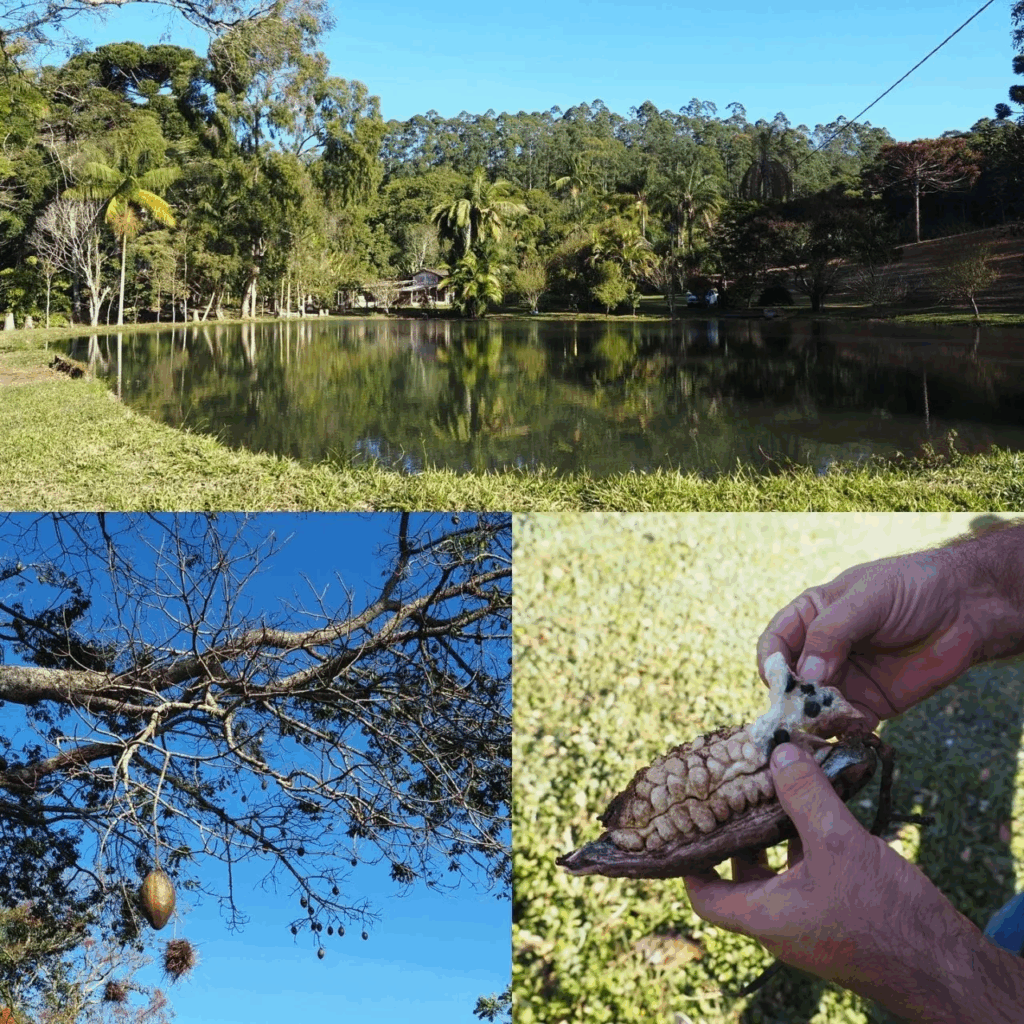
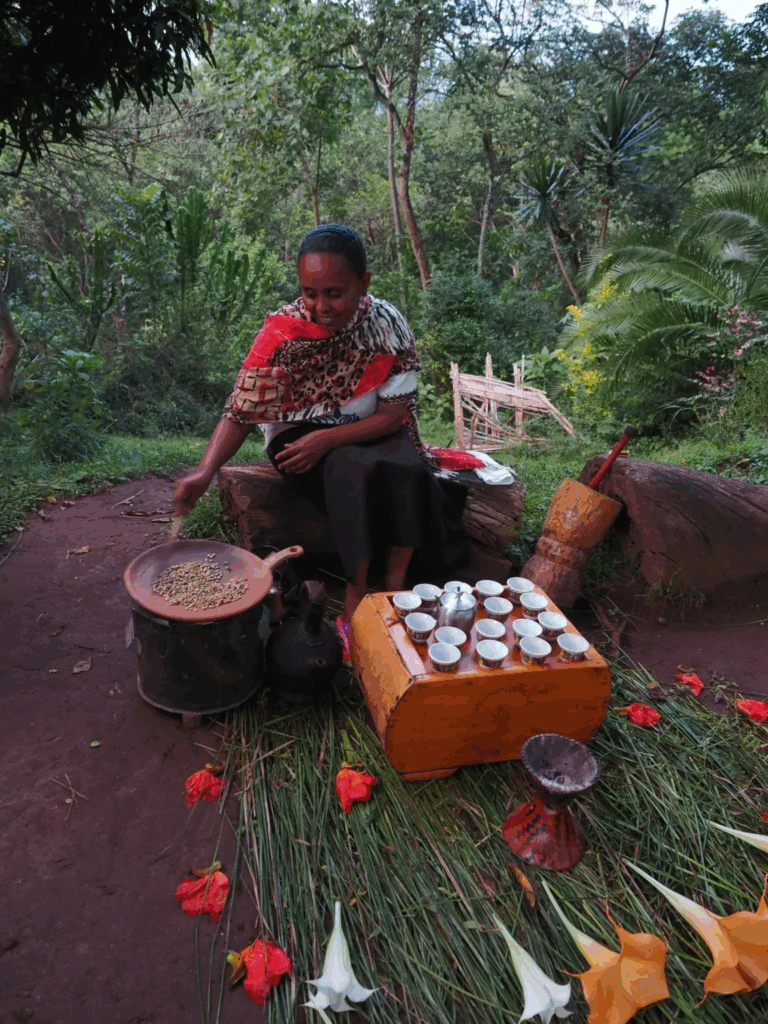
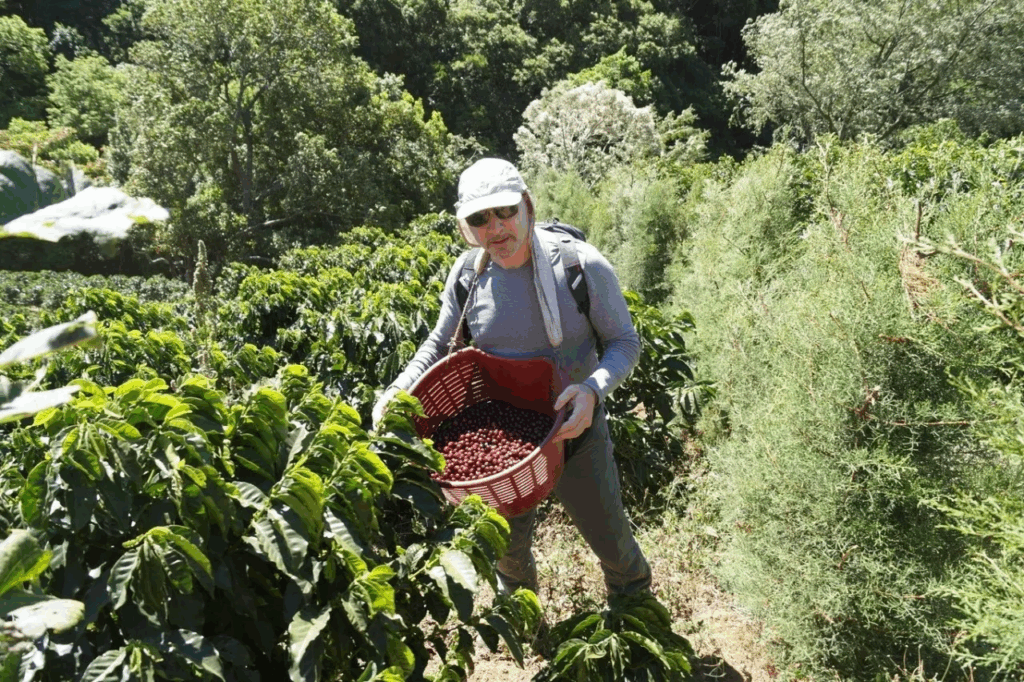
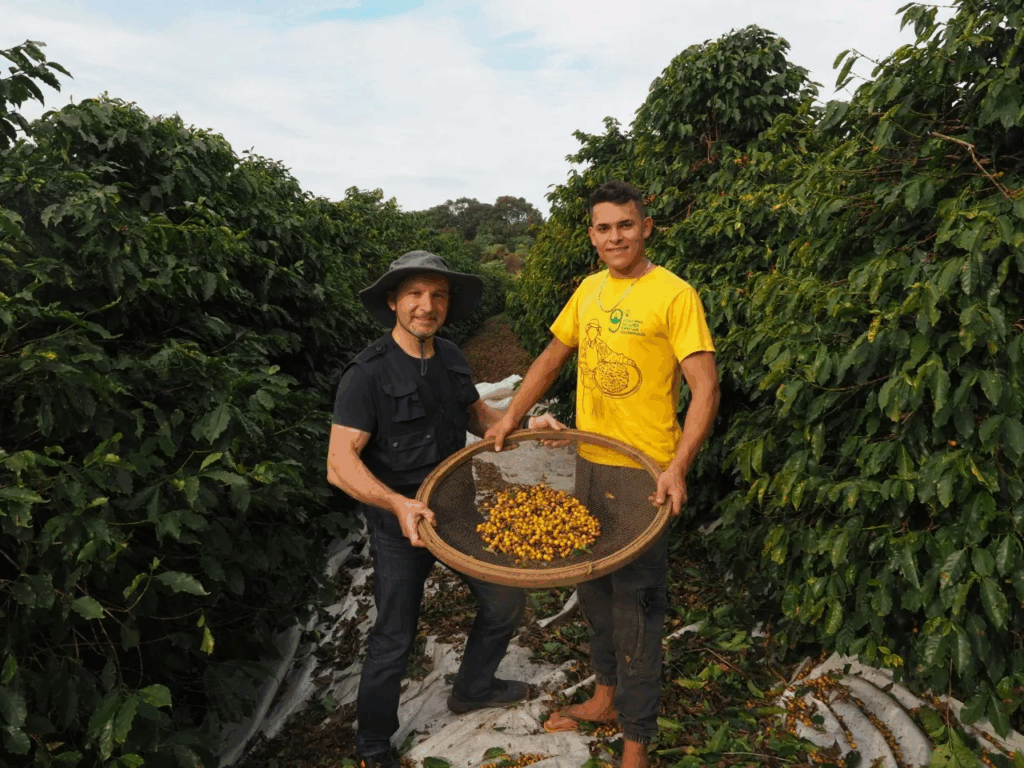
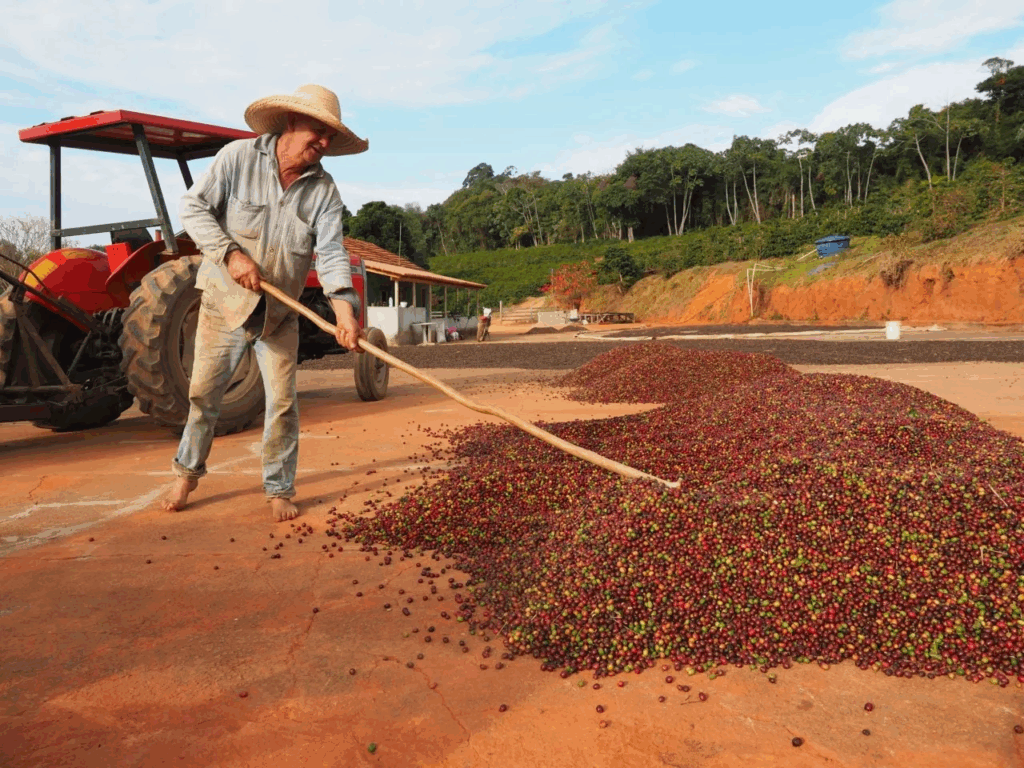
When Panagiotis Nikas’ reputation grew beyond Lentzos and Delionis, he became highly sought after. He gained specialized knowledge by traveling to coffee-producing countries such as Brazil, Ethiopia, and Costa Rica. He took part in the coffee harvesting process and learned secrets about different varieties.
All this knowledge has been passed on in his books and the Barista Academy he founded. He’s also in demand worldwide for seminars, with companies paying handsomely for his expertise. His life motto aligns with a phrase from Mahatma Gandhi:
“I cannot conceive of knowledge without character, science without humanity, wealth without work, pleasure without conscience, trade without ethics, worship without sacrifice.”
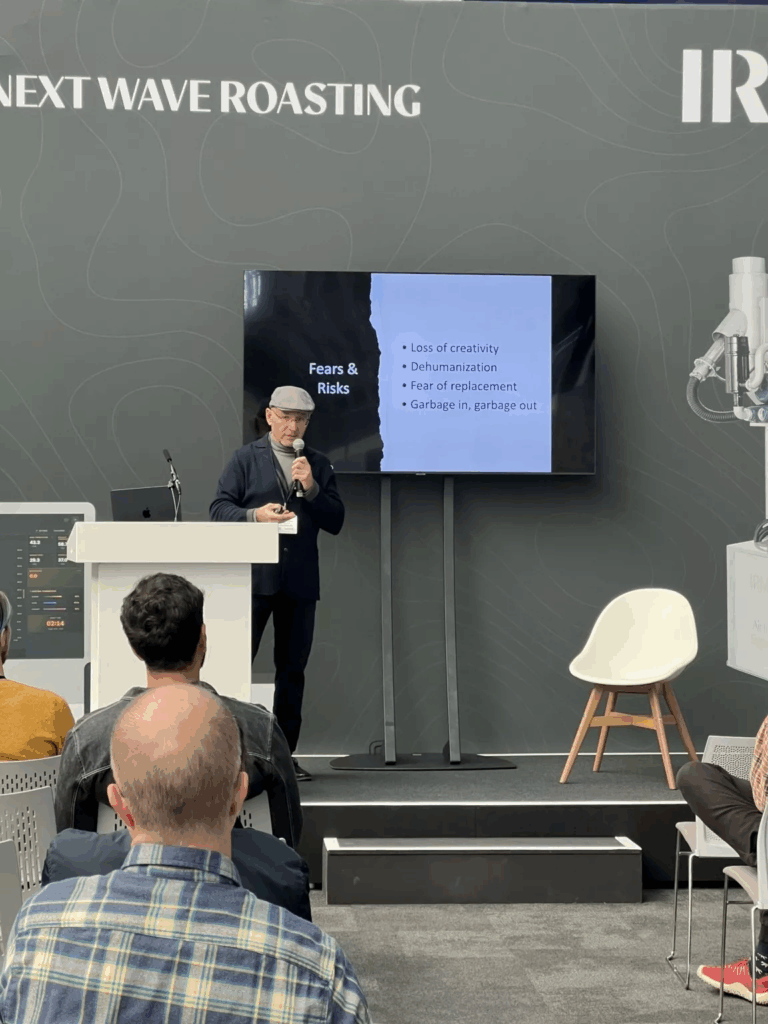
The Coffee Stock Market
Coffee is a drink that functions somewhat like a stock.
“Since 2000, consumers have sought uniqueness, leading to increased demand for rare and specialty coffees. The coffee price, apart from the current value reflected on the New York Stock Exchange, is influenced by the unique processing methods and the soil characteristics of the production region.”
A new era in coffee has begun with fermentation—both aerobic and anaerobic—offering unique flavor profiles previously unseen.
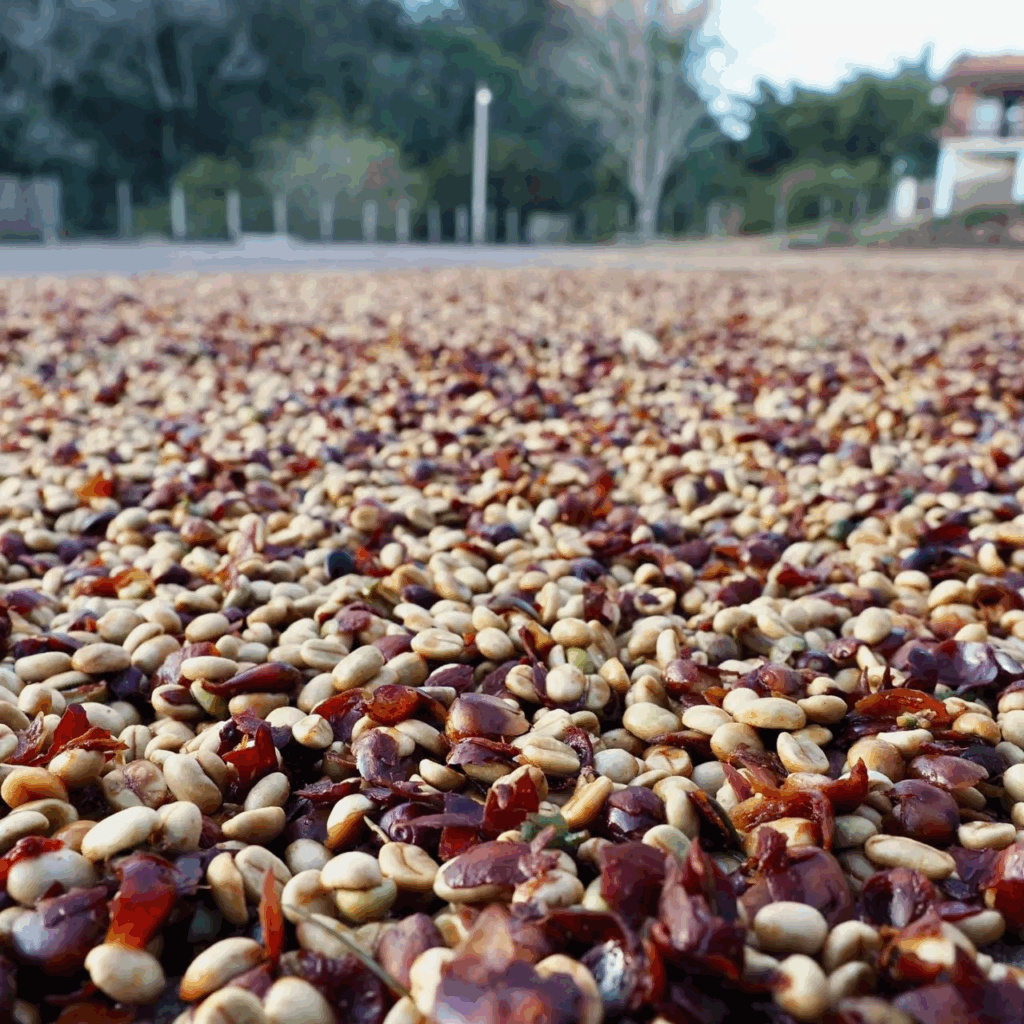
“An extreme form of fermentation occurs in the digestive system of animals. Recently, the most expensive coffee was Kopi Luwak from Indonesia. Workers noticed a small civet cat eating coffee cherries. They found the beans in its droppings and, unable to buy coffee, used the cleaned droppings themselves. The unique flavor quickly gained fame, but animal cruelty concerns limited the craze. A visionary entrepreneur then created a farm in Thailand where elephants fed on grass and coffee fruit. This idea sparked an unexpected success story and a new coffee brand.”
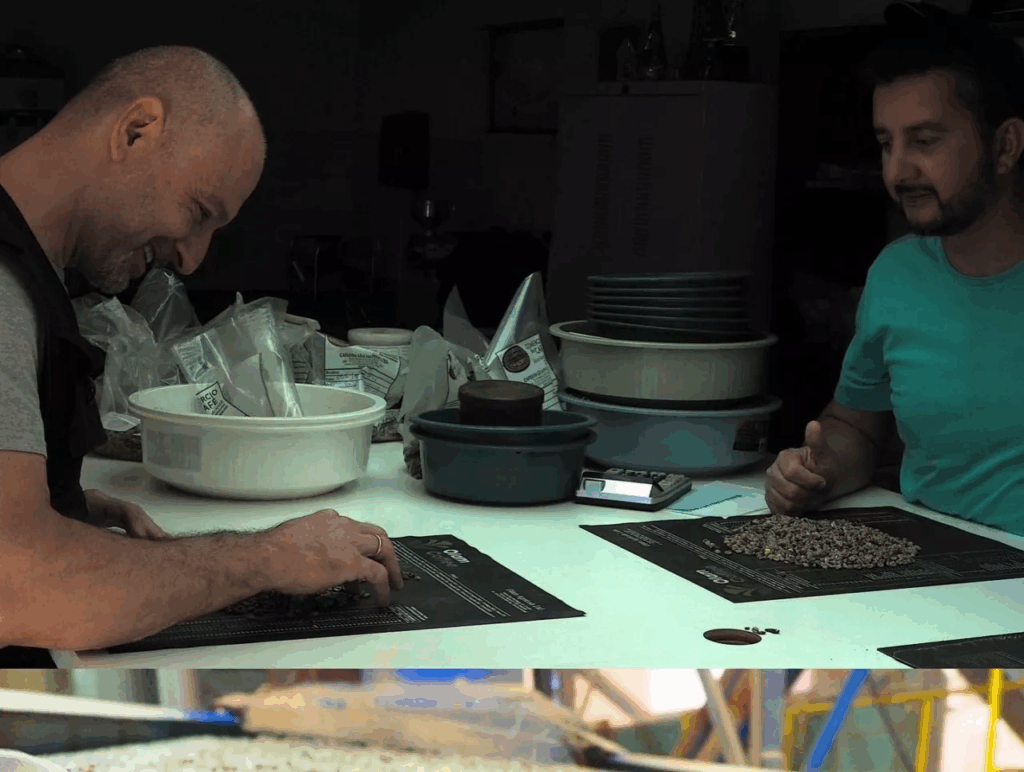
“Black Ivory Coffee is now the world’s most expensive coffee, reaching $1,500 per kilo! Some regions with unique soil and limited production yield very high prices. Examples include Jamaica Blue Mountain, the Geisha variety from Panama, and special processing methods from Costa Rica.”
The Secret of Lentzos’ Coffee
Lentzos’ secret recipe for arguably the tastiest frappé has been discussed many times. Rumors suggested he used egg in it. Panagiotis Nikas reveals the truth:
“The late Lentzos’ idea was to prepare frappé in bulk because that was the only product they sold at the time. He thought that using a blender would create a unique foam. He studied the proportions carefully, always using the same amount, unlike others who used spoons. Besides consistency and speed, blending gave the cream a different texture compared to the traditional shaker method. This creamy texture and the ‘ground coffee’ he used in medium size created the legend.”
Ask me anything
Explore related questions




