





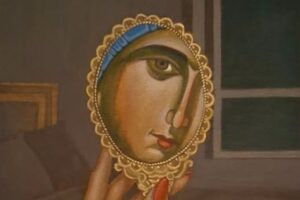
An exhibition that opened in Paphos and, in less than 24 hours, turned into a socio-political incident ended up closing by decision of the gallery itself.
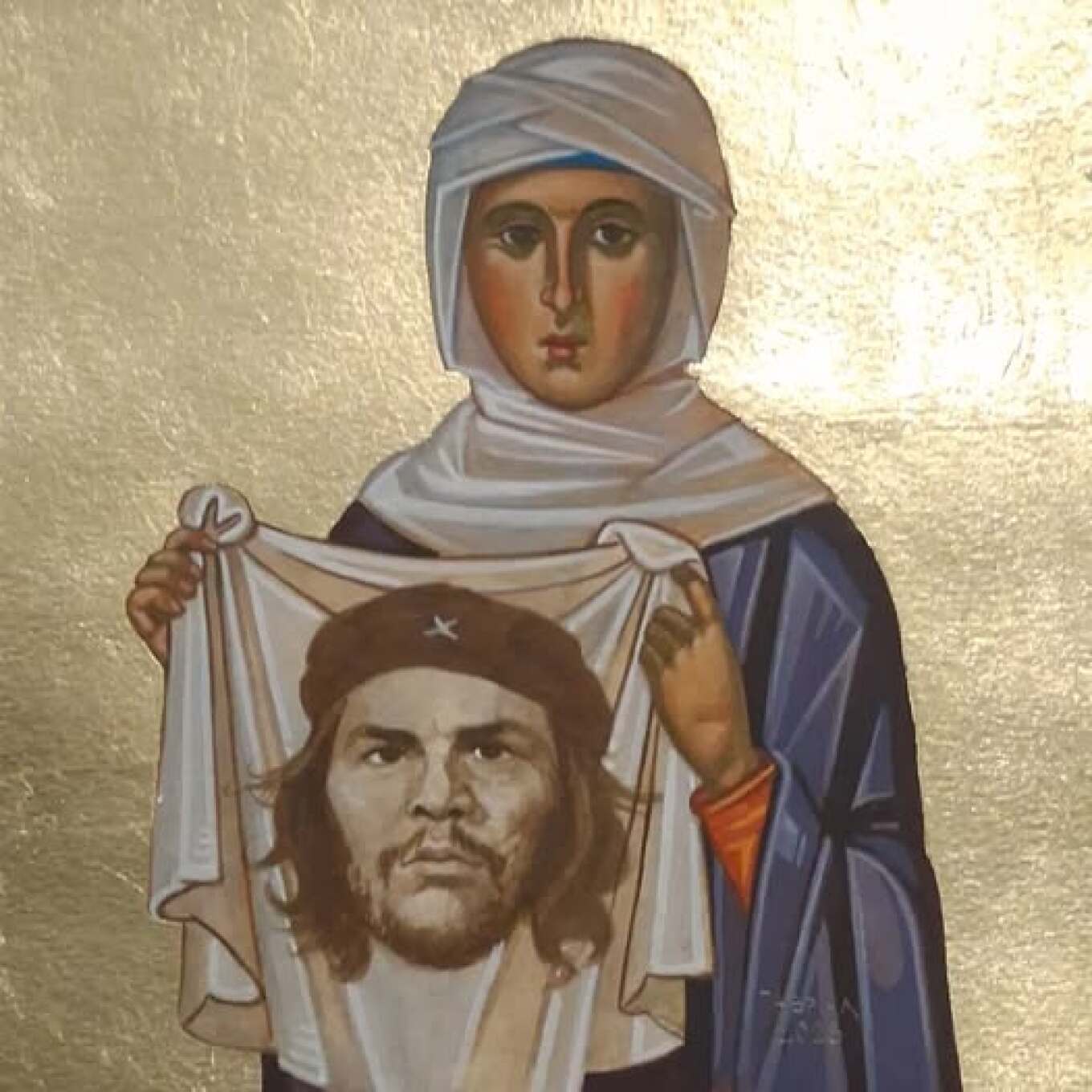
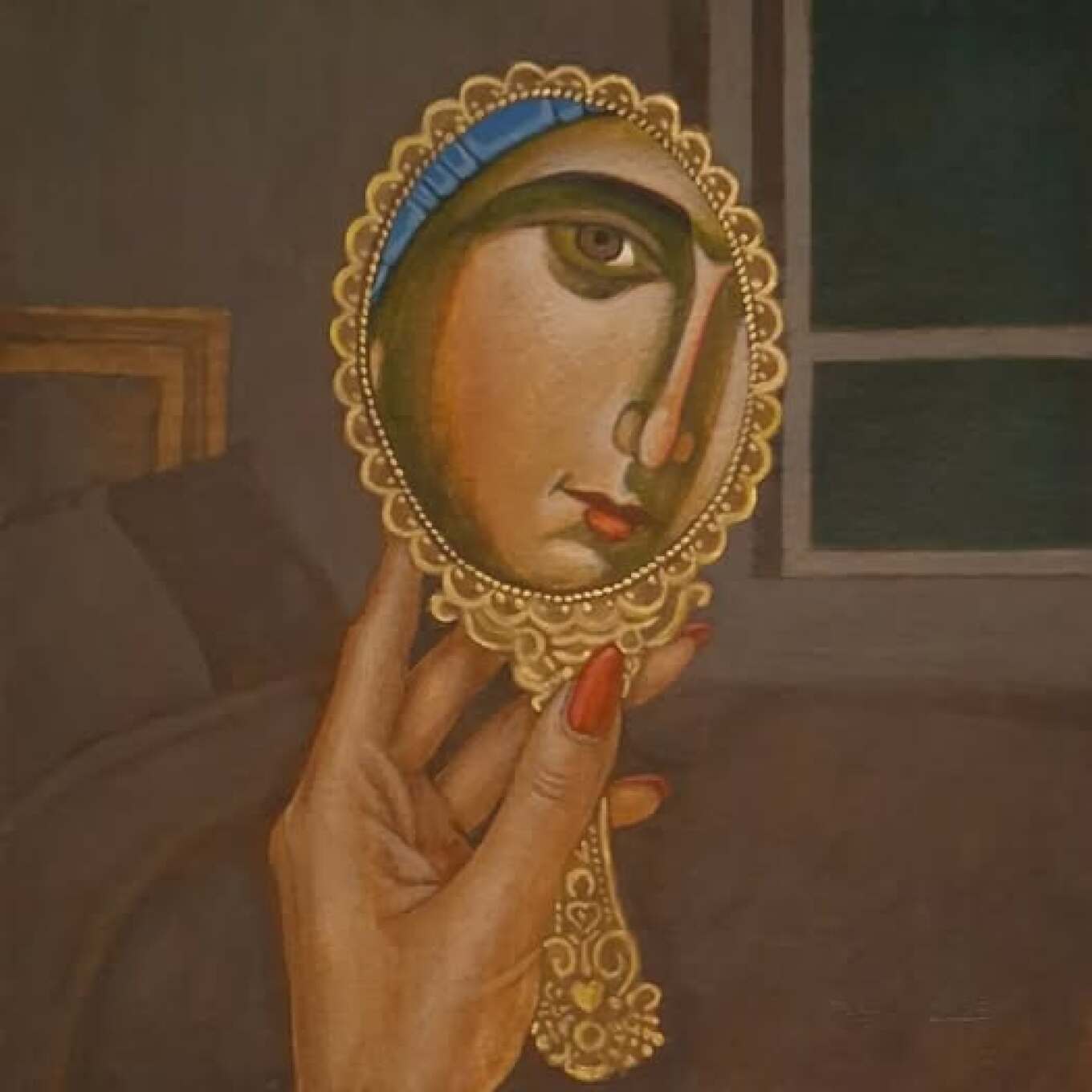
Blue Iris announced the cancellation of the visual arts exhibition by painter Giorgos Gavriil, titled “Anti-System Art”, following intense reactions provoked by works depicting Christ, the Virgin Mary, and symbols of the Orthodox faith.
From opening to cancellation
The exhibition was inaugurated on Saturday evening in Paphos and immediately triggered a wave of criticism, with references to the “desecration” of sacred figures and symbols. On Sunday afternoon, the gallery announced that it was proceeding with the closure of the exhibition, citing the “opposition of a segment of society” to the works of Giorgos Gavriil.
In its statement, Blue Iris Gallery maintains that there was no intention to offend or show disrespect toward religion and that its aim is to promote art and culture, noting that it does not wish to become a “conduit for further unrest.”
Reactions
The case quickly took on the characteristics of a clash over the boundary between artistic freedom and offense to religious sentiment. The deputy president of DISY, Efthymios Diplaros, spoke of “blatant blasphemy” through public interventions and called for an institutional response, while from ELAM, the party’s spokesperson Marios Pelekanos called for the “application of the law,” with the party announcing it would bring the issue back to Parliament.
A history of provocation
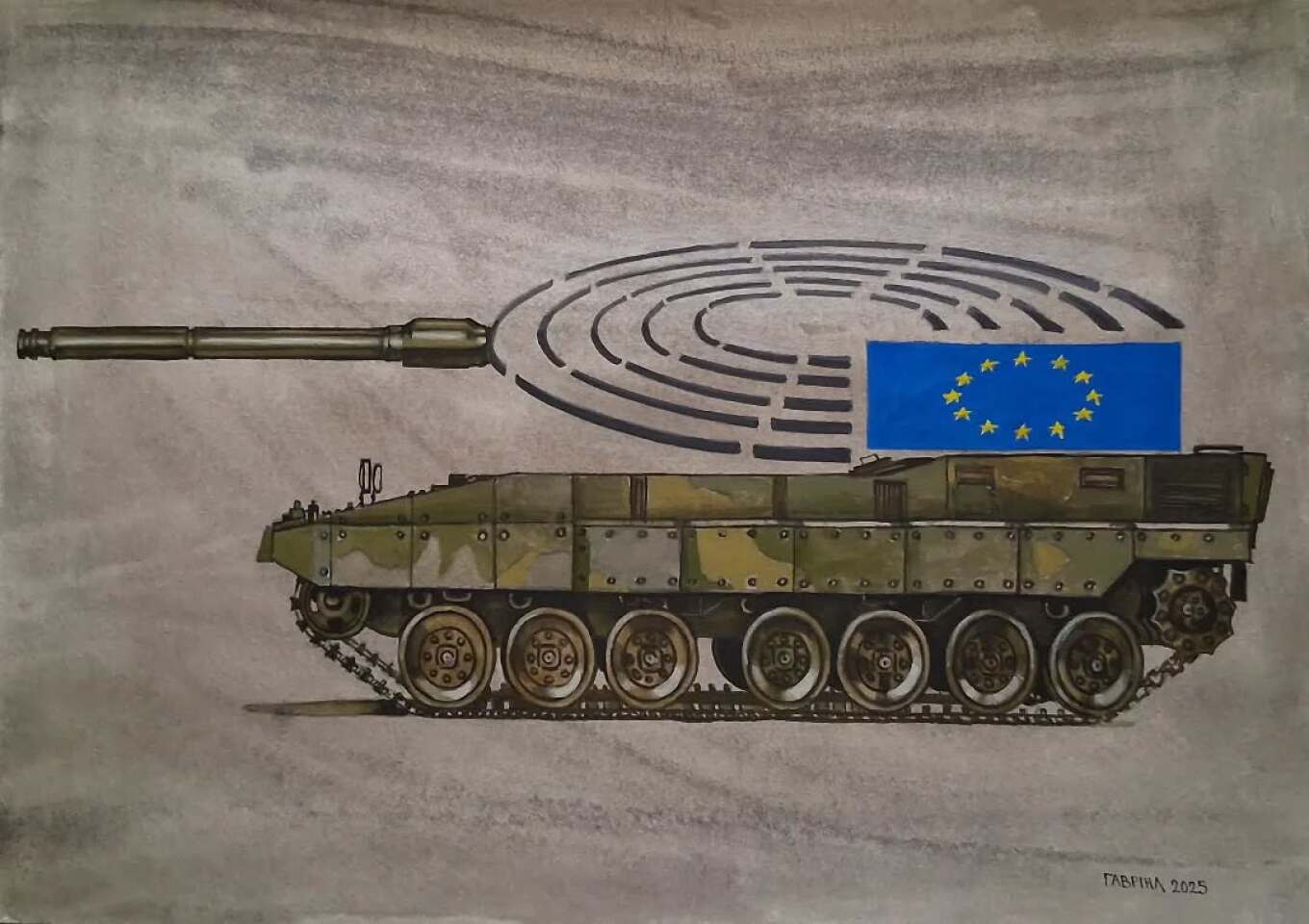
Giorgos Gavriil has in recent years again found himself at the center of criticism for works that use religious iconography in a political context, with the most well-known being depictions of Christ in roles and environments drawn from everyday life and social conflict, which had divided public opinion.
In the past, the controversy also took on institutional dimensions, as proceedings were initiated against him in his capacity as an educator, with Gavriil himself publicly claiming that he was being targeted for his left-wing “political beliefs.” In September 2021, there was government intervention to suspend the disciplinary proceedings initiated by the Ministry of Education against him.
He himself describes part of his work as political and “anti-systemic,” something reflected even in the titles of his exhibitions. In the public debate that has been ongoing since 2020, his supporters from the visual arts community explicitly place him within the tradition of “politicized art” and speak of issues of freedom of expression.
In his biography, as presented in cultural announcements and features, it is noted that he studied at the Surikov Academy of Fine Arts in Moscow and worked for many years in secondary education, rising to positions of responsibility (high school principal), alongside his continuous artistic presence.
Ask me anything
Explore related questions




