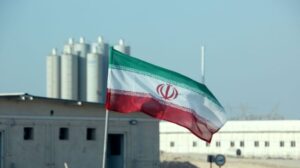
Most of Iran‘s highly enriched uranium is still inside the country despite recent military operations against its nuclear facilities, International Atomic Energy Agency (IAEA) Director General Rafael Grossi said in an interview with Russia‘s RIA Novosti.
Grossi stressed that the IAEA faces a serious shortage of reliable information, noting that from the perspective of nuclear non-proliferation, this situation is particularly worrying. He said that even in the event that Iran’s nuclear facilities have been severely damaged, there is a clear understanding that most of the highly enriched uranium Tehran possesses remains within the country, a fact that is considered extremely critical for monitoring and controlling nuclear activity.
At the same time, the International Atomic Energy Agency ruled out the possibility of Iran refusing to conduct expanded inspections of its nuclear facilities, according to information made public on December 20, noting that continued inspections are a key pillar of the international non-proliferation regime.
Grossi’s statements contradict earlier assessments by the Pentagon, which had argued that the US military operation had led to the complete destruction of Iran’s nuclear facilities and a significant setback in the country’s capabilities in this area. In the same vein, Donald Trump had said that it would take years for Iran to be able to restart its nuclear program after the recent US strikes.
In contrast, Iran’s ambassador to Russia, Kazem Jalali, said the bombings of civilian nuclear facilities caused only limited damage, stressing that Tehran intends to continue developing its peaceful nuclear program.
Ask me anything
Explore related questions