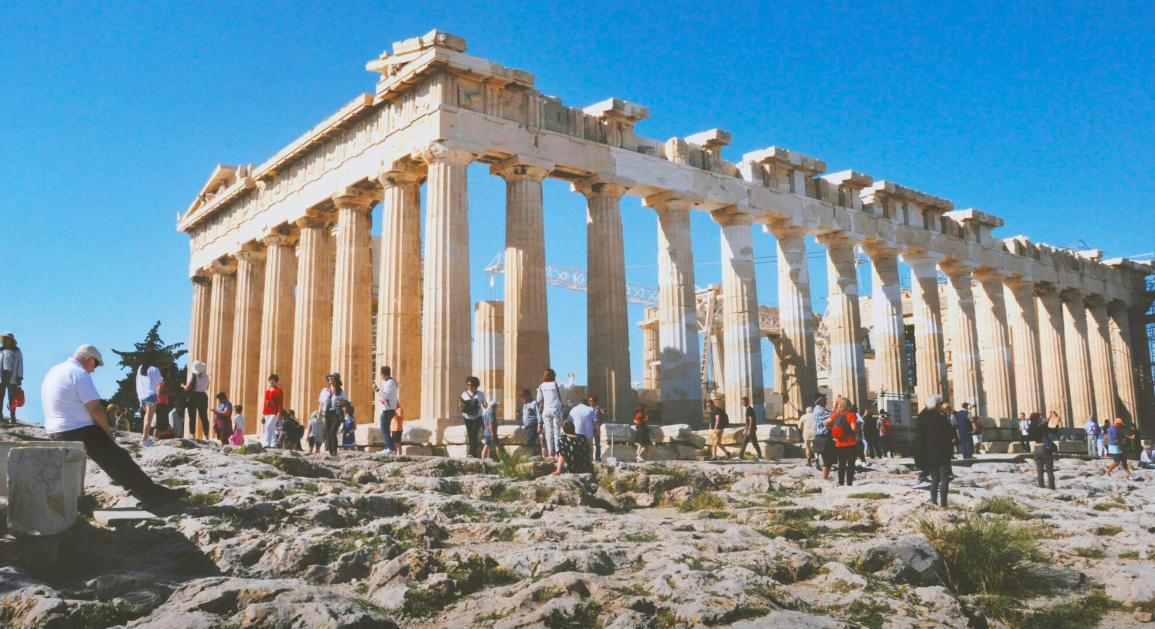
After the successive records achieved by Greek tourism in recent years—boosting the national economy and employment—the sector finds itself at a critical crossroads in 2026, facing challenges both domestically and internationally.
At this stage, it is too early to make firm predictions. However, within Greece’s tourism industry, there is a sense of cautious optimism regarding the sector’s trajectory.

A key domestic priority is ensuring social stability during the final summer before the national elections. A smooth tourism season requires maintaining Greece’s image as a safe destination in the eyes of international visitors. Positively, barring unforeseen developments, there will be no repeat of the negative publicity that affected Santorini—and, by extension, other Cycladic islands—earlier this year due to intense seismic activity in the region. On the other hand, procedures for implementing projects in popular tourist destinations must be accelerated, particularly in high-traffic areas, for the benefit of both residents and visitors.

Factors such as water shortages in certain destinations and delays in infrastructure projects to address the issue may create localized difficulties during peak season. Necessary large-scale or smaller projects could be launched using funds collected through the Climate Crisis Resilience Fee, or by timely securing alternative funding sources. This requires the activation of the central government through targeted actions, as well as close cooperation between municipalities and regional authorities.

Among the positive indicators for the upcoming tourism year are the encouraging signals from foreign tour operators and airlines, which appear to be increasing their flight capacity to Greece. Prospects are especially favorable from the United States, as air connectivity with Greece is expected to remain strong. In addition, trends are positive for Athens and Thessaloniki, while interest remains high in new hotel investments in both urban centers and the regions by Greek and international business groups. Internationally, however, the geopolitical and economic landscape remains fluid, affecting key feeder markets for Greek tourism. Any potential negative developments must be closely monitored by tourism leadership and industry stakeholders, with swift responses to ensure that the opportunity for another growth cycle is not lost.

Travel Trends for 2026: The Year Travel Levels Up
According to the Travel Trends 2026 report by Amadeus, conducted in collaboration with Globetrender, 2026 is emerging as the most “futuristic” year of the decade. The report depicts a world where technology, culture, and the human need for experiences coexist at remarkable speed. Travel is moving away from traditional norms and becoming more personal—and above all, more tailored to the traveler’s needs. In 2026, it’s not just about new destinations, but new ways of understanding the world.

Precision Direct Connections: When Distances Truly Shrink
2026 ushers in a new era of flexibility thanks to long-range jets such as the Airbus A321XLR. With greater range and lower costs, they enable direct flights between cities that until recently had no connection at all.
Examples of this new era include IndiGo’s nonstop India–Athens flight, Air Canada’s first-ever Montreal–Mallorca route, Iberia deploying narrow-body aircraft on 10% of its long-haul network, and Qantas’ Project Sunrise for direct Sydney–London and Sydney–New York flights. Long-haul travel increasingly resembles a “short” getaway. The world becomes more accessible, and lesser-known or more remote urban centers gain new momentum.
Pop Culting: When Pop Culture Becomes a Travel Magnet
Travelers in 2026 are inspired not only by destinations but by stories. The cultural frenzy surrounding TV series, films, and iconic characters is becoming a major driver of tourism.
From the Bridgerton phenomenon to Korea’s devoted fandoms, travelers seek experiences that allow them to “live inside the universe” they love. Seoul is already setting an example, linking cinematic symbols with activities, flavors, workshops, and themed tours.

The same applies to mega-events. Flight searches for San Diego Comic-Con are rising sharply, while destinations such as the UK are preparing themed parks based on major franchises. Travel becomes a form of participation, not just observation.
Pick ’n’ Stays: The New Era of Bespoke Hospitality
Hospitality is entering a phase of total personalization. As booking systems evolve, travelers can choose every detail of their room—from a Pilates reformer and soundproofing for remote work to virtual reality spaces that turn the room into a private cinema. Artificial intelligence is making such choices the norm. The era of vague categories like “standard” and “premium” is coming to an end. In 2026, the room becomes a product designed around the traveler, not the hotel’s logic.
Innovation Tourism: Traveling to See “Tomorrow” Today
According to Amadeus, the most disruptive trend of 2026 is the rise of innovation tourism—the choice of destinations because they offer a glimpse into the future.
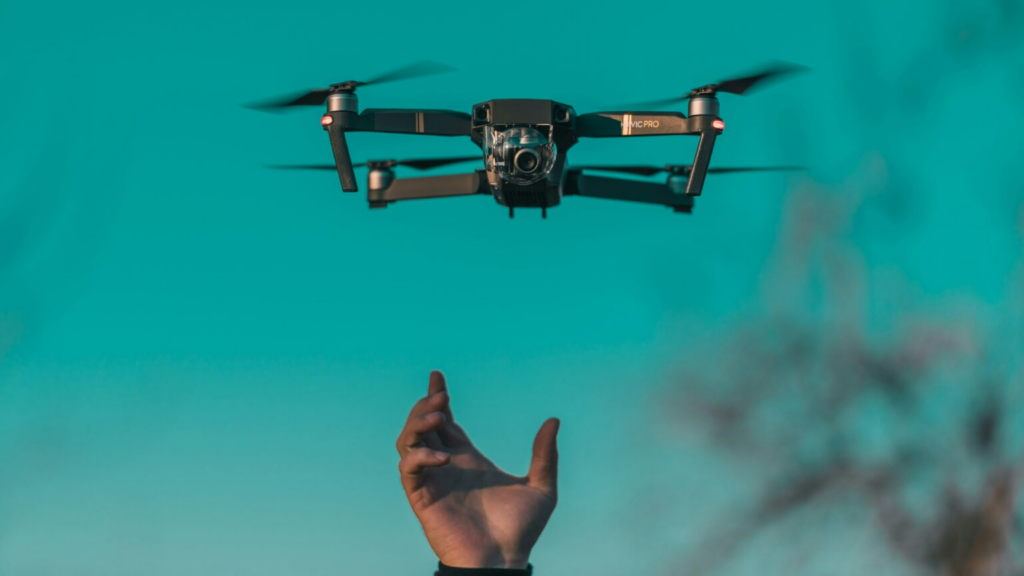
Cities like Shenzhen are becoming magnets for those who want to experience technologies that will take longer to reach elsewhere: robots transporting luggage, palm-based ticketing, holographic displays, food-delivery drones. In the US and the UK, autonomous vehicles are multiplying, paving the way for driverless transport. At the same time, AI-powered accessories are evolving into real-time translation tools—even between humans and animals, according to relevant studies. Innovation tourism doesn’t promise images, but experiences that don’t yet exist elsewhere.
The Economy of Four-Legged Travelers: When Travel Becomes Truly Pet-Friendly
2026 brings a shift. Pets no longer simply “accompany” their owners—they are treated with full respect and specialized services. Amadeus notes that pet travel is increasing rapidly, while the global pet industry is reaching new value thresholds. From pet-friendly trains on the China Railway Express to ENAC’s new policy allowing large dogs in aircraft cabins, animal travel is being redefined. Meanwhile, SkyePets is launching long-haul flights with pets in the cabin, and AKA Hotels are integrating small pets into their loyalty programs.
2026 is shaping a travel environment that recognizes four-legged companions as true family members.
Travel Mixology: Crafting a Trip Like a Perfect Cocktail
Travel research and booking are changing dramatically. Travelers combine tools, platforms, and AI the way a mixologist blends ingredients—with precision, selectivity, and a personal touch. A new type of traveler is emerging, seeking multi-layered planning. Large language models provide initial inspiration, while platforms like Reddit and YouTube add the human element. Then, tools such as Google Flight Deals or Expedia’s Trip Matching turn images and “vibes” into complete travel plans. In 2026, inspiration, AI, and personal judgment form a unified ecosystem in which the traveler becomes the creator of their own journey.
Ask me anything
Explore related questions