The period following the “12-day war” last June did not become a phase of reconstruction for Tehran. Instead, it evolved into one of continuous attrition.
This is the central issue, despite the significant external pressures that the Iranian regime continues to face.
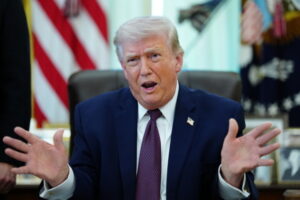
In his remarks welcoming Benjamin Netanyahu, Trump rightly emphasized that the regime in Iran is not threatened by a dramatic overthrow, but by the cumulative pressures that prevent it from “closing” any fronts.
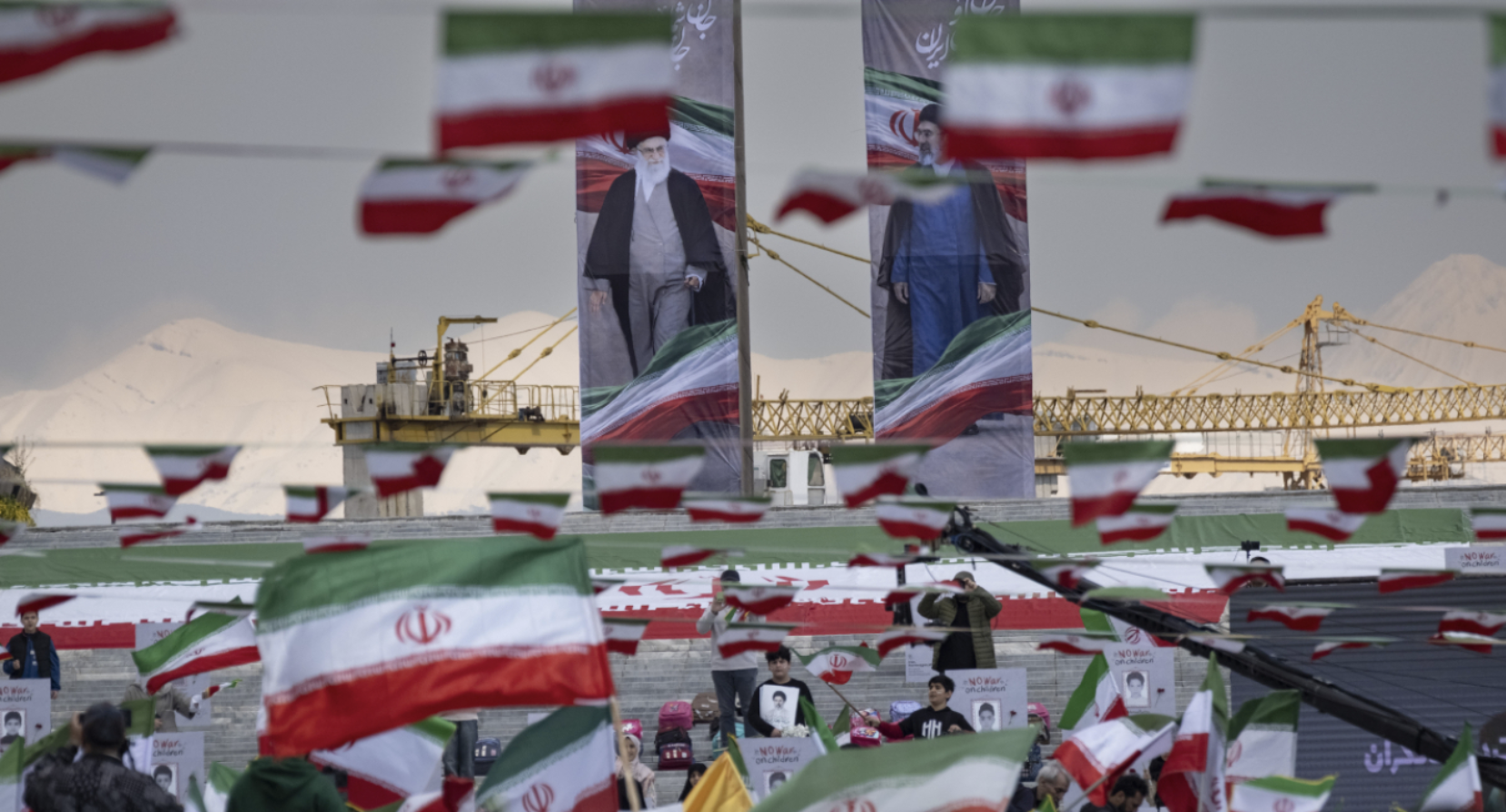
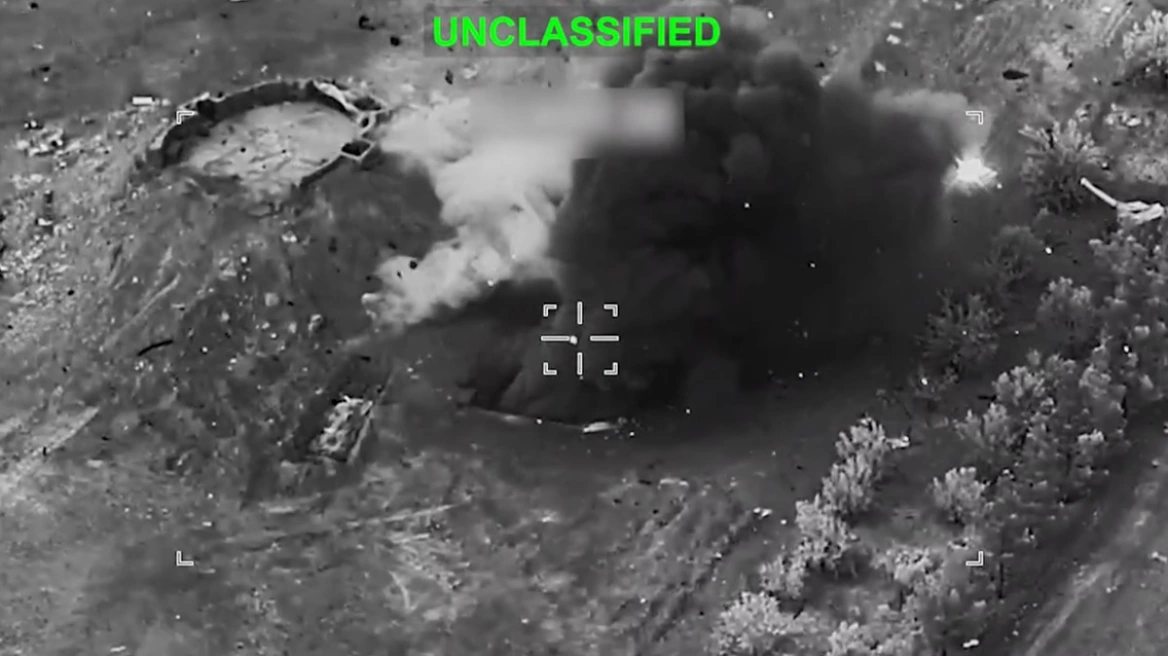
Militarily, the June strikes remain a potent reminder: critical facilities can be targeted, and deterrence does not function perfectly. This did not cause the regime to collapse, but it did expose it politically. The image of control suffered cracks—cracks that are not easily “repaired,” particularly when followed by rapid economic deterioration.
The regime still possesses the capacity for repression and enforcement, but it now applies this selectively. Not out of restraint, but because it recognizes that simultaneous conflict with both society and the economy carries risks that are neither immediately manageable nor easily contained.
Since the summer, the economy has become the primary domestic battleground. The fall of the rial, rising inflation, and market instability have hit politically influential groups, particularly traders and the urban middle class.
The resurgence of economic mobilizations—decades in the making, and three years after the mass protests sparked by Mahsa Amini’s assassination—differs from the 2022 movements, but may be more dangerous over the long term. These mobilizations do not openly challenge the regime, but they do challenge its ability to govern effectively. The government’s shift in rhetoric, acknowledging “legitimate demands,” shows that the system recognizes the decay and is attempting to slow it, even though it has no tangible solutions at present.
Externally, pressure remains constant and multilayered. The United States pursues a strategy combining economic pressure with military deterrence, without seeking direct conflict. Sanctions targeting drone and missile networks raise operational costs, while the threat of new strikes acts as a continuous lever of pressure.
Israel, for its part, does not need to demonstrate operational resolve anew. The June experience is sufficient to keep Tehran defensive, constraining its ability to act aggressively or “test” red lines.
The nuclear program, which for years served as a bargaining tool, has become a source of political vulnerability. Relations with the IAEA and inspection demands place Tehran in a deadlock: cooperation is perceived internally as retreat, while refusal to cooperate is interpreted externally as escalation.
At present, Iran is not setting the agenda; it is reacting to it, seeking to minimize damage. Support from Russia and China provides diplomatic breathing room and political cover, but it is not a strategic solution. Such support can block decisions in international forums and absorb some external pressure, but it cannot alter domestic balances. Social discontent, particularly when tied to living standards, cannot be mitigated through resolutions or geopolitical alliances.
Looking ahead to the next six to twelve months, the most likely scenario is neither collapse nor stabilization. Attrition will continue. Each further drop in the rial, each sanctions package, and each nuclear-related incident compounds the pressure. The regime will aim for controlled domestic de-escalation and to avoid major external conflict—but this requires time, and in such a context, time is costly.
Historically, the current phase resembles 2019 more than 2009, with one key difference: in 2019, there was still room for economic absorption of pressure. Today, that margin is much narrower. Social fatigue was evident in 2022, and 2025 adds geopolitical vulnerability.
Iran is not at the end of the road; it is on a long, uphill stretch. As this uphill continues with no clear exit, political attrition will intensify—not dramatically, but steadily. For any closed system of power, this is the hardest environment to manage, largely because it is also the most unpredictable.
Ask me anything
Explore related questions