





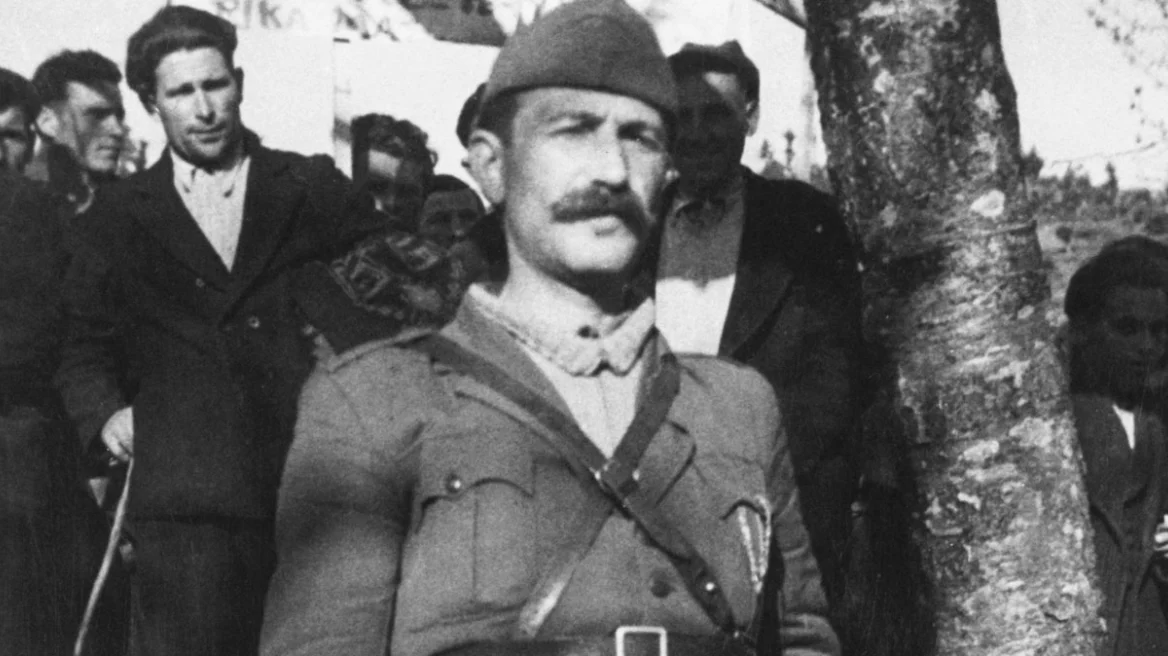
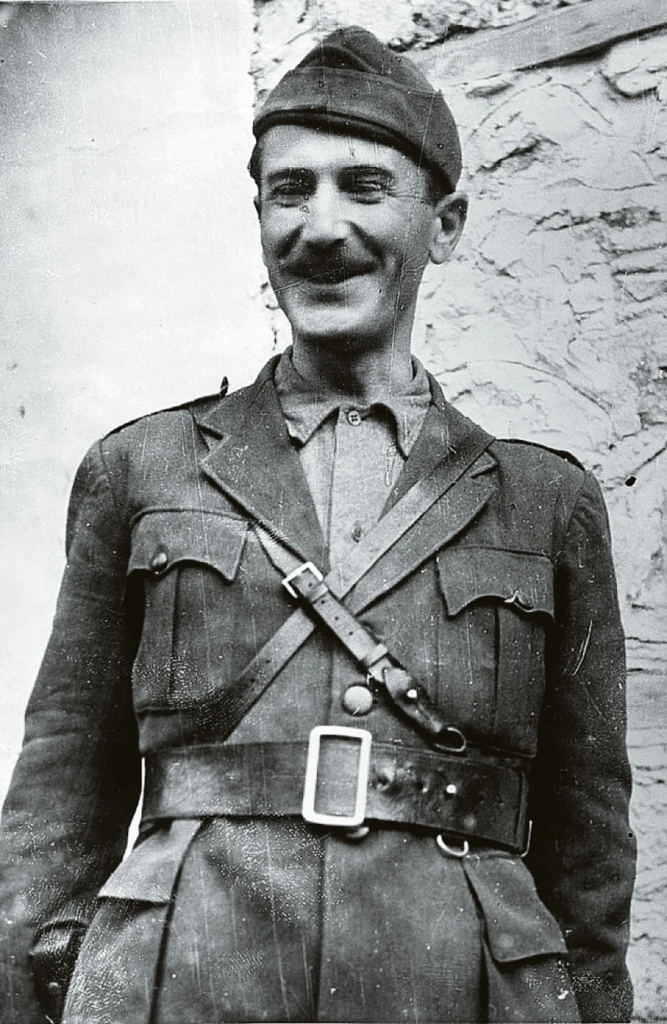
Markos Vafeiadis, commander of the Democratic Army of Greece (DSE), was a controversial figure during the Greek Civil War. His removal from DSE leadership is considered a turning point in the conflict. In 1938, he collaborated with Aristomenis Mitsotakis in planning a coup against the Metaxas dictatorship. Later, he disagreed with the leadership of the Communist Party of Greece (KKE) over transforming the guerrilla forces into a regular army, leading to his dismissal in 1949. He returned to Greece in 1983, calling for reconciliation and joining PASOK.
What, then, was Markos Vafeiadis: a ruthless warlord of the Democratic Army during the Civil War, or a patriot who, despite frequent and even fundamental disagreements with his party, repeatedly chose to follow orders? What guided his priorities—his country or his party? If he so strongly opposed the KKE’s central decision to lead the country into civil war and later to convert the guerrilla army into a regular army, why did he not resign? How sincere was he in the conciliatory declarations that accompanied his return to Greece on March 25, 1983, after years in exile?
The answers to these questions, and many others, regarding the path of a turbulent figure like Markos Vafeiadis—who served as commander of the DSE and first president of the so-called “Mountain Government”—are neither simple nor absolute. Even history itself, 34 years after his death on February 22, 1992, has not rendered a definitive judgment.
From “legend” to “traitor”
The mere fact that his removal from DSE leadership is considered by many historians and military researchers a decisive turning point in the outcome of the civil war at the start of 1949 makes Vafeiadis one of the most significant figures in 20th-century Greek history—albeit a controversial one. A legendary figure to most of his comrades, a hero with fighters sworn to him until death, yet, from a certain point onward, considered a “traitor, unstable, and dangerous” by the party leadership he faithfully served for decades.
Despite his limited formal education, Vafeiadis demonstrated strategic political thinking and, more importantly, mastery of guerrilla warfare, which he successfully imparted to his fighters, earning even his opponents’ respect. Evangelos Averoff and Thrasyvoulos Tsakalotos repeatedly, in 1948, expressed concerns and doubts about the success of the National Army’s operations against the rebels, acknowledging Vafeiadis’ clever tactics. On April 5, 1948, Vafeiadis was featured in Time magazine for his guerrilla activities. Months later, many were relieved to hear of his dismissal from command.
The more one examines the known facets of his life, the clearer his confrontational and uncompromising character becomes. He never compromised his views, which led to significant mistakes and defeats, costing him positions and prestige, and translating into long periods of exile that shaped his turbulent life.
The pre-war coup in Chania
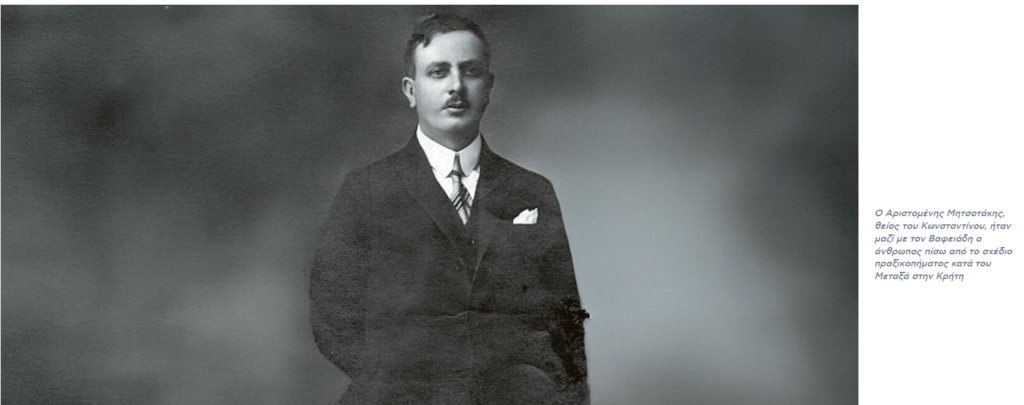
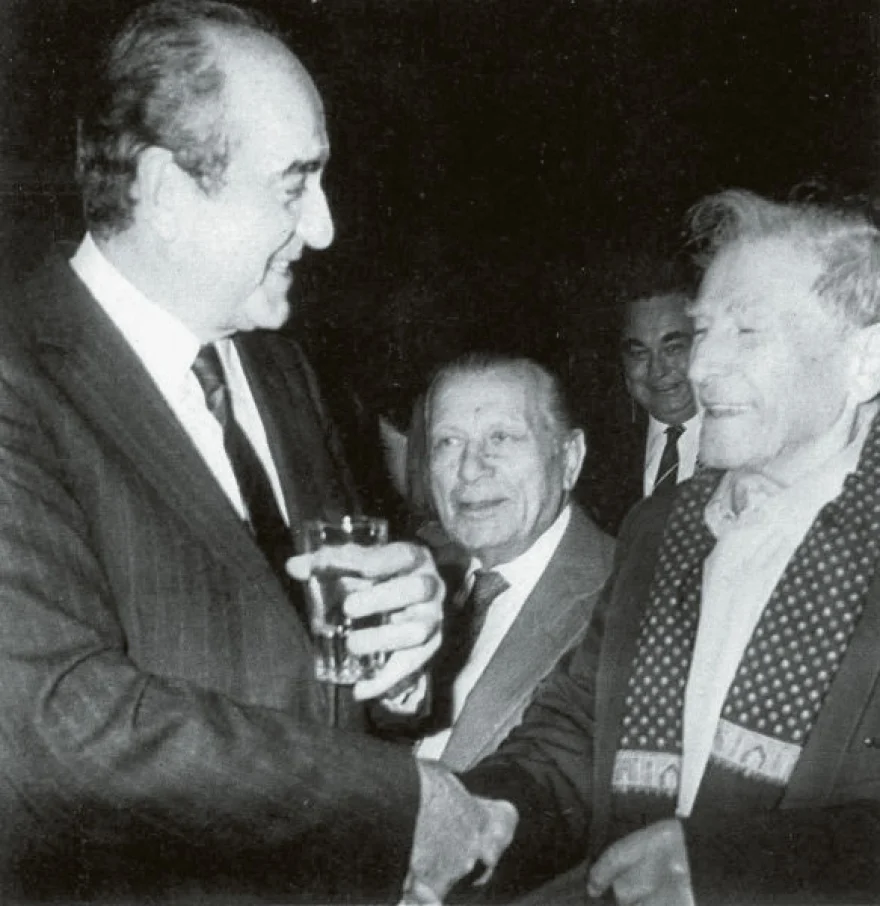
A photograph showing Vafeiadis smiling warmly with Konstantinos Mitsotakis, future Prime Minister and ND President, points to a little-known but historically significant moment in pre-war Greek history, indirectly linking the two men. As the KKE’s political instructor in Crete, Vafeiadis collaborated in 1938 with Aristomenis Mitsotakis and other prominent Venizelist politicians and military officers in Chania to plan a coup against the Metaxas dictatorship. Aristomenis Mitsotakis, uncle of Konstantinos, had served as a Chania MP for years and briefly as Minister of National Economy in the Papanastasiou government. He was also the brother of Kyriakos Mitsotakis’ grandfather.
The plan aimed to seize key public buildings. According to Vafeiadis’ memoirs, the preparatory committee agreed on three points: overthrow the dictatorship, form an anti-dictatorial government from all parliamentary parties, and restore dismissed democratic officers while abolishing repressive laws and exile practices. The revolt began at 2 a.m. on Friday, July 29, but despite some initial successes, the uprising was quickly suppressed. Leaders regained control, and the rebellion was crushed. Vafeiadis’ participation, however, reflected collaboration with political and ideological opponents for the higher national goal of overthrowing a dictatorship.
Early life and political awakening
Markos Vafeiadis was born on January 28, 1906, in Tosia, Pontus (modern Erzurum). He grew up in a patriotic environment, which shaped his character. His father, Giannis Vafeiadis, a teacher and merchant, died in 1917, and his mother, Kyriaki, in 1920. Orphaned as a minor, he sought his livelihood in Istanbul, Thessaloniki, and Kavala, working as a street vendor and tobacco worker. Poverty and injustice fueled his early political awareness. In 1924, he joined the Federation of Communist Youth of Greece (OKNE), became a KKE member in 1928, and was repeatedly arrested and exiled. He rose in the party ranks, eventually commanding ELAS forces in Macedonia during WWII.
Conflict with KKE leadership
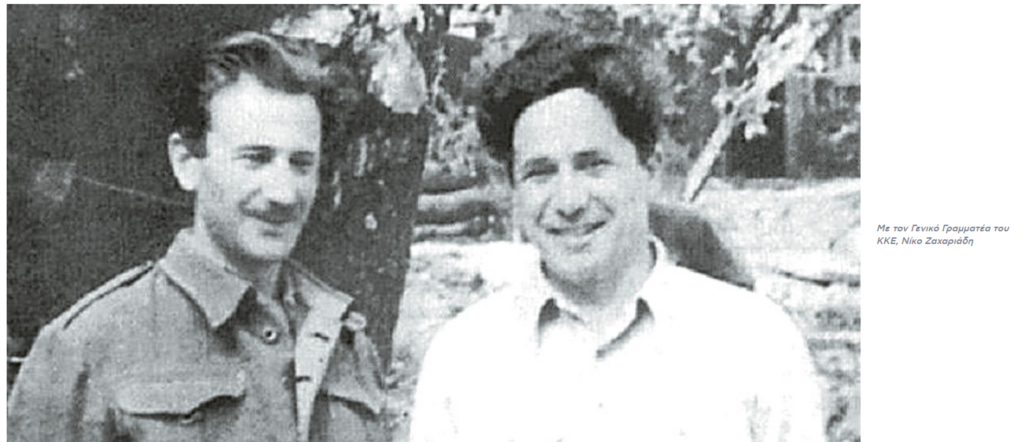
Vafeiadis’ disagreements became prominent as the Occupation ended and the Civil War loomed. He opposed total war against the British and disagreed with KKE leadership, including Aris Velouchiotis and later Nikos Zachariadis, over key strategic choices. He believed the Civil War could have been avoided, holding Zachariadis responsible for KKE’s electoral abstention in 1946, which facilitated the Right’s victory.
Despite his disagreements, Vafeiadis obeyed orders to re-enter the mountains in 1947 to lead the Democratic Army of Greece (DSE) against state and paramilitary forces. He became Prime Minister of the “Mountain Government” and achieved significant military successes. His final rupture came when he refused to follow Zachariadis’ secret “Lakes Plan,” which aimed to transform DSE into a conventional army and establish liberated territories in Macedonia and Thrace. Vafeiadis insisted the DSE should remain a guerrilla army, a decision later vindicated as the National Army’s superior resources ensured the defeat of the regularized DSE.
Exile and reconciliation
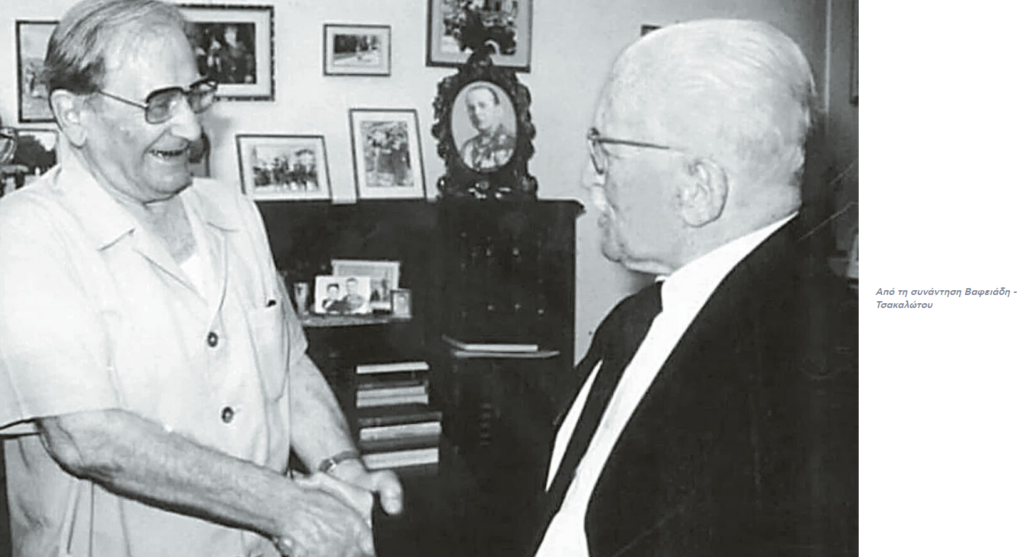
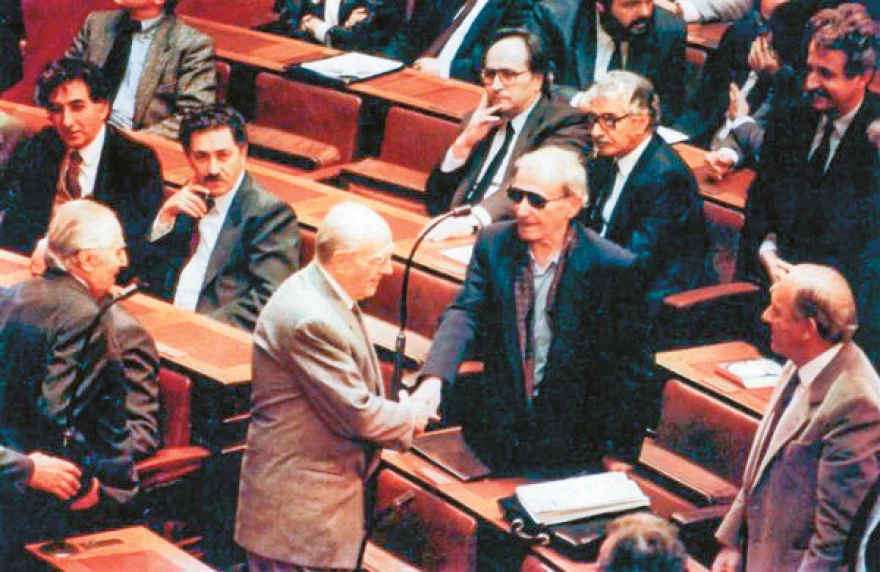
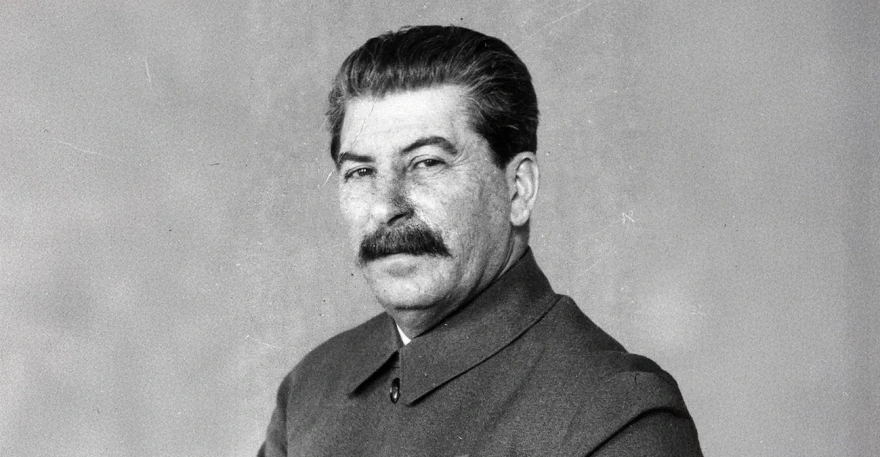
Exiled in Albania and then the USSR, Vafeiadis lived under the name Ivan Vasilievich Kuliev. After Stalin’s death and the start of de-Stalinization, he was reinstated in KKE leadership but later expelled again in 1961, disagreeing with the dissolution of illegal organizations in Greece. He lived in Penza until 1983, working as a laborer. Returning to Greece on March 25, 1983, his presence provoked mixed reactions. He reconciled publicly with Thrasyvoulos Tsakalotos on May 23, 1984, signaling the desire to move beyond past hostilities. He later joined PASOK, became a parliamentary member, and was honored by the Ministry of Defense, although some of these recognitions caused controversy.
Ask me anything
Explore related questions




