Israeli Strikes and Expanding Targets
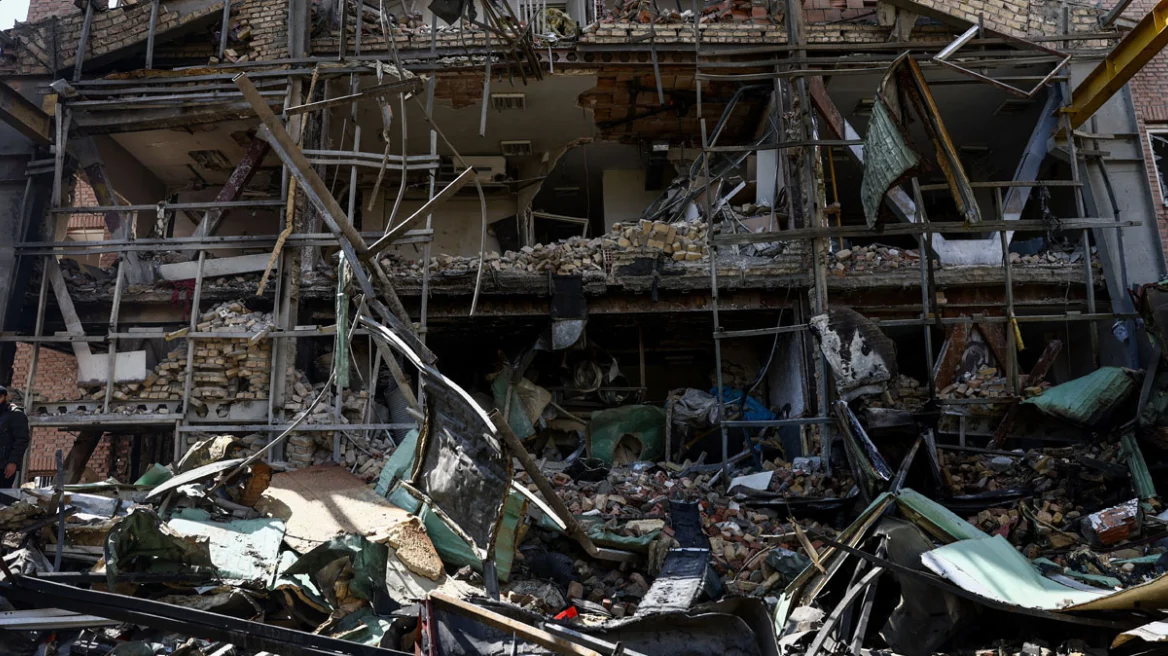
Israel has escalated its military operations against Iran, targeting key infrastructure linked to weapons production. According to the Israeli military, airstrikes hit petrochemical facilities near Shiraz, including sites allegedly used to produce materials essential for ballistic missiles.
Additional strikes were reported earlier at major energy and industrial facilities, including in Asaluyeh, significantly weakening Iran’s capacity to produce explosives and missile components.
Israel also carried out an airstrike on a mosque in southern Lebanon, stating that armed members of Hezbollah were operating inside. The incident highlights the risk of the conflict spreading further across borders.
Civilian Warnings and Rising Risks
In a rare move, the Israeli Defense Forces issued a direct warning to Iranian civilians to avoid using trains or being near railway infrastructure, stating that such locations could become targets and “put lives at risk.”
Meanwhile, Iranian missile attacks—including the reported use of cluster munitions—caused damage in central Israel, increasing fears of further civilian casualties on both sides.
At least 15 people were reported killed in overnight strikes across Iran, including in residential areas near Tehran.
Trump Ultimatum and Diplomatic Pressure
At the center of the crisis is an ultimatum issued by Donald Trump, demanding that Iran reopen the strategic Strait of Hormuz to global shipping.
Trump warned that failure to comply could result in the destruction of Iran’s energy and infrastructure within hours. However, U.S. officials संकेत that the president may delay military action if there are credible signs of a diplomatic agreement.
According to reports, the decision ultimately rests solely with Trump, adding uncertainty to an already volatile situation.
Iran strongly rejected the threats, calling them “arrogant” and “delusional,” while insisting they would not affect its military posture.
Iran’s Conditions for Peace
Iran has reportedly submitted a 10-point proposal for ending the conflict through mediation efforts involving Pakistan. Key demands include:
- Immediate cessation of all attacks
- Lifting of international sanctions
- End to Israeli military operations
- Guarantees against future aggression
- Protection of maritime navigation in the Strait of Hormuz
Diplomatic sources describe the negotiations as entering a “critical and sensitive” phase.
Regional and Global Impact
The conflict is already affecting the wider region:
- A petrochemical facility in Saudi Arabia was struck, raising concerns about attacks on global energy infrastructure.
- The King Fahd Causeway linking Saudi Arabia and Bahrain was temporarily closed for security reasons.
- Oil prices surged, with Brent crude rising above $110 per barrel amid fears of supply disruption.
The United Nations has urged all sides to avoid targeting civilian infrastructure, warning that such actions could violate international law and cause disproportionate harm to civilians.
Additional Developments
- Reports suggest that Mojtaba Khamenei is in serious condition and unable to perform duties, potentially affecting Iran’s internal decision-making.
- Iran has called on civilians, especially youth, to form “human chains” to protect key energy facilities.
- A vote at the UN Security Council is expected on measures to secure shipping routes in the Strait of Hormuz.
A Region on Edge
With ongoing airstrikes, retaliatory attacks, and a looming U.S. deadline, the situation remains highly unstable. The possibility of a diplomatic breakthrough still exists—but time is running out.
The coming hours are expected to be decisive in determining whether the crisis escalates into a wider war or shifts toward de-escalation through negotiation.
Ask me anything
Explore related questions