





1. La Cúpula de El Capricho, Castilla y León, Spain
The World’s Top Meat-Eating Experience, in the bowels of the Earth
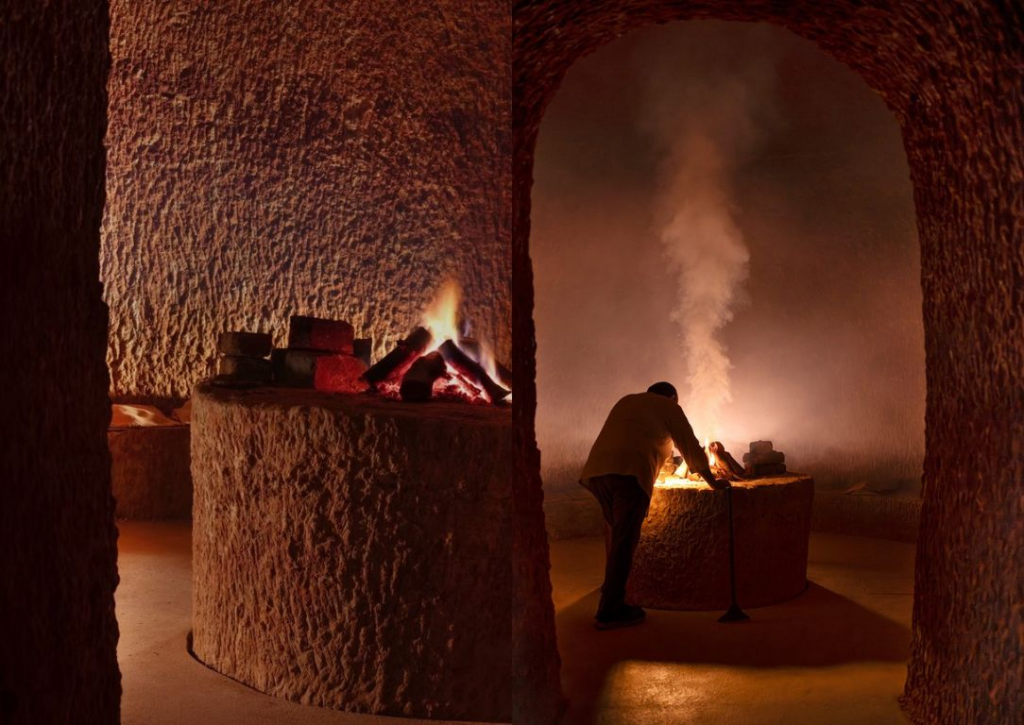
The world’s premier meat-eating experience from fire whisperer, José Gordón. His creation, under the earth, is not just a new restaurant but one of the most unique meat-centric dining experiences in the world today. Set in a theatrical underground space, La Cúpula is unique not only for its architecture but also for its integrated experience, offering an immersive 18-course, 5-hour culinary journey focused entirely on beef
2. Margaret, Sydney, Australia
A restaurant – the epitome of provenance
Margaret retains its 2nd place this year among the 101 best restaurants in the world for 2026. In the beautiful suburb of Double Bay in Sydney, by the harbor, Neil Perry has created one of the most exciting meat-focused dining experiences.
At the heart of Margaret lies Australia itself. Perry’s respect for provenance is a consistent practice—a commitment to the country’s farmers, ranchers, and producers who define its culinary identity.
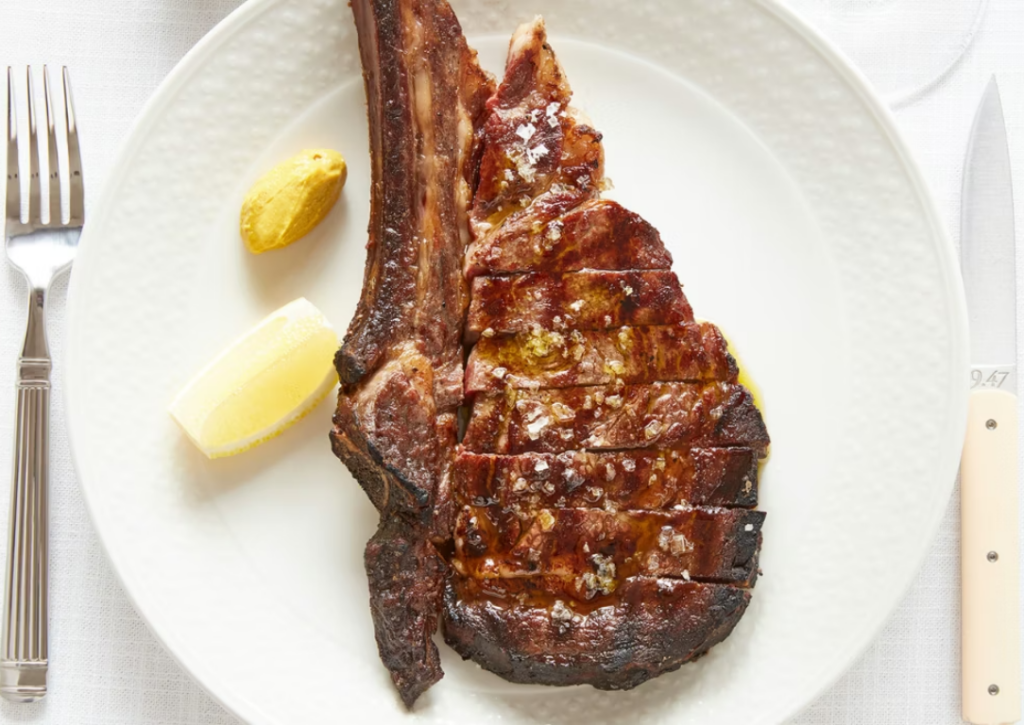
The dry-aged beef, cooked over a wood-fired grill, delivers depth and character, allowing the quality of the meat to remain the center of attention. What makes Margaret stand out is its consistency, keeping the focus where it belongs: on the ingredients, the cooking, and the overall hospitality experience for the guest.
themargaretfamily.com
3. Laia Erretegia, Hondarribia, Spain
Refined Basque fire
Laia Erretegia returns to No. 3 on the list of the 101 best meat restaurants in the world for 2026—and it does so with the kind of authority it represents. In Hondarribia, near the Atlantic and the French border, this restaurant is built around a central idea: Basque parrilla as a complete gastronomic language—the language of fire, refined to its purest form.
What makes Laia so compelling is the entire experience. The space is modern and composed, yet nothing distracts from the true protagonist: the meat. Where the products come from, why they are selected, how they are aged, and how fire is used to express them.
Laia Erretegia holds the No. 3 position precisely because it represents a rare kind of finesse—deeply rooted in tradition at its core, yet contemporary in its execution.
laiaerretegia.com
4. I Due Cippi, Tuscany, Italy
Tuscan family tradition
I Due Cippi returns to No. 4 for 2026 and remains the ultimate benchmark for meat in Italy. In Saturnia, a small Tuscan town known for its thermal springs, Due Cippi is a restaurant where the experience unfolds over an open fire, on which not only beef but most of the ingredients offered are prepared with a discipline rooted in memory, time, and tradition—built upon a long-standing family craft.
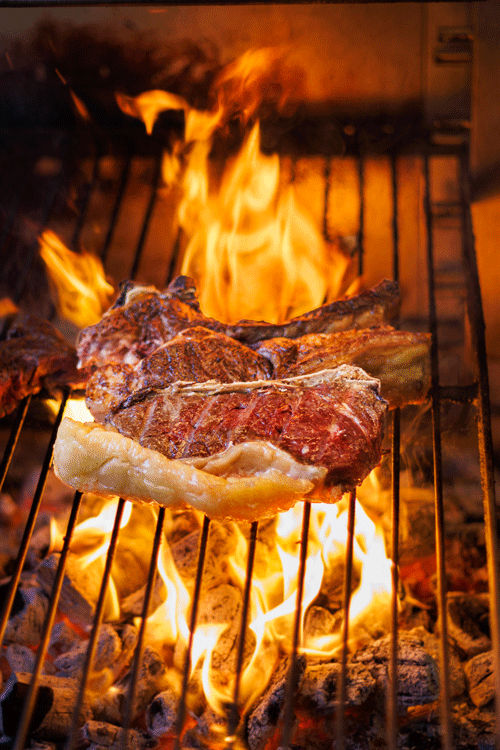
The beef comes from local Italian and European breeds, with the menu primarily based on meat that has been aged to develop structure and depth of flavor. Cooking is centered around a specially designed wood-fired grill, where flavor is shaped by heat, smoke, and time.
Alongside beef, signature dishes such as Tuscan pigeon with cauliflower, foie gras e albicocca (foie gras with apricot), and Trippa & Lampredotto (charcoal-grilled tripe) are served with exceptional quality and precise execution, enhancing the restaurant’s reputation far beyond meat and fire alone.
iduecippi.com
5. Lana, Madrid, Spain
Madrid’s modern parrilla
In the Chamberí district of Madrid, Lana has evolved into one of the most complete contemporary grill experiences in Europe. Led by Argentine brothers Martín and Joaquín Narvaiz, the restaurant blends fire-based cooking with a strong Spanish sensibility while retaining its Argentine soul.
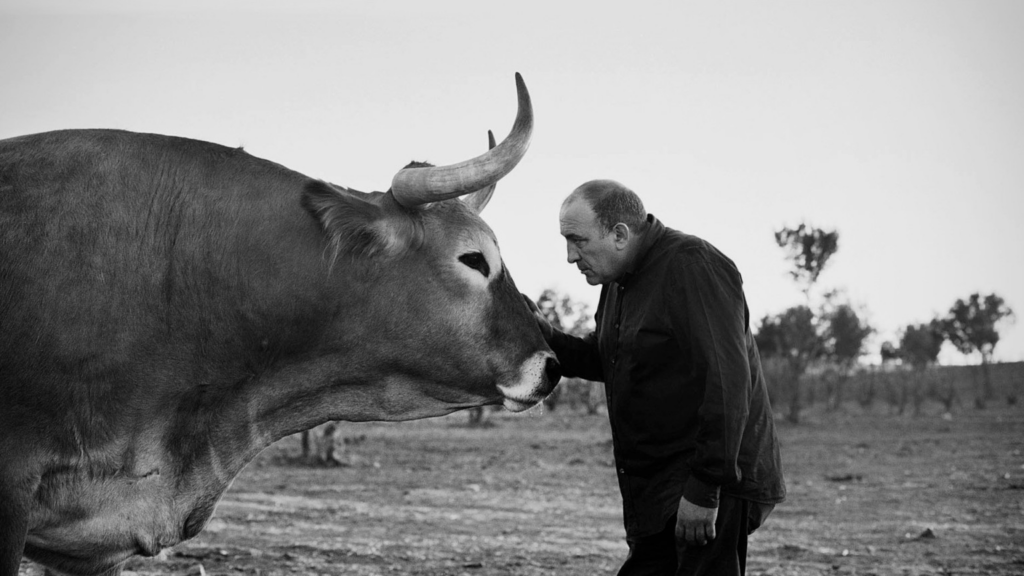
What stands out is how complete the overall experience at Lana has become, and how it continues to improve year after year. At its core is the Argentine wood-fired grill using quebracho wood, whose steady heat and clean smoke define the cooking results.
Dry-aged beef, sourced mainly from Spain and Argentina, meets the grill and the skilled, disciplined hands that manage it. The result—mature and deeply flavorful—relies on timing, heat, and clarity of flavor. A vast collection of Argentine wines, with over 1,000 labels, further enhances the dining experience at Lana.
restaurantelana.com
6. Casa Julián – Tolosa, Spain
A Basque legend
In the town of Tolosa, Casa Julián de Tolosa remains one of the most authentic expressions of Basque parrilla in the world. Founded in 1951 and still run by the Gorrotxategi family, it stays true to an unwavering philosophy.
Nothing here is designed to impress through innovation. Everything is built to function with precision, aligned with the region’s culinary traditions. Casa Julián offers fire cooking in its purest form.
At the center is the Txuletón steak, a magnificent bone-in ribeye from mature cows sourced from Galicia and the Basque Country, refined through precise dry aging and grilled exclusively over oak charcoal. Here, the steak expresses the animal at its best: origin, feed, and aging.
casajulian.eus
7. Ibai, London, United Kingdom
A Basque grill in London
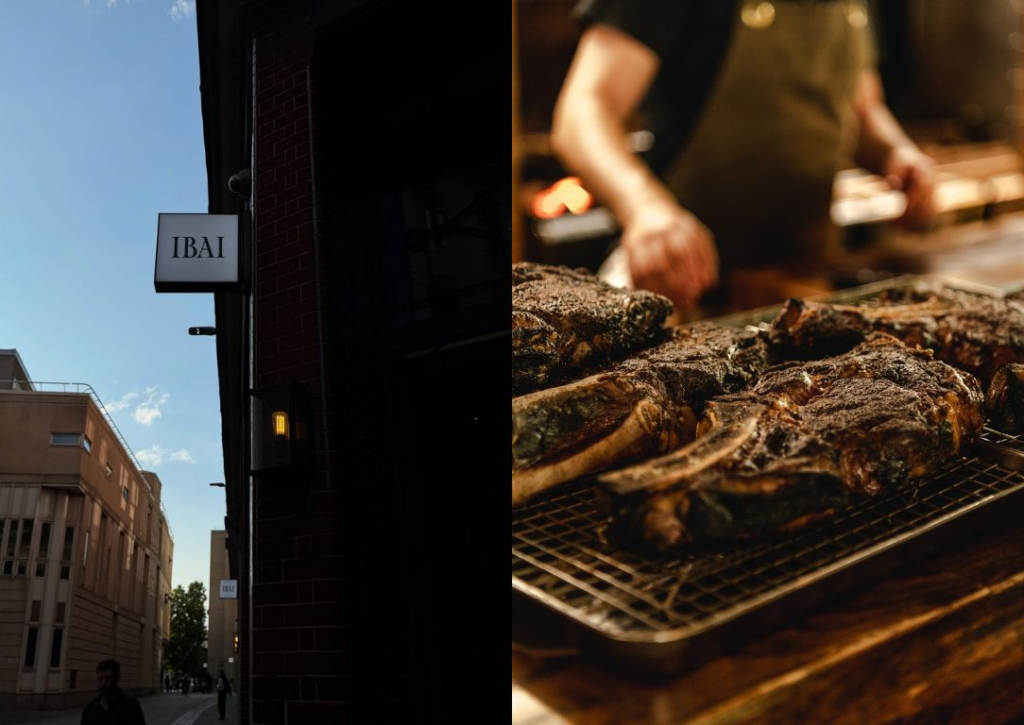
In Farringdon, Ibai has, year after year, become one of the most distinctive meat restaurants in London—and the best for 2026—not because it tries to recreate Basque tradition, but because it takes it seriously and applies it with knowledge and respect.
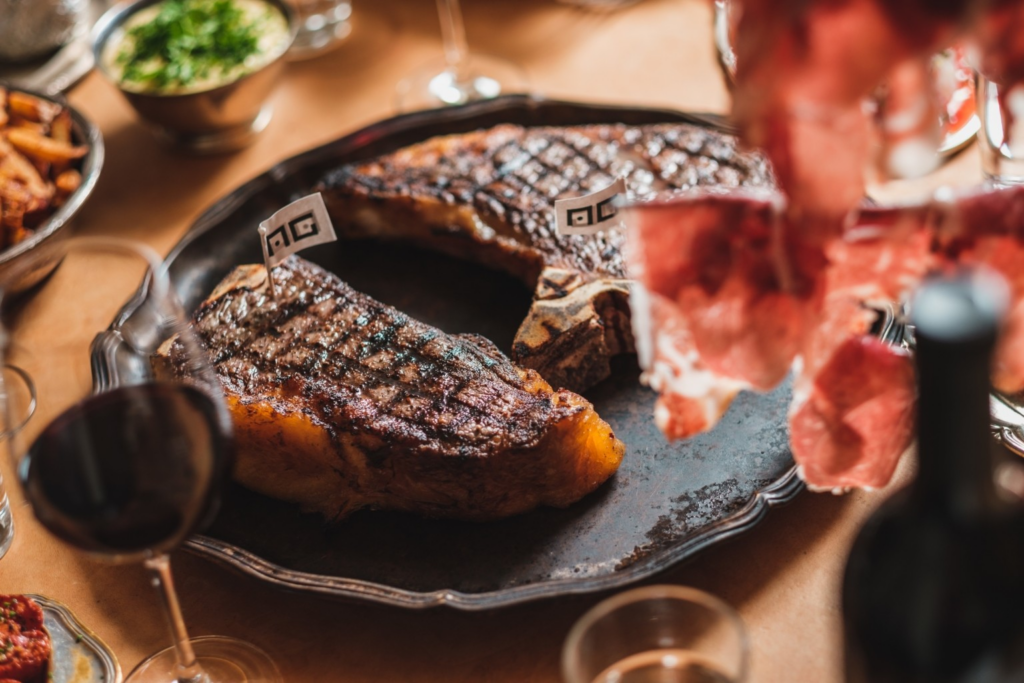
Led by head chef Richard Foster, it is driven by confidence rooted in the essence of meat: origin, aging, cooking, and serving. At the heart of the menu is Galician Blond beef from mature dairy cows, valued for its depth of flavor, structure, and tenderness.
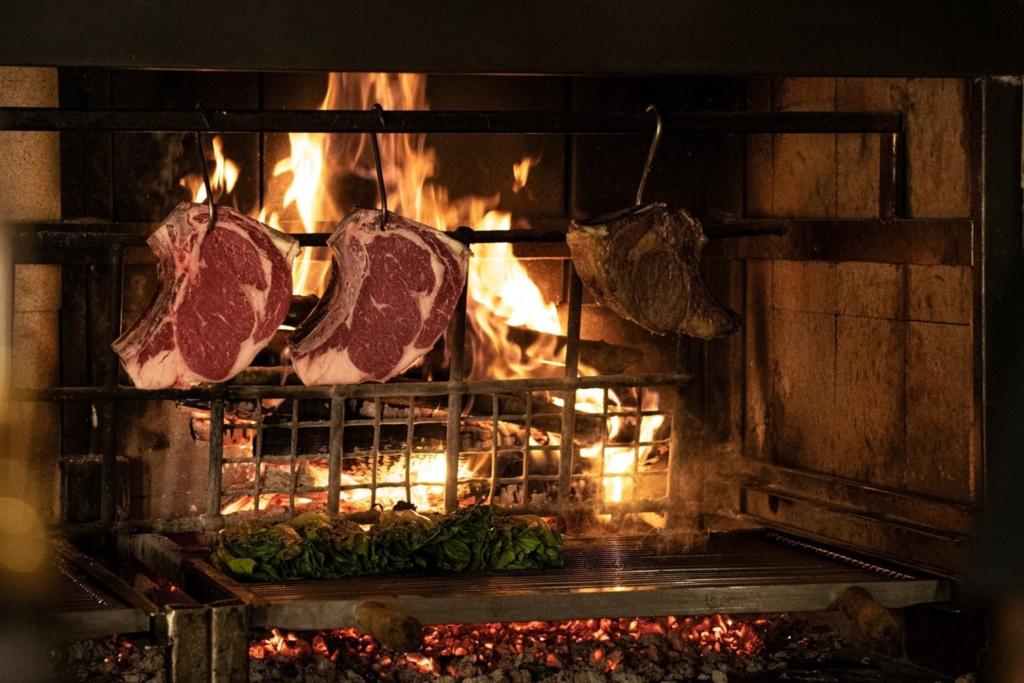
The beef is primarily dry-aged and then cooked over open fire on a multi-level charcoal grill, allowing different cuts to be adapted to varying heights and heat intensities. In this renovated warehouse with a strong industrial character and an open kitchen that keeps the craft visible, the restaurant expresses its love for Basque cuisine alongside integrated French influences.
Ibai is the first restaurant in the UK to receive The Beef Advocate certification, a major recognition of its comprehensive work with beef across all areas.
ibai.london
8. AG, Stockholm, Sweden
Aging, butchery, and fire
AG continues to represent the clearest expression of modern Scandinavian beef culture. Housed in a former silver factory, it offers a multi-layered experience that includes its own butchery, a visible meat-aging facility, and culminates in live fire and culinary enjoyment.
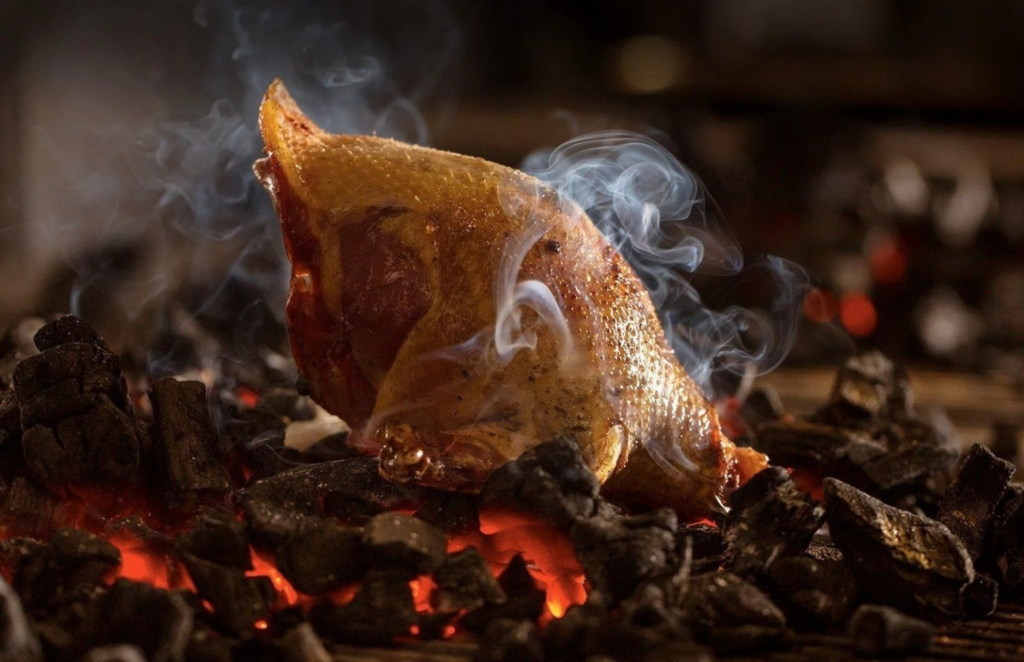
At the center is beef, with a focus on Swedish dairy cows aged in-house for up to 90 days. AG undoubtedly offers one of the most consistent, transparent, and diverse beef programs anywhere in the world.
Cooking is based on charcoal and open fire, approached with simplicity, knowledge, and honesty—without excess. Even the in-house burger, with bone marrow mayonnaise and pickled onions, follows the same philosophy. The wine list is extensive, featuring world-class labels selected to pair naturally with the variety of beef and the intensity of the grill.
restaurangag.se
9. Burnt Ends, Singapore
A benchmark in Singapore
In Dempsey Hill, Burnt Ends has established itself as one of the most influential fire-driven restaurants of our time. Led by chef-owner Dave Pynt, it is a place whose identity is shaped by fire itself.
At the center of the dining room stands the wood-fired oven with its elevated grills. The menu changes almost daily, yet the philosophy remains intact: exceptional ingredients in direct dialogue with fire.
Australian Blackmore Wagyu beef, Margra lamb, and more are among the top expressions of the restaurant’s philosophy. Pynt’s mastery of open-flame cooking traces back to his time working alongside fire pioneer Victor Arguinzoniz at Asador Etxebarri—an influence still visible in the discipline and immediacy of his approach.
burntends.com
10. Bodega El Capricho, León, Spain
The life’s work of José Gordón
Bodega El Capricho remains one of the most unique beef restaurants in the world. It is part of the renowned gastronomic project led by chef José Gordón, which also includes La Cúpula and Bodega El Capricho within the same estate.
A specialized and exclusive dining experience, often referred to as “La Cúpula de El Capricho,” it is defined in part by its historic underground cellars. These spaces are central to the restaurant’s character, creating a sense of history that shapes the experience even before the first dish arrives.
The menu extends beyond steaks, featuring standout dishes such as beef tongue, morcilla (blood sausage), and house-made cecina (cured, smoked beef), reflecting a philosophy of using the whole animal rather than a narrow focus.
Gordón is often present at the tables, explaining and guiding guests—part of how the restaurant communicates its identity through a deeply personal experience.
bodegaelcapricho.com
Ask me anything
Explore related questions




