





The German automotive industry lobby group VDA has called for de-escalation of the tariff dispute between the United States and the European Union, following President Donald Trump’s statement that he would raise tariffs on EU cars and trucks to 25% from the previously agreed 15%.
The Verband der Automobilindustrie (VDA), the German Association of the Automotive Industry, is one of the most powerful industrial lobbying groups in Europe and globally. It represents the interests of German vehicle manufacturers (such as Volkswagen, BMW, Mercedes-Benz) and their suppliers, both domestic and foreign operating in Germany.
The tariff increase threatens billions of euros in transatlantic automotive trade and reverses progress made under last year’s US-EU framework, Reuters reports.
This tariff threat directly targets the German automotive industry. The European carmakers most affected include Mercedes-Benz, BMW and Volkswagen, which import a significant share of the vehicles they sell in the US from European factories. While many European automakers operate assembly plants in the US, they still import specific models from Europe, such as the BMW 3 Series and the Mercedes-Benz S-Class.
The German Association of the Automotive Industry (VDA) issued a strong warning, calling the move “another serious burden on transatlantic relations.” VDA president Hildegard Müller said the additional tariffs would seriously hit the German and European automotive industry in an already difficult environment and that the cost could ultimately be passed on to American consumers.
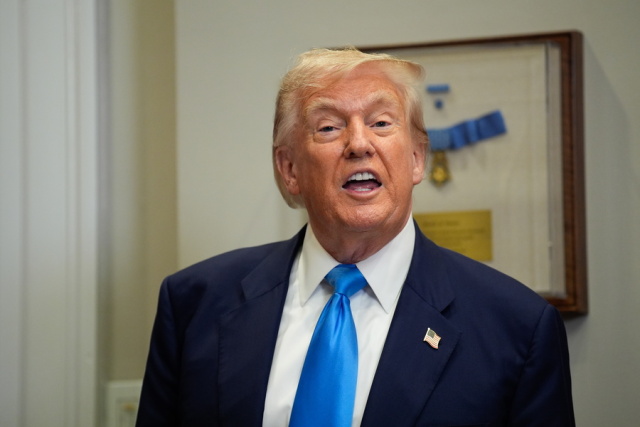
President Donald Trump said on Friday that he would raise tariffs on cars and auto parts from the European Union because the 27-country bloc is not complying with the terms of a trade agreement reached last summer.
“I am pleased to announce that, based on the fact that the European Union is not honoring its fully agreed trade agreement, next week I will be increasing the tariffs imposed on the European Union for cars and trucks entering the United States,” Trump wrote on Truth Social. “The tariff will be raised to 25%.”
These auto tariffs played an important role in bringing the EU to the negotiating table last summer, putting pressure on Germany’s automotive industry, including major brands such as Volkswagen, BMW and Audi.
Close
Trump told reporters that higher tariffs would force European carmakers to move production to the US more quickly.
“We have a trade deal with the European Union. They were not complying. So I increased tariffs on cars and trucks to 25%, meaning billions of US dollars are coming into the United States, and this forces them to move production of their factories much more quickly,” he said from the White House.
“The behavior of President Trump is unacceptable,” said Bernd Lange, chair of the European Parliament’s international trade committee, in comments to Reuters following the surprise tariff announcement. “This latest move shows how unreliable the US side is. We have already witnessed these arbitrary attacks from the US in the case of Greenland. This is not how close partners should be treated. Now we can only respond with maximum clarity and consistency, using the strength of our position,” Lange said.
The president of the German automotive association VDA urged both sides to move quickly to resolve the situation, warning that the higher tariff would sharply increase costs.
European carmakers already have significant operations in the US and further expansion plans are underway. Mercedes-Benz said in March that it would invest $4 billion in a plant in Alabama by 2030 and planned a total investment of $7 billion in US operations. The company, which is shifting production of its GLC SUV from Germany to Alabama, reported in February that its group operating profit had more than halved to €5.8 billion, partly due to €1 billion in tariff-related costs.
Ask me anything
Explore related questions




