





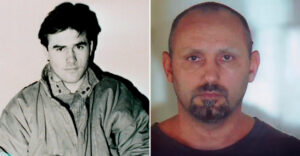
Nearly two decades after the cinematic prison escapes and robberies that made him the country’s most notorious wanted man, the name Vassilis Paleokostas continues to move on the border between myth and reality.
With a €1 million bounty placed on him after being linked to the bomb that killed the aide of Michalis Chrisochoidis, Giorgos Vasilakis, in June 2010, and with the authorities still unable to locate him to this day, the “eternal fugitive” remains an open case for the Hellenic Police.
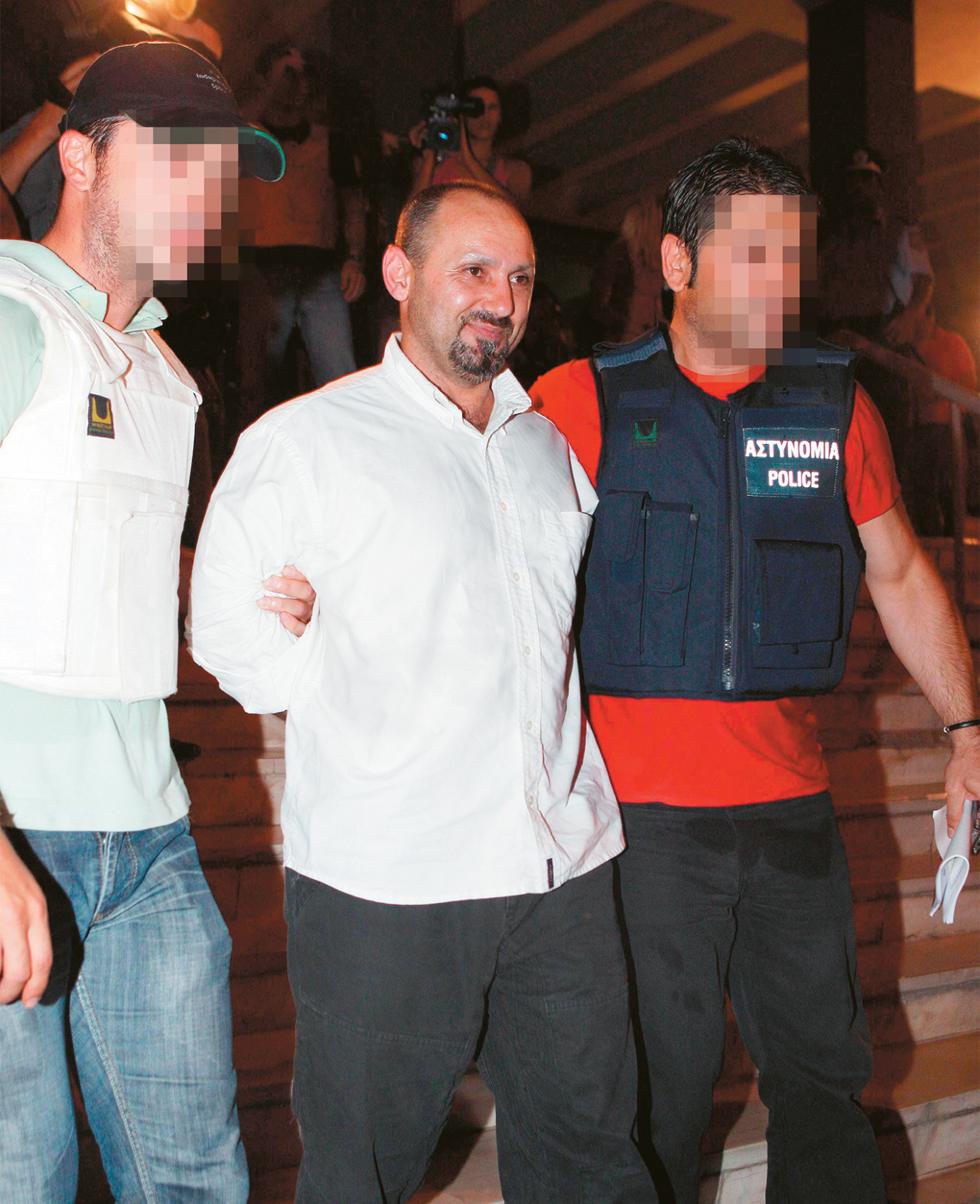
Vassilis Paleokostas, smiling, is escorted to prison in August 2008. A few months later he would escape by helicopter from Korydallos prison.
At the same time, the recent death of his brother Nikos Paleokostas brings back into the spotlight the question that has haunted investigations for years: is Vassilis Paleokostas alive or not, and if yes, where is he today?
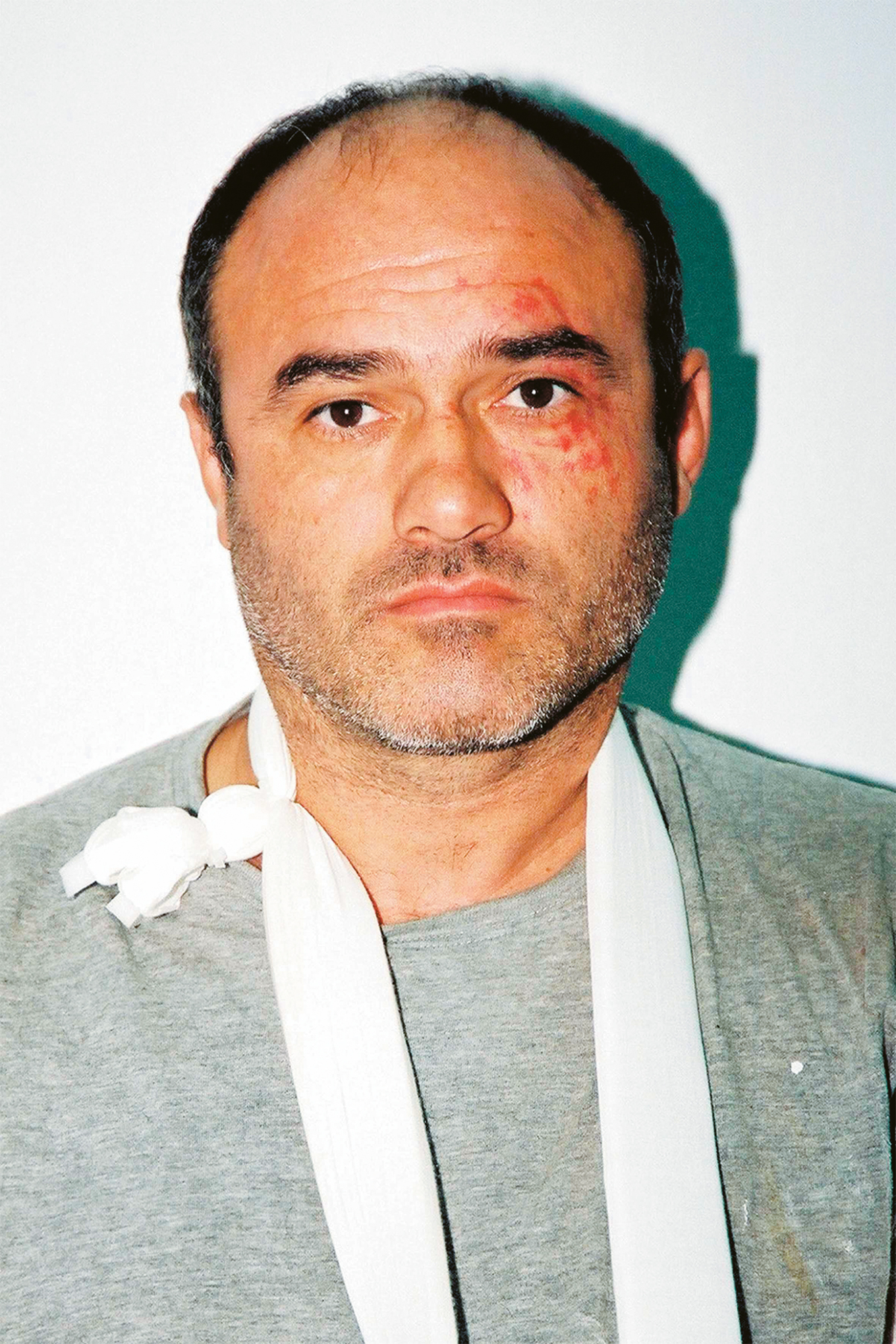
Nikos Paleokostas died in Trikala at the age of 65.
To this question, his former accomplice Kostas Samaras, known as the “Greek Butterfly,” recently attempted to give his own assessment in “THEMA UNCUT” of protothema.gr.
“I give a 70% chance that he is alive and possibly hiding somewhere abroad, and 30% that he is no longer alive,” he said, reflecting the disagreement that still exists even among those who knew him closely.
However, two former officers of the Counter-Terrorism Unit who took part in the investigations and spoke to “THEMA” give a different dimension to the case.
The testimonies shed light on unknown aspects of his activity and attempt to answer not only whether he is alive, but also where he could be hiding all these years. Particularly interesting are their accounts of how Paleokostas managed to constantly move under the radar of the authorities.
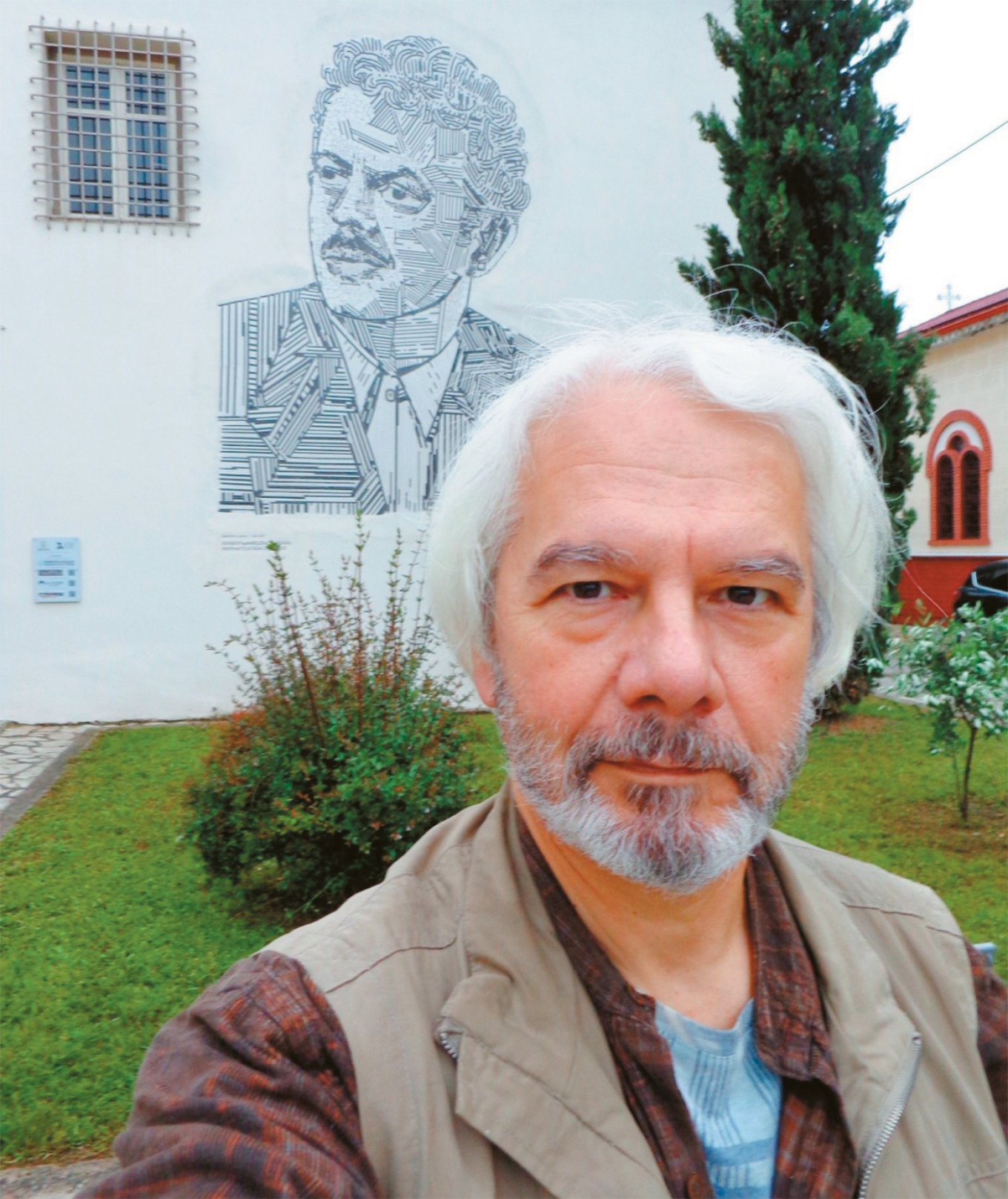
The former accomplice of Vassilis Paleokostas, Kostas Samaras, known as the “Greek Butterfly”
A piece of this puzzle is completed by what his accomplice Alkis Rizos revealed to the police themselves when they went to Korydallos Prison after his arrest to take a statement. A narrative that, without beautifying criminal activity, highlights the methods and conditions that allowed a wanted man to become a ghost for law enforcement authorities.
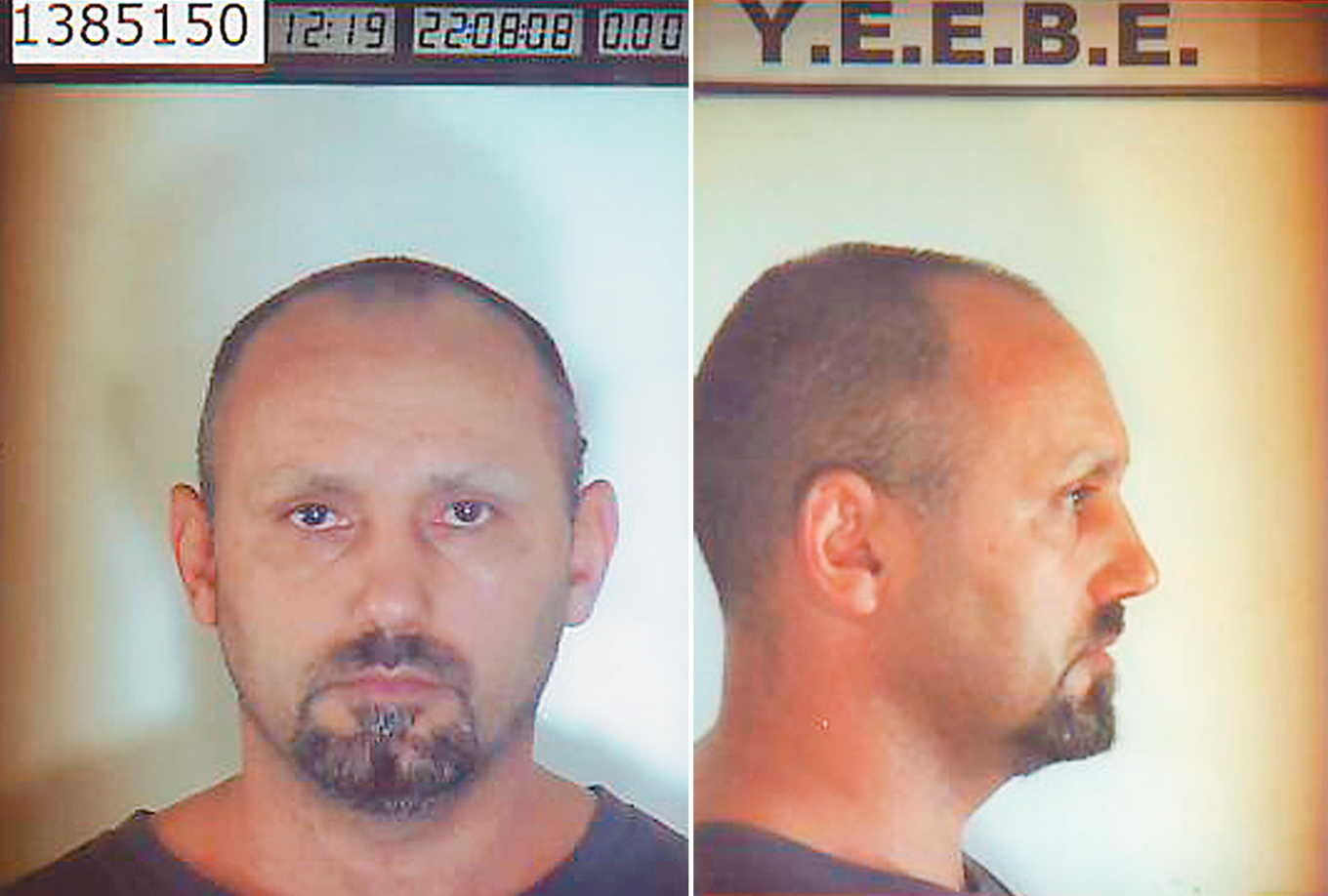
These photographs exist in all police stations across the country and his arrest is a priority of the Hellenic Police.
Method of “official escort”
According to the description, the officers—having exhausted their questions concerning both Alkis Rizos and Paleokostas himself—did not hide their curiosity about how it was possible for him to evade capture for such a long period.
The answer they received, however, seemed to overturn the usual image of a fugitive hiding in remote mountainous areas or abroad.
As he reportedly told them, they were neither lost in the mountains nor had they left the country, but were moving for long periods within the urban fabric, exploiting the sense of normality they created around themselves.
“Not only were we not hiding, but we were even greeting you,” Rizos is said to have told the officers verbatim.
The authorities had reached Rizos and the house where he was staying in Marathon after a targeted surveillance operation on his partner, who had gone to Athens to see her children. Through this move, Counter-Terrorism officers managed to locate the hideout and eventually reach his trail.
Of particular interest is his description of their mode of transport. As he allegedly explained, they used a method that created the impression of an official escort. Paleokostas drove a black Volkswagen Touareg with tinted windows, while Rizos followed in a Skoda Octavia equipped with a flashing light.
The image resembled that of a high-ranking official being escorted by security, allowing them to avoid checks even at toll stations. According to the same account, this tactic allowed them to pass unnoticed, exploiting psychological perception rather than any complex escape infrastructure.
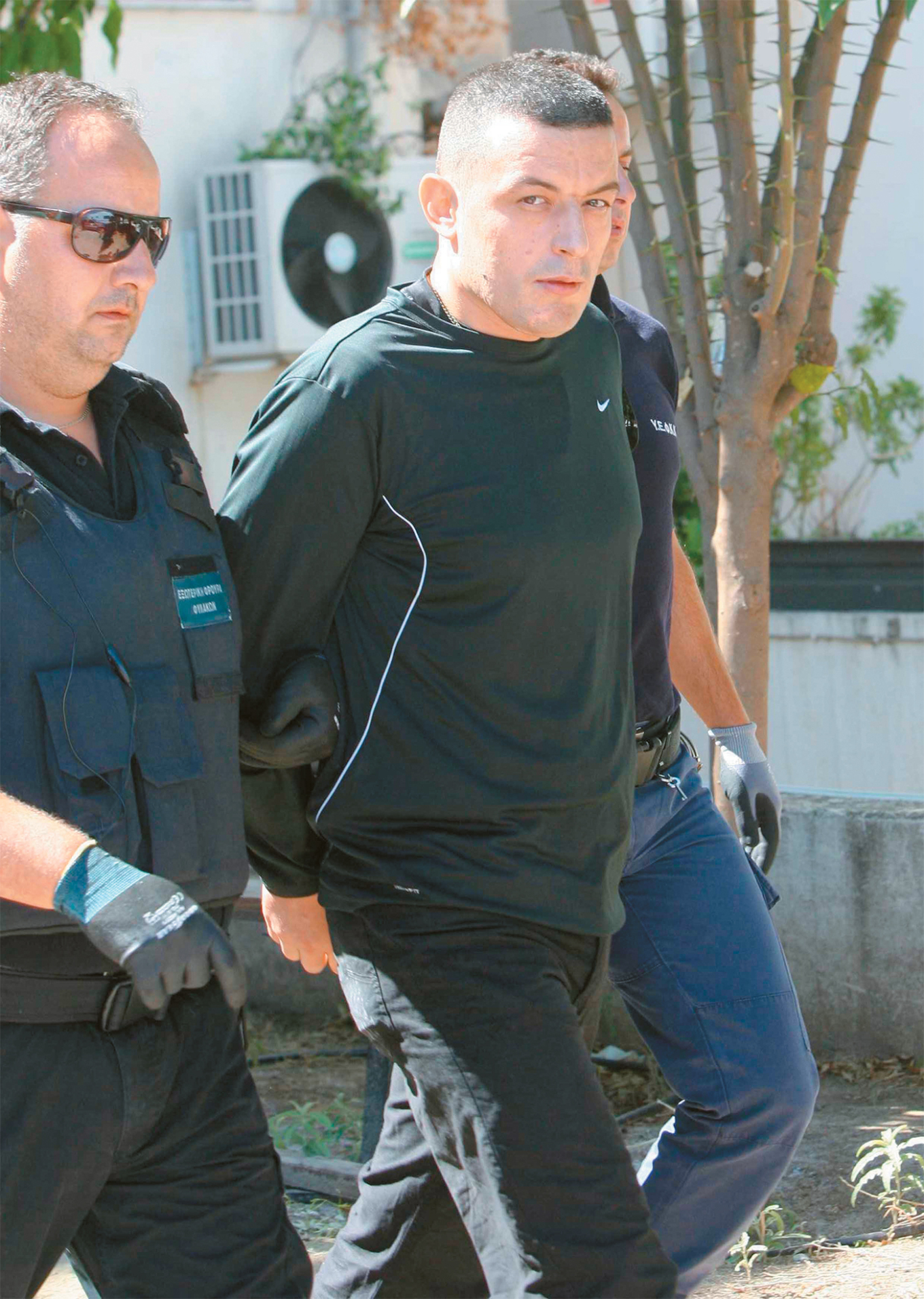
Alkets Rizai was an accomplice of Vassilis Paleokostas and revealed how they escaped police officers.
His Bulgarian partner
The two former Counter-Terrorism officers who spoke to “Proto Thema” avoid easy conclusions, but converge on one main scenario regarding Vassilis Paleokostas.
If he is alive, one possible version is that he crossed Greek borders years ago and settled in a country of the former Eastern Bloc. At the top of their assessment is Bulgaria, a country they note is not unfamiliar to him.
Paleokostas reportedly maintained a long-term relationship with a Bulgarian woman of his age, whom, according to the same sources, he used operationally, sending her into bank branches to observe movements and collect information before robberies. A network of contacts and knowledge that, according to the officers, could have ensured a long-term “disappearance”.
They do not even exclude the possibility that he may have altered his appearance, even through plastic surgery, in order to make identification more difficult. In any case, they insist that if he is alive, he would never choose a life in complete obscurity without planning, but rather a carefully structured existence far from those searching for him.
An informal network in the mountains
The police describe a peculiar reality in which Vassilis Paleokostas reportedly moved with relative ease. As they note, in several cases residents were hesitant to provide information, even when they recognised him from photographs.
They attribute this stance to a combination of fear and practical benefit. “This is not heroisation, but a survival method,” they emphasise.
In this context, the generosity attributed to him—earning him the nickname “Robin Hood of the Poor”—is not seen by police as an altruistic act, but as part of a strategy: a method of securing tolerance and silence from those who hosted him.
The three stories that follow—recorded here for the first time—illustrate how this informal network was built and operated in practice in his favour.
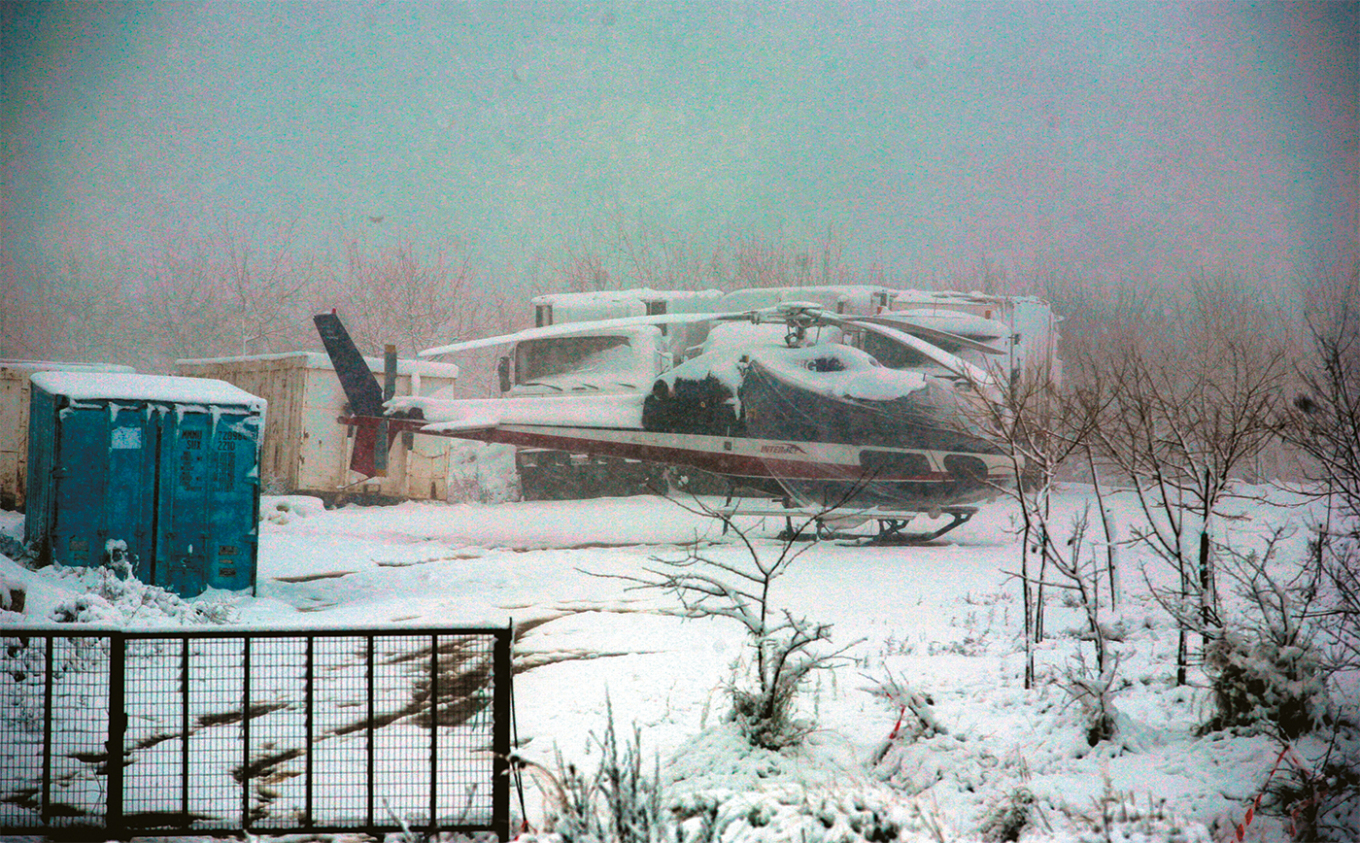
The helicopter of the escape abandoned in the snow
The wedding gift of €20,000
In the summer of 2013, Counter-Terrorism units conducted door-to-door searches in mountain villages of Trikala looking for traces of Vassilis Paleokostas, who originates from the area.
In one of the last villages near the mountains of Kalabaka, officers knocked on the door of an elderly woman holding his photo. The answer they received was not the one they expected.
The grandmother admitted that she not only recognised him, but that he had passed through her house requesting shelter for one night. As she recounted, the man arrived discreetly at night, calm and polite. She did not refuse him shelter but told him he would have to leave early in the morning because she had her daughter’s wedding preparations.
“Don’t worry, I will be gone before you wake up,” he replied.
Indeed, when she woke up at dawn, he was gone. Instead, she found an envelope on the table. Inside were €20,000 and a note: “This is for your daughter’s wedding.”
The police, according to their testimony, did not hide their embarrassment.
They asked the woman if she would notify them if she saw him again. Her answer was categorical: she would not.
A stance which, according to them, is not an isolated incident but part of a broader strategy of “buying silence” from a fugitive who knew how to gain time and protection.
€15,000 for a new car
Continuing the same operation in nearby villages, officers met a 68-year-old farmer. They showed him Paleokostas’ photo, and he admitted he recognised him not only from the robberies but because he had stayed at his house a year earlier.
The elderly man described how one night the fugitive appeared and asked for shelter. He did not refuse. He gave him a place to sleep and invited him to the table, as he appeared hungry.
The next morning, however, his old pickup truck, a red Datsun used for work, was gone. He believed he had been robbed. Shortly after, however, he found a note on the nightstand:
“You will find your car in the square of the next village.”
Following the instructions, he walked there and found the vehicle undamaged. In the glove compartment was an envelope with €15,000 and another note: “This is for you to buy a new car.”
When asked if he would inform police if he saw him again, his answer was again no.
Two villages further on, in the same mountainous area of Trikala, Counter-Terrorism officers met a woman around 60 years old, a widow living under the burden of her daughter’s serious health problem.
Vassilis Paleokostas: Is the mysterious “eternal fugitive” alive or dead?
The note of €50,000
When she was shown his photo, she immediately recognised him and began describing events that left them stunned.
The scene was similar to previous cases. A knock at night, a stranger asking for shelter, and a woman who did not refuse. She prepared food for him and gave him a place to sleep.
During the night she received a call from her daughter-in-law informing her that the daughter’s condition had worsened and urgent surgery was required. The cost was high, and there was no money available.
“We must first sell a plot of land,” she said.
She fell asleep only at dawn. When she woke up late in the morning, the guest was gone. On the nightstand she found an envelope.
Inside were €50,000 and a handwritten note:
“I hope this money is enough for your daughter’s operation.”
Ask me anything
Explore related questions




