





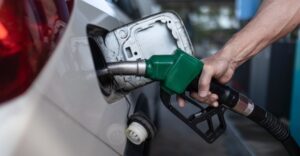
Even if there is indeed a peace agreement between the United States and Iran this time — and that remains a very big “if” — consumers should not expect the crisis at the gas pump to end the next day. Diplomacy may stop the war, but it cannot instantly erase the costs that have already filtered into markets, transportation, inventories, and retail prices.
When fuel prices rise, they rise like a rocket. But when they fall, they drift down slowly like a feather.
That is the key point behind the discussion of a possible agreement. The reopening of the Strait of Hormuz, if it truly happens and does not remain only on paper, would bring some immediate de-escalation. Oil prices have already shown that they react positively to any sign of progress. But the journey from easing tensions in international markets to lower prices at the gas station is longer, slower, and politically more painful.
In the United States, the average price of regular gasoline stands at $4.54 per gallon. Before the war, it was just under $3. The gap is enormous — and not only economically. It is also political, as midterm elections approach and gasoline prices remain one of the clearest ways citizens measure pressure on their daily lives.
Hormuz may reopen — but the market does not forget
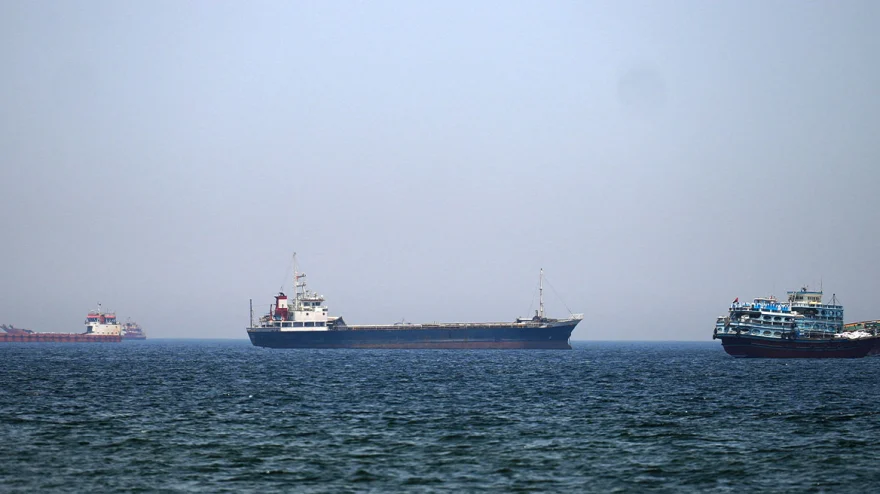
Even if Tehran agrees to fully reopen the Strait, a return to normal will not happen automatically. Tankers do not return to a war zone simply because a statement was issued. Shipping companies must be convinced the passage is safe. Insurers must reduce war-risk premiums. Gulf producers must increase output again after cutting production when export routes became unsafe. Buyers must restore contracts, schedules, and supply flows. None of this happens within a week — or even a month.
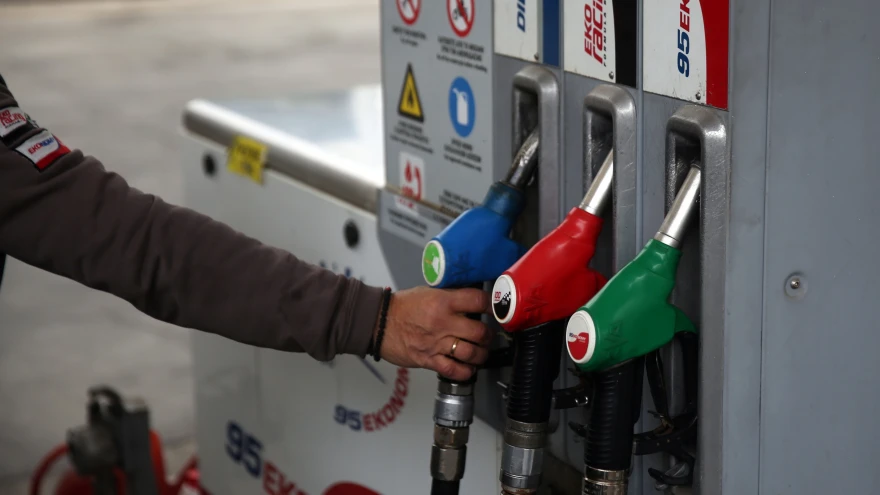
Market analysts estimate that even under a favorable scenario, it would take several months for traffic through Hormuz to return to prewar levels. A gradual reopening over 30 days is considered overly optimistic. A true recovery in volumes would come later, once markets see that the agreement is not merely a temporary pause but a genuine change in conditions.
The first drop will come quickly — the full return will not
The most likely scenario is that prices move in three phases.
In the first phase, markets would react quickly. If the Strait of Hormuz reopens credibly and initial flows resume, oil prices would come under pressure. That could pass relatively quickly into gasoline prices as well — but not enough to immediately change the reality for the average driver.
In the second phase, de-escalation would slow down. Expensive inventories already purchased would still need to be sold. Companies would wait to see whether the agreement holds. Gas stations would lower prices gradually, not suddenly. Fuel markets always display this asymmetry: prices rise quickly when oil becomes more expensive, but fall slowly when crude declines.
In the third phase, a return to prewar levels would depend on something much more complex: whether the world once again believes the Persian Gulf is predictable. If that does not happen, a geopolitical risk premium will remain embedded in prices — and economies and consumers will continue paying for it.
Patrick De Haan, head of petroleum analysis at GasBuddy, estimates that roughly one-third of the war-driven price increase could disappear within one to three months. The next third could take three to six months. A full return to prewar prices, however, might not occur before early or mid-2027.
That is the message that does not fit neatly into a political slogan: even if the war ends, its energy shadow will remain.
The problem of expensive inventories and the “rockets and feathers” effect
There is also a less geopolitical but equally decisive reason gasoline prices will not fall immediately. Gas stations and distribution chains have already purchased fuel at higher prices. Those inventories must be sold before lower costs can be passed on to consumers.
This is the classic mechanism of fuel markets: prices rise like rockets and fall like feathers. When crude oil becomes more expensive, the increase reaches the pump quickly. When crude falls, the reduction comes with a delay. To drivers, this feels unfair. To the market, it is simply part of how the system functions. For political leaders, however, it is a problem because public opinion does not measure de-escalation through oil futures. It measures it by the amount paid to fill a fuel tank.
That means even a successful peace agreement may not immediately deliver the political benefit the White House would hope for. The government may point to international prices and speak of a trend toward de-escalation, but voters will still look at the pump.
The new precedent Iran leaves behind
The most difficult factor is not technical. It is strategic.
Even if Iran emerges from the conflict under military pressure, it has already demonstrated something critical: it can use the Strait of Hormuz as a tool of leverage. It does not necessarily need to keep it closed forever. It only needs to convince markets that it could threaten closure again.
That changes the landscape.
From now on, every future crisis involving Tehran will carry this precedent. Shipping companies will price risk more aggressively. Insurers will demand higher premiums. Governments will feel pressure to invest in alternative routes, pipelines, and infrastructure that reduce dependence on Hormuz.
In other words, even if the passage reopens, it will not be exactly the same passage as before. Geography does not change — but perceptions of risk do. And in energy markets, perceptions of risk have a price.
Elections and the politics of the gas pump
For Donald Trump, the issue is not only diplomatic. It is domestic and deeply political. A deal with Iran could be presented as a success. It could reinforce the argument that pressure worked, that Tehran was forced to negotiate, and that the war is moving toward an end. But elections are not decided only by foreign policy announcements.
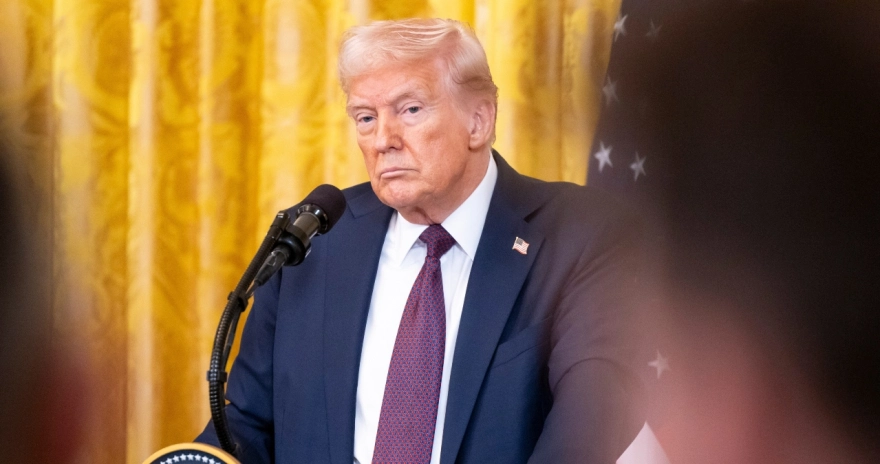
They are also decided by whether people feel their lives are becoming cheaper or more expensive. If gasoline remains expensive through the midterm elections, the political gains from diplomacy will be limited. Democrats will continue arguing that the middle class is still paying the cost of war. Republicans will try to show that de-escalation has begun, even if it has not yet reached consumers’ wallets. As always in American politics, the gas pump functions as a daily opinion poll.
Peace ends the war — not the crisis
The main conclusion is that a U.S.–Iran agreement would be important. It would reduce the risk of a broader regional escalation. It would pave the way for the gradual restoration of energy flows. It would relieve some pressure from international markets. It would give governments and businesses a framework for rebuilding normality.
But it would not make gasoline cheap overnight.
The Strait of Hormuz would still need to reopen fully. Ships would need to return. Producers would need to increase shipments. Insurers would need to reduce risk premiums. Expensive inventories would still need to move through the market. And above all, markets would need to believe that Iran would not close the same route again during the next crisis.
That is why peace, if it comes, would only mark the beginning of de-escalation — not the end.
Gasoline prices in the United States would most likely decline in the months following the end of the war. But a return to pre-conflict levels would probably not come before the end of the year — and it may take until 2027 before anyone can speak of true normalization.
War may end with an agreement. Its energy costs, however, will continue moving much more slowly — through markets, shipping routes, and ultimately the gas pump.
Ask me anything
Explore related questions




