> analysis
> analysis
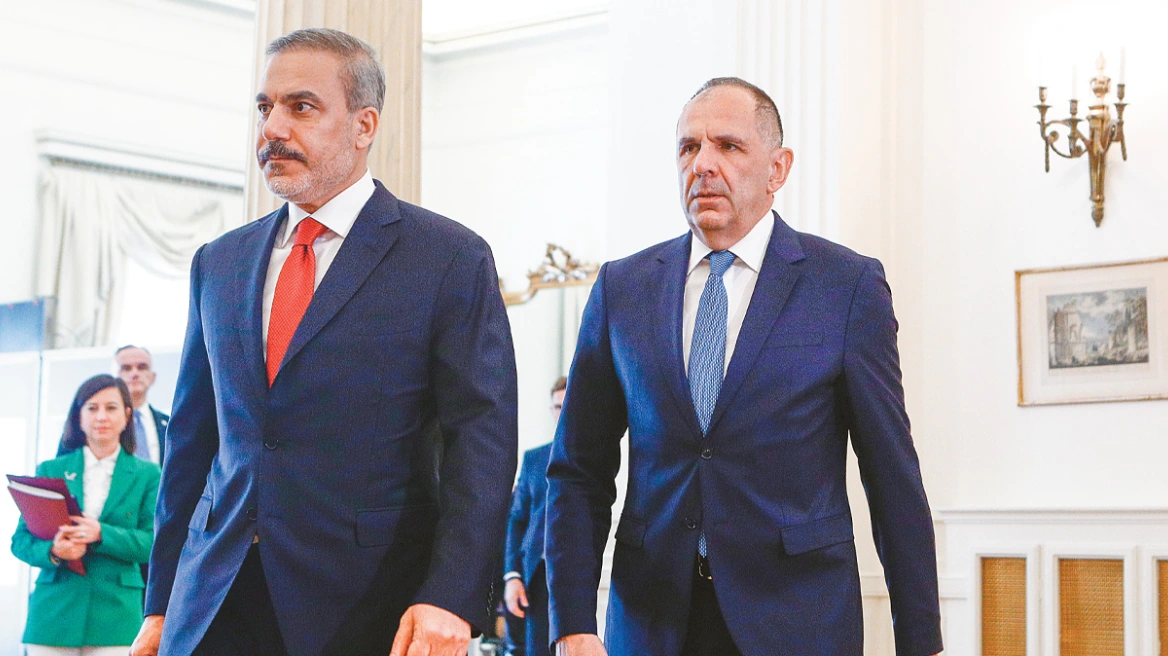
The ‘Achilles Shield’ and the cable: The next crash tests with Turkey in the Aegean
Erdogan is now linking Greek-Turkish disputes with the strategic relationship between Greece and Israel and is renewing his demand for the demilitarisation of the islands – Athens invokes the right of self-defence and is preparing to issue a NAVTEX for the laying of the cable linking Greece, Cyprus and Israel
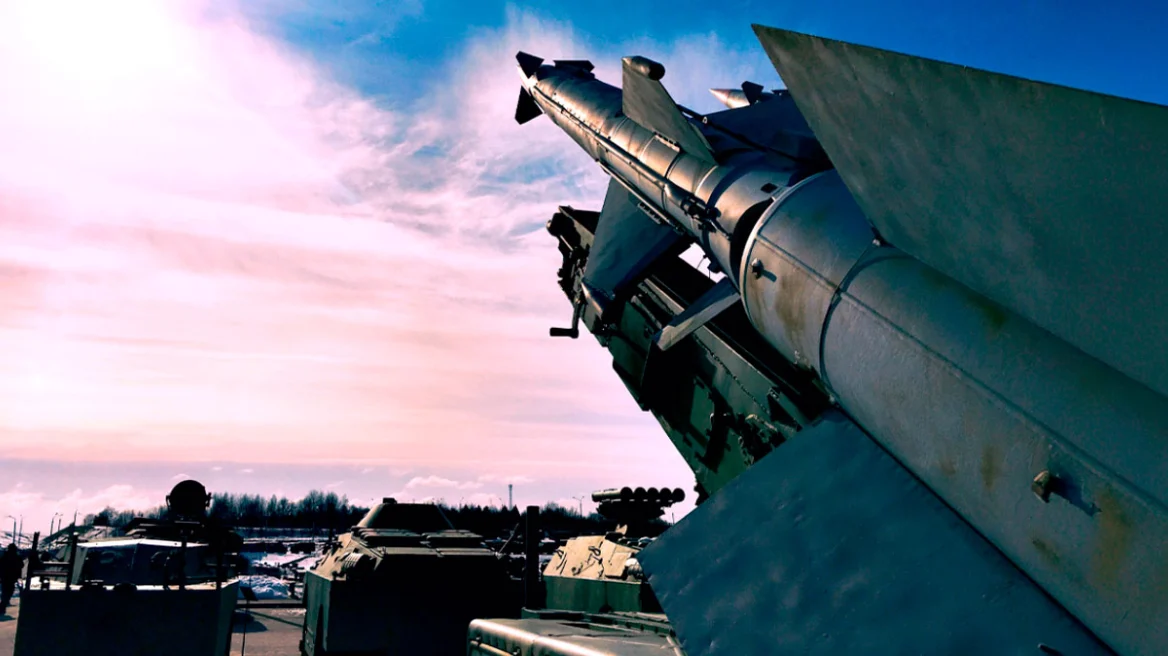
“Achilles’ Shield”: How Greece’s new air defence umbrella is taking shape
Giannis Charamidis & Marinos Aleiferis explain why the agreement with Israel is far more than a missile purchase - Israel’s SPYDER, BARAK MX and David’s Sling systems will be linked into a single operational picture

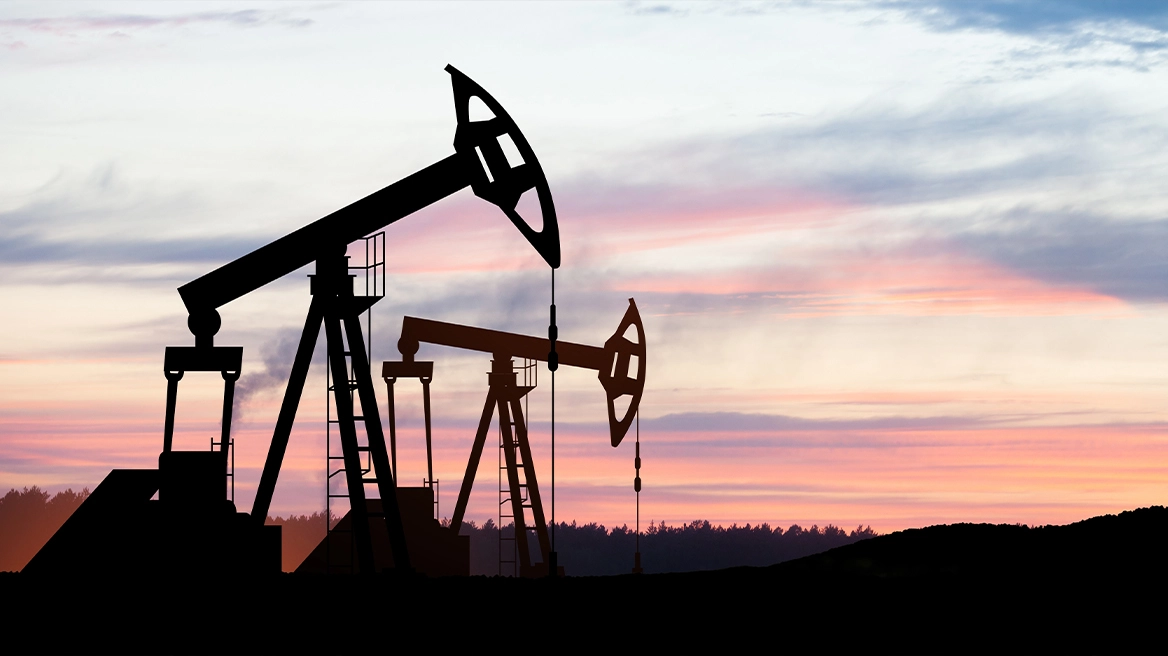
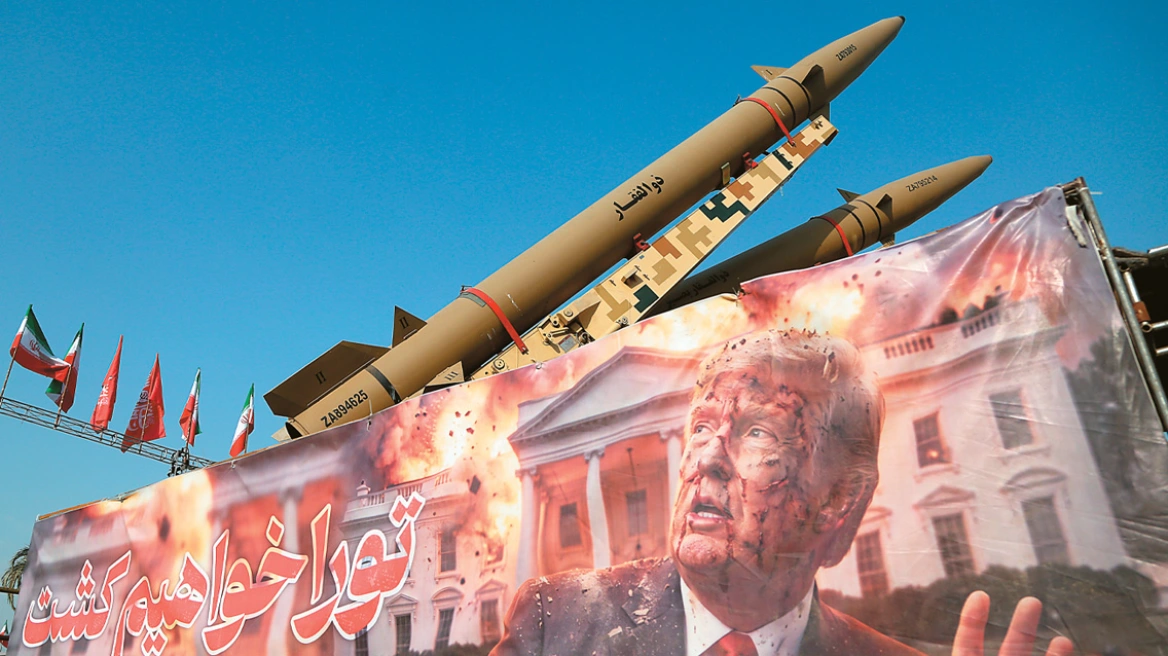
The numbers of the War in Iran: 7,900 dead, oil up 22%, only 7 ships a day passing through the Strait of Hormuz, $37.5 billion cost for the US
Six months after the US & Israeli attack on Tehran, the figures from the conflict, which still has no visible end, reveal the scale of the consequences for the parties involved
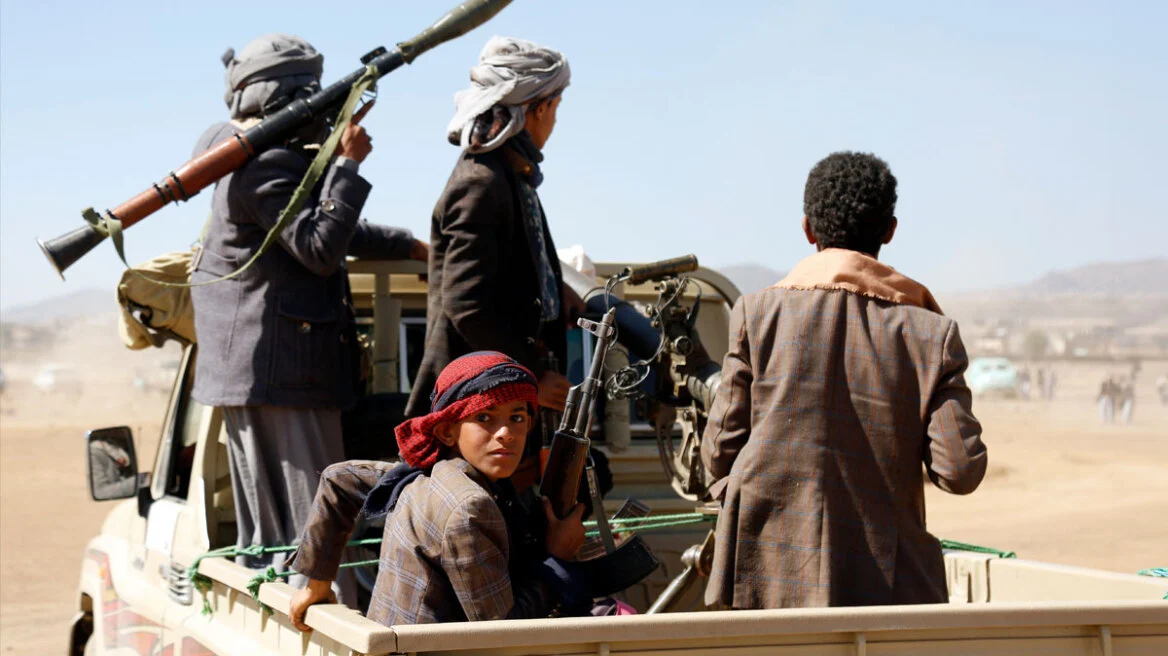
The Houthis, the Middle East’s “unsolved problem”: Why a thousand strikes were not enough to stop them
The US, Britain & Israel targeted infrastructure & leadership, but the threat remains - Missiles & drones threaten Saudi Arabia again, while Bab el-Mandeb is once again becoming a bottleneck
Final Four: Panathinaikos’ journey, analysis and commentary — watch the Protothema live show
Presented by: Charalambos Sarantinakis, Dimitris Mavroeidis, and Anastasia Zarka – Guests: Evina Maltsi, Dimitris Priftis, Michalis Kakiouzis, Giorgos Vovoras

Analysis: Even if peace comes to the Middle East now, it will still take a long time for fuel prices to fall
Even if a U.S.–Iran agreement is reached and the Strait of Hormuz reopens immediately, fuel prices are unlikely to return quickly to their early-2026 levels. Markets will need months to be “convinced” that the danger has truly passed. This is the well-known “rockets and feathers” phenomenon