





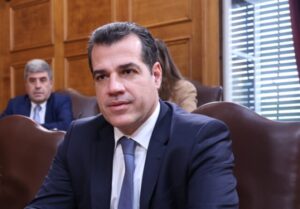
Harder measures than the suspension of asylum processing may be introduced if migration flows remain at high levels, Immigration Minister Thanos Plevris said in response to a topical question by KKE MP for Heraklion, Emmanuel Syntychakis.
According to data presented by Mr. Plevris in Parliament, Crete is currently the main entry point. He noted that 600 arrivals were recorded yesterday alone, 40% of them in Heraklion.
“If what happened yesterday is not an exception but becomes the norm, we will take very strict measures, which we have already discussed with the Prime Minister—much tougher than simply suspending asylum,” Plevris said. He added that “we will not allow a repeat of what happened in 2015, when one million people crossed and remained in the country. Greece has borders, and they are being guarded.”
In Chania, in cooperation with regional governor Stavros Arnaoutakis, a site has been identified for a closed facility where screening procedures will take place. However, the situation in Heraklion remains unresolved. “I have received a written letter from the mayor stating that no suitable space can be found,” he said, noting that locations in Skalani, Gazi, Malades, and the old highway service station had been examined.
Plevris added that from June 12, the new Migration Pact will be fully implemented. Under its provisions, individuals likely to be granted asylum will be accommodated in open structures, while others will be held in closed facilities under detention, with applications reviewed within 12 weeks and deportation carried out in cases of rejection.
KKE MP Emmanuel Syntychakis criticized the government, accusing it of “covering up criminal EU and NATO policies that caused the refugee crisis,” and spoke against closed detention centres. Plevris responded sharply, saying: “You are essentially arguing that people should be released to go wherever they want—but not in Heraklion. We will protect Greek citizens.”
Ask me anything
Explore related questions




