





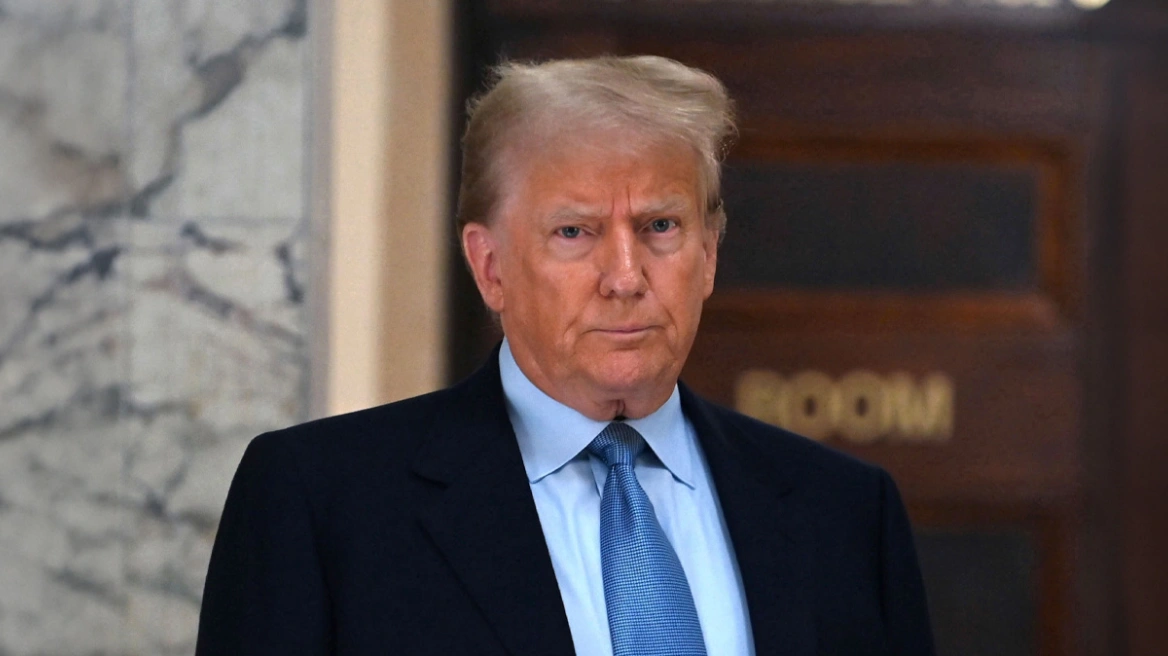
President Donald Trump announced yesterday the signing of an agreement between the United States and Iran today to end the war in the Middle East, while Tehran has not confirmed the date at this stage.
While the U.S. president predicted the immediate reopening of the Strait of Hormuz, information from both sides regarding a possible initial agreement—which would open the way for technical-level negotiations—shows discrepancies and an unclear timeline.
However, following the recent attacks over the past week and fears of a new regional escalation, the two countries have suggested that significant progress has been made toward a compromise.
“Within 24 hours”
Pakistan’s President Shehbaz Sharif, whose country is acting as a mediator in the conflict, stated yesterday in a post on X that he expects the agreement to be “finalized” within the next 24 hours and that preparations are underway for its “electronic signing,” ahead of technical talks next week.
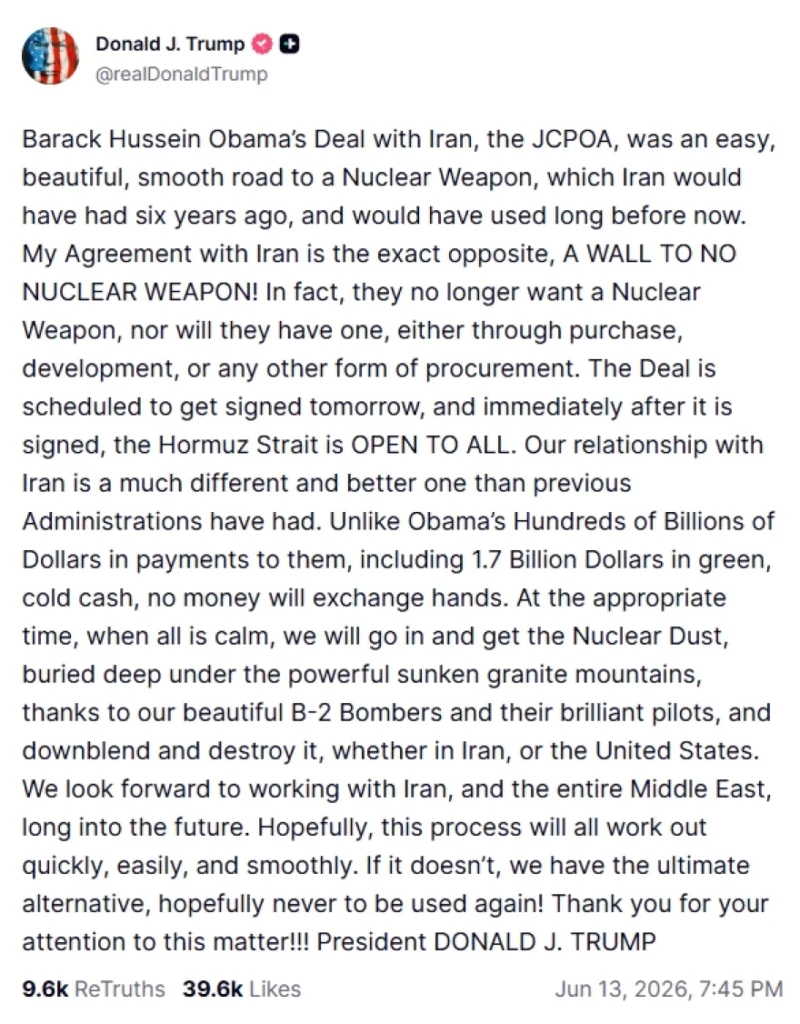
The U.S. president, who has repeatedly announced imminent agreements in the past without them materializing, later said that the signing is “scheduled” for today, the day of his 80th birthday.
“Once signed, the Strait of Hormuz will be OPEN TO EVERYONE,” the U.S. president wrote yesterday on Truth Social, adding that Iranians “no longer want a nuclear weapon.”
Iranian diplomacy, on its part, referred to an agreement “in the coming days,” but not today, according to the state news agency IRNA.
Some of the reported concessions have sparked reactions from conservative leaders. Last night, an Iranian news agency released a video showing dozens of protesters chanting slogans against Iran’s Foreign Minister Abbas Araghchi.
Netanyahu convenes security cabinet meeting
The announcement of the agreement has alarmed Israel. Prime Minister Benjamin Netanyahu is expected to hold a security cabinet meeting tonight, according to Israeli media reports.
According to Channel 12, senior Israeli officials are expressing strong concern over the content of the agreement, arguing that the terms of the memorandum “put Israel’s security interests at risk.”
The same sources report that the United States is believed to have accepted “key demands” from Tehran, a development that is causing concern in Israel regarding the direction of the negotiations.
Ask me anything
Explore related questions




