





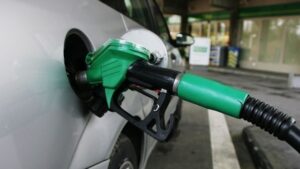
Fuel prices fuel have returned to near pre-crisis levels in recent days, as a result of the decline in international prices and, consequently, in refinery, wholesale, and retail prices at gas stations. For diesel fuel, the price subsidy implemented starting in April played a key role, gradually decreasing in line with the decline in international prices.
According to data presented by the president of the Association of Petroleum Marketing Companies, Yiannis Aligizakis for the last four months (since the start of the war):
•International gasoline prices between February 27 and June 26 rose by 26.4% for gasoline and by 18% for diesel.
•Refinery prices during the same period rose by 12.1% and 2%, respectively.
•Retail prices in Attica rose by 9.3% and 1.8%, respectively.
He emphasized that decreases in international prices are generally passed on to retail prices with a delay of about 4 days, which is the time it takes to restock gas station inventories. He also described the diesel subsidy as particularly effective in curbing price increases, which, for this specific fuel, have secondary effects on the production and transportation costs of goods, and thus on inflation overall.
Compared to the highs reached during the war, the decline in the average price of gasoline is in the range of 20 leptes per liter, and for diesel fuel, over 40 leptes per liter.
It should be noted that the subsidy for diesel (including VAT) was 20 lept per liter for April and May and 15 lept for June.
Ask me anything
Explore related questions




