





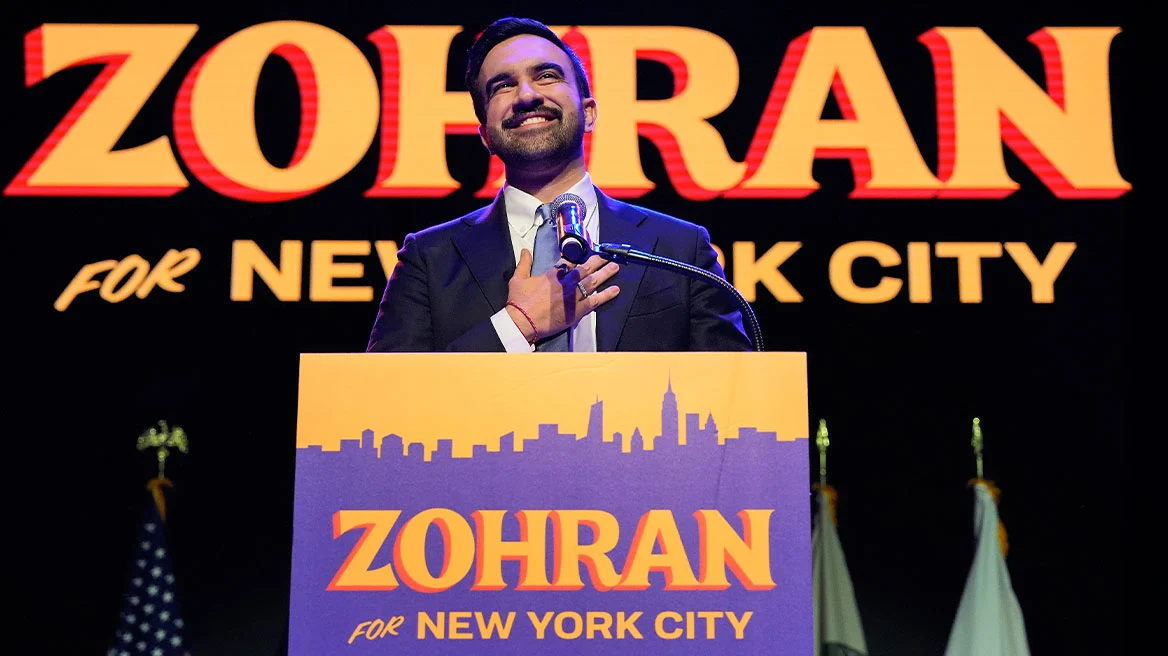
New York City’s official “Immigrant Enclaves” map has ignited controversy among Greek-Americans, particularly those tied to Astoria, Queens, after it highlighted newer immigrant areas while overlooking the neighborhood’s longstanding role as the heart of Greek America.
Released by the Mayor’s Office of Immigrant Affairs under Mayor Zohran Mamdani as part of a tourism initiative ahead of the 2026 FIFA World Cup, the map spotlights 30 ethnic communities across the five boroughs. It includes “Little Egypt” in Astoria along Steinway Street and Astoria Boulevard, along with enclaves like Little Poland, Little Yemen, and various Chinatowns. However, it makes no mention of Astoria’s historic Greek-American community.
Astoria has been a cornerstone of Greek-American life for decades. Since the 1960s, waves of immigrants from Greece and Cyprus transformed the neighborhood into one of the largest Hellenic communities in the United States. Greek Orthodox churches, language schools, tavernas, bakeries, and family businesses became defining features of the area. Athens Square Park served as a vibrant gathering spot for cultural festivals, traditional dances, and community events. While many Greek-Americans later moved to suburbs, Astoria remains a powerful symbol of Greek heritage, with Greek-owned businesses, Greek-speaking residents, and enduring cultural institutions continuing to shape Queens’ identity and economy.
Greek-American organizations, including AHEPA, have called the omission “deeply disappointing.” Leaders argue that the map fails to honor generations of Greek immigrants who built churches, schools, businesses, and civic institutions that enriched New York City.
Other affected communities include historic Italian, Irish, and Jewish enclaves. The map initially left out Manhattan’s Little Italy, prompting Italian-American organizations to voice outrage over the snub of one of the city’s most iconic immigrant neighborhoods. Irish communities in areas like Woodlawn in the Bronx and Breezy Point in Queens, along with traditional Jewish neighborhoods on the Lower East Side, were also absent from the list. Critics argue the selective focus on newer or specific enclaves diminishes the foundational role these European and Jewish immigrant groups played in building modern New York City, from cultural landmarks and businesses to political influence across generations.
Critics have attributed the map’s emphasis on other enclaves like Little Egypt, Little Yemen, and Little Palestine to Mayor Mamdani’s Muslim background. As New York’s first Muslim mayor—with roots in a Shia Muslim family of Indian-Ugandan descent—Mamdani has faced accusations of favoring Muslim immigrant communities in official promotions. Detractors, including voices on social media, claim this personal identity influenced the choices, prioritizing certain newer Muslim-majority areas while sidelining longer-established Christian and Jewish ones.
Mayor Mamdani’s office attempted to excuse themselves stating that the project began under the prior administration, something however that does not remove their responsibility nor did it reduce the reactions from the affected communities.
Ask me anything
Explore related questions




