





If Albanian construction workers can point to a golden period in Greece that contributed to their economic rise, it was the years leading up to and following the 2004 Olympic Games, when construction activity reached its peak.
It is estimated that at the time (2005-2006), the actual number of Albanian immigrants in Greece stood at around 600,000 or slightly higher, with officially registered legal residents numbering between 440,000 and 500,000.
Studies from that period indicated that approximately 32% of employed Albanian men worked in construction, a sector they had come to dominate, representing around 75% of all foreign workers in the building industry.
It is estimated that during that period, around 120,000 to 150,000 Albanian citizens worked in Greek construction, including seasonal and informal employment. Workers of this nationality were often preferred because most had at least basic knowledge of the Greek language and could communicate more easily with other workers. In previous years, Albanian labourers had also gained a reputation for being hardworking and reliable.
Some had already acquired skills or experience in specific areas of construction in their home country, while the majority were unskilled workers — a category for which the Greek market had a strong demand.
Over years of employment on construction sites, many unskilled workers gained experience and specialised in specific areas of the building sector, areas in which both they and contractors sought to employ them.
The prosperous years significantly improved their social standing, as jobs were plentiful and wages were high. This continued until the deep economic crisis that hit Greece, devastating the construction sector.
With construction activity almost collapsing, falling by more than 80%, difficult years followed. Jobs disappeared and tens of thousands of migrants were forced to return to their home country. A large number also migrated to Northern Europe, which at the time was seeking construction workers and offered opportunities such as residence permits, housing support, schooling for children and significantly higher wages.
100,000 returned
It is estimated that more than 75,000-100,000 Albanians returned to Albania or migrated again to northern European countries. Many had acquired Greek citizenship and realised they held a valuable advantage because of their access to the European Union.
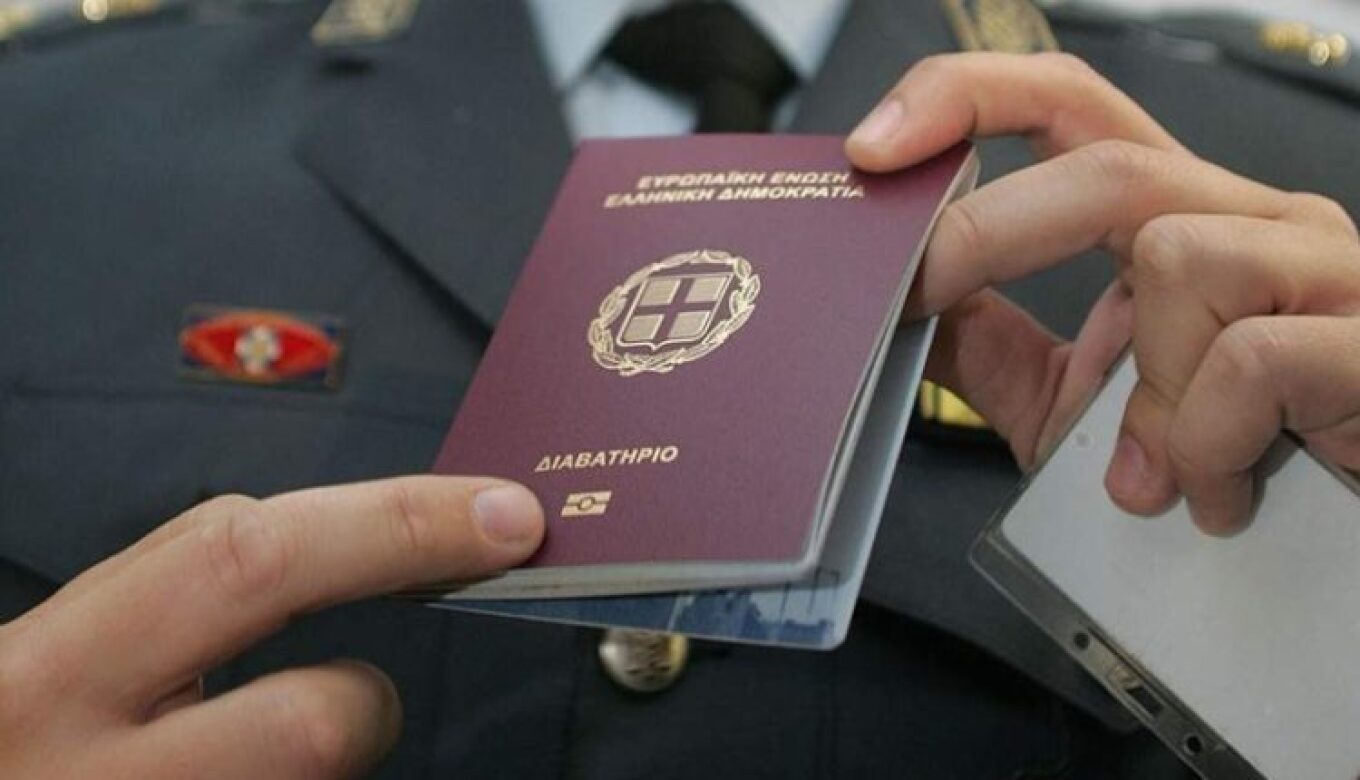
They managed to move to countries such as Germany, the United Kingdom, Sweden and elsewhere, where they found employment relatively easily and at very good salaries. As unemployment hit the devastated construction sector, the number of active Albanian builders in Greece declined sharply. The number of insured foreign workers in construction registered with Greece’s Social Security Institute (IKA) also fell significantly.
Specifically, the number of Albanian construction workers employed in Greece dropped to fewer than 30,000, with the majority surviving through small repairs, renovation work and maintenance projects, particularly in tourist areas, as apartment construction and major projects had come to a standstill.
What is happening today
With the economic crisis now behind Greece, conditions have changed. The country is experiencing a construction boom driven by strong demand for residential properties, a wave of investment activity and the expansion of tourism, which has attracted additional investments — excluding major projects such as Ellinikon and numerous other developments across the country.
The circumstances are different, and so are the people involved.
The majority of first-generation Albanian construction workers — those who arrived in Greece during the large migration wave from neighbouring Albania in the 1990s — have now retired.
The second generation was hit by the financial crisis and many migrated either to other European countries or back to Albania, where the reconstruction of the Albanian coastline and Tirana has created demand for skilled workers.
However, a significant number remain in Greece. Among the older generations, many former low-paid Albanian workers have now become business owners in various sectors.
Former construction workers, for example, have evolved into owners of construction crews or small-scale contractors employing Greek technicians, while many have established service companies and businesses across different industries.
According to research and data from the Athens Chamber of Tradesmen (EEA), the construction sector — including contractors and technical companies specialising in renovations, plastering, painting and tile installation — accounts for the largest share of the 4,460 Albanian-owned tax registration numbers (AFMs) in Athens.
Nationwide, out of approximately 10,000 Albanian entrepreneurs across Greece, it is estimated that more than half (over 5,000) operate as owners of small, medium or large construction and technical companies.
From daily wages to investments
How did they move from daily labour to contracting?
Albanian migrants who arrived in Greece in the 1990s as unskilled workers gradually acquired extensive technical knowledge and expertise in the Greek construction industry.
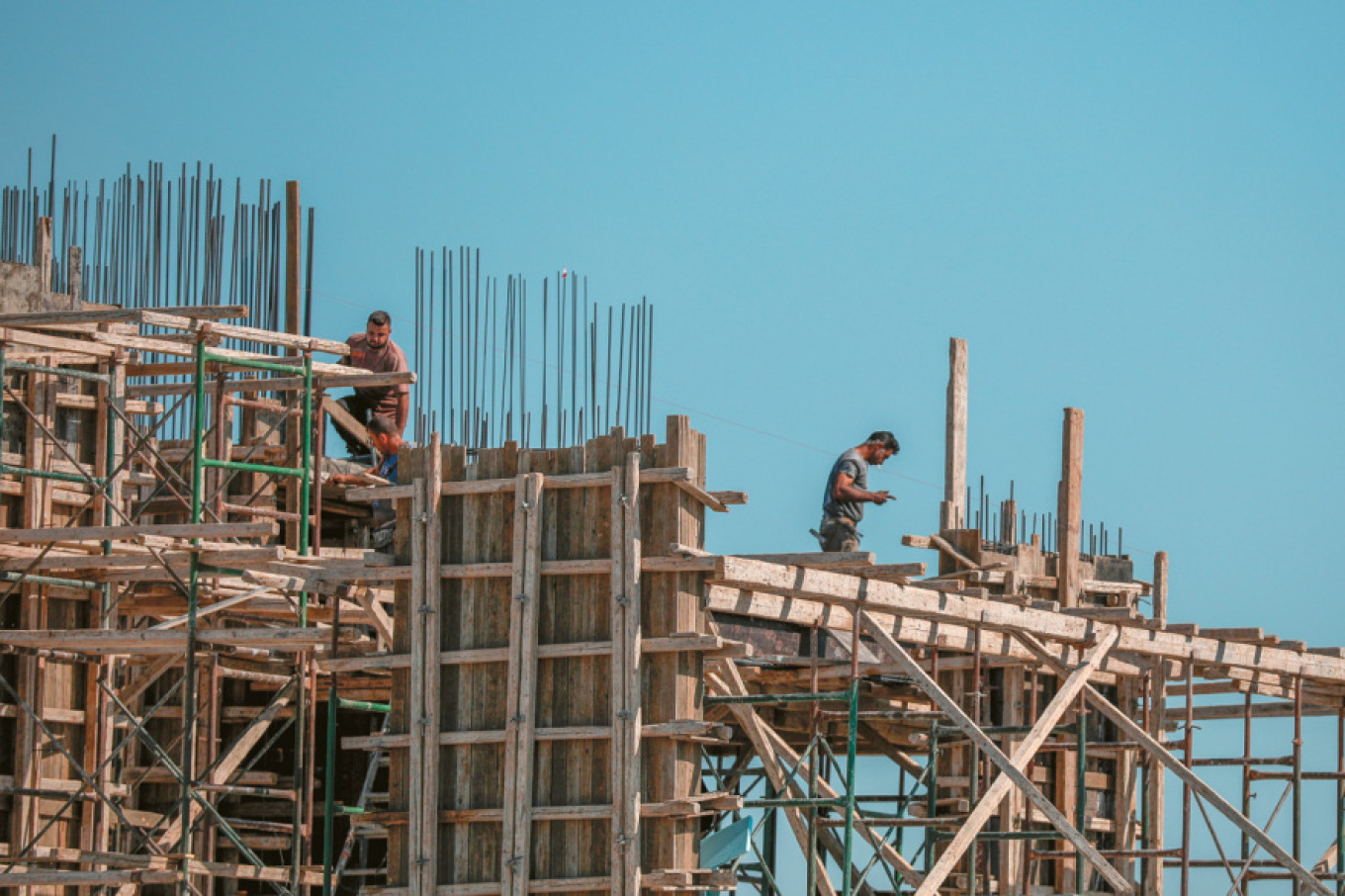
Over time, they became skilled craftsmen, then subcontractors, and today many are legally established owners of construction companies undertaking major projects and renovations.
Many of these now mature construction businesses have expanded significantly and employ Greek workers as staff. Their role in Greece’s domestic construction sector has become so substantial that increased bilateral activity has been recorded, including the participation of Albanian construction groups in major Greek industry exhibitions and investments in real estate.
Beyond business owners, the total number of active Albanian construction workers in Greece — including craftsmen and contractors — is estimated today at around 20,000 to 25,000.
Although they remain the main workforce in specialised crews and contracting projects, their numbers have declined considerably compared with the past. The labour shortage they have left behind in the unskilled workforce needed by the construction sector — estimated at around 20,000-25,000 workers — is now being addressed through bilateral agreements to bring workers from Asia and Egypt.
Ask me anything
Explore related questions




