





The Recovery and Resilience Facility (RRF), which became part of Greece‘s economic landscape in March 2021, is heading toward its final revision before its definitive completion, without any extension. The program concludes on August 31.
Disbursements from the European Union will stop in mid-October, but its economic impact will not end there. The projects and investments that were approved will continue through 2029, maintaining their influence on the economy for several more years.
As the program reaches its conclusion, the key question is no longer how much money Greece received, but what legacy the nearly €36 billion contributed to the country has left behind. Many initiatives that began as pilot programs, reforms that had remained on paper for years, and major projects that had stalled were implemented, creating a lasting legacy for the economy, the state, and society.
The Political Assessment
The Recovery Fund was born during Europe’s deepest postwar crisis. The pandemic paralyzed economies, strained healthcare systems, and forced governments to spend unprecedented sums to support workers and businesses.
The European Union’s response, with Greece playing a decisive role in the decision-making process, was the creation of NextGenerationEU. For the first time, the EU borrowed collectively from international markets to finance not only the recovery from the pandemic but also the transformation of European economies.
For Greece, this represented a unique opportunity. The revised “Greece 2.0” plan amounts to €35.95 billion, of which €18.22 billion consists of grants and €17.73 billion of low-interest loans, making it proportionally the largest funding package among EU member states.
However, from the outset, the program became the focus of intense political debate and criticism. The opposition has criticized revisions, changes, and what it describes as “discounts” compared with the original “Greece 2.0” plan, as well as the way resources were allocated. It argues that a significant portion of the loans was directed to large companies through banks rather than being distributed “centrally” by the state to small businesses, which have limited access to the banking system.
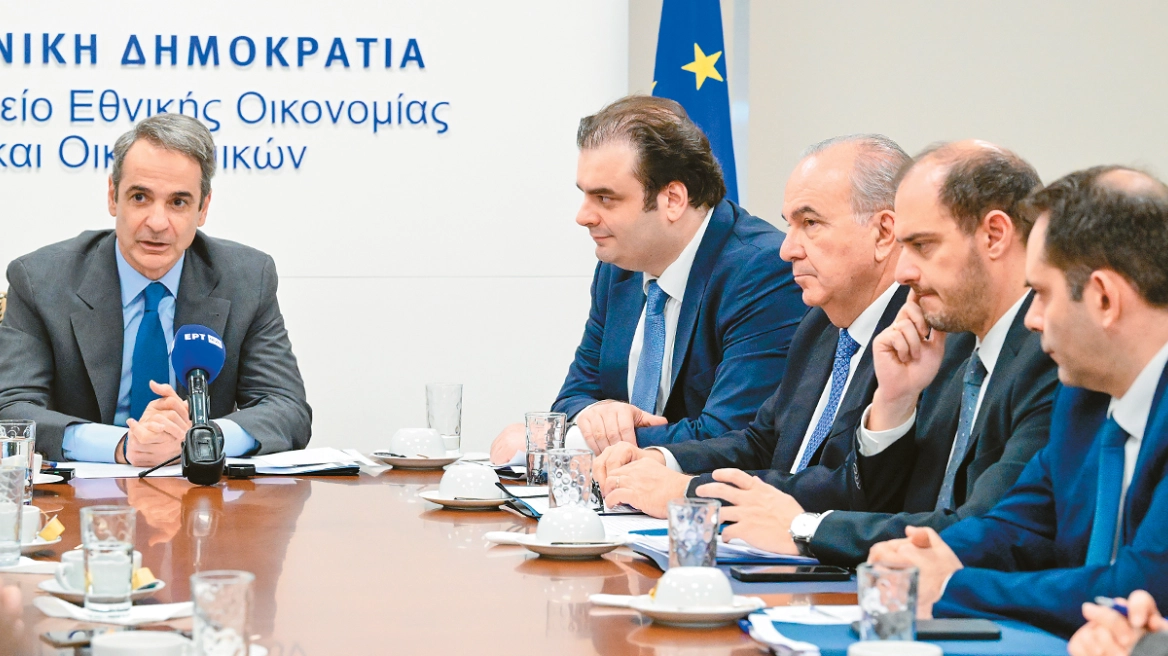
The Alternate Minister of National Economy and Finance, on the other hand, emphasizes that the resources were fully utilized “down to the last euro” to address long-standing investment gaps, modernize the state, and increase the competitiveness of the economy.
He also notes that, exclusively for small and medium-sized enterprises (SMEs), loans totaling around €2 billion (out of the Recovery Fund’s total €17.7 billion in loans) were secured. Even after the program ends on August 31, these loans will continue to be provided through the Hellenic Development Bank, attracting additional resources from the banking system and channeling them into new financing instruments for the benefit of Greek businesses.
The real assessment, however, cannot be made solely in political terms or based only on the absorption of funds. The nearly €36 billion was not distributed as simple subsidies but financed thousands of small and large-scale interventions: from hospitals and schools to housing programs, energy infrastructure, digital services, transportation, business investments, and projects intended to transform the country’s productive model.
The Impact
The outcome is reflected not only in the projects completed but also in key economic indicators. According to estimates by the European Commission, the “Greece 2.0” plan will increase GDP by 4.5% in 2026, while total investment is expected to more than double, from €20.3 billion in 2019 to €46.3 billion in 2026. At the same time, the investment-to-GDP ratio is projected to rise from 11% to approximately 17.7%, while around 30,000 new jobs are estimated to have been created.
Behind these figures are millions of individual stories: the citizen who underwent free preventive health screening and detected a serious illness early; the young couple who bought their first home with lower monthly payments; the SME that modernized its operations; the student who entered a digital classroom; the passenger traveling on an electric bus; or the citizen who completed a government transaction from a mobile phone.
Where the Money Went
The €18.22 billion in grants was directed mainly toward public investment, social policies, and reforms. The €17.73 billion loan component was designed to support private investment while simultaneously leveraging bank financing and companies’ own capital.
For the first time in decades, Greece simultaneously implemented hundreds of projects and reforms: industrial investments, government digitalization, smart energy grids, electric buses, renovated hospital emergency departments, free preventive health screenings, low-interest housing loans, residential energy upgrades, interactive classroom boards, and civil protection projects against natural disasters.
How €36 Billion Became €46 Billion in Investments
The Recovery Fund’s greatest innovation was that it did not function as just another subsidy program. Around €13.3 billion from the loan component was combined with bank lending and private equity, mobilizing investment projects worth more than €30 billion. Together with financing tools from InvestEU, the Hellenic Development Bank, and other financial mechanisms, total investment mobilization approaches €46.3 billion.
The objective was to increase private investment, create new production facilities, strengthen exports, and reduce the investment gap left by the decade-long economic crisis. This is perhaps the program’s most significant economic legacy: it did not merely finance projects but sought to create a new cycle of economic growth.
In practice, nearly all the Recovery Fund’s resources ended up in the real economy. Whether through major public works, training programs, healthcare services, home renovations, or energy-efficiency interventions, the funds flowed into the market, creating an unprecedented wave of investment.
The major difference compared with previous European funding programs, however, was the loan component. Rather than being limited to grants, the Fund used low-interest loans as a lever to attract private capital and bank financing.
Major Productive Investments
The largest amounts of funding were, unsurprisingly, directed toward large companies capable of implementing complex investment projects. In total, 75 companies—both private firms and entities of public interest—participated in projects with a combined value of approximately €9.5 billion, either as final beneficiaries or as contractors for major projects.
In the pharmaceutical industry, companies such as DEMO and VIANEX are expanding their production facilities and investing in research and development, strengthening exports and domestic manufacturing. Likewise, Fulgor is expanding its facilities for the production of submarine power cables used in European electricity interconnections.
Similar investments are being made in manufacturing, agribusiness, the chemical industry, renewable energy, logistics, and new technologies, with the shared objective of producing higher value-added products.
Small and Medium-Sized Enterprises (SMEs)
At the same time, around 90,000 SMEs participated in digital transformation initiatives, while more than 15,700 made use of the Recovery Fund’s financing tools for investment projects.
Through more than 26 programs, grants totaling €1.66 billion were approved for digital investments, manufacturing, agribusiness, energy upgrades, research, and innovation. In addition, 519 investment agreements have already been signed under the loan component, with a total budget of approximately €6 billion.
The new financing instruments also played a decisive role. Through InvestEU, approximately 15,170 SMEs are expected to receive financing, mobilizing investments of more than €3 billion, while additional financing tools are expected to support up to 20,000 more businesses, with total investment mobilization of around €5 billion.
Most SMEs used the funds for ERP and CRM systems, e-commerce platforms, cloud services, electronic invoicing, cybersecurity, production automation, new industrial equipment, and energy-saving projects.
For many businesses, the greatest benefit was not the subsidy itself but access to financing that enabled them to modernize, increase productivity, and enter new markets. However, SMEs continue to obtain funding—almost entirely—from the ESPA (EU Structural Funds) program, which remains in operation after the Recovery Fund expires.
Investing in the Future
Significant resources were also directed toward innovation. The Fund finances new venture capital funds for startups, research programs, and partnerships between universities and businesses.
At the same time, projects such as the Greek supercomputer “Daedalus,” Greek microsatellites, new artificial intelligence infrastructure, and data centers are progressing, with the goal of strengthening Greece’s role as a regional hub for digital services.
Green Transition
The Recovery Fund’s resources are not directed solely toward solar and wind farms. It also finances electricity storage projects with a total capacity of approximately 700 MW, with the pumped-storage hydroelectric project in Amfilochia as the flagship example, along with electricity interconnections, smart grids operated by HEDNO (DEDDIE), and 152 private investments in renewable energy sources.
The objective is a more secure and efficient energy system, greater use of renewable energy, and a gradual reduction in energy costs. At the same time, the country’s first major investments in green hydrogen, considered a key technology for the coming decade, are underway.
Fiber Optics and the Digital Economy
Particular emphasis was also placed on telecommunications. Through the Recovery Fund, the rollout of fiber-to-the-home (FTTH) networks accelerated, mobilizing approximately €602 million in private investment, while more than 300,000 citizens took advantage of the Gigabit Voucher program for ultra-high-speed internet connections.
These investments are considered a fundamental prerequisite for the development of the digital economy, remote work, cloud services, and new business models that require reliable high-speed infrastructure.
The Impact on Citizens
Although the Recovery Fund’s primary objective was to transform the economy’s productive base, its most visible impact has been on citizens’ daily lives. Healthcare has perhaps become the program’s most significant social legacy, as funding was directed not only toward renovating hospitals but also toward prevention, primary care, digital health services, and support for vulnerable groups.
The New National Health System (ESY)
The program financed improvements in 80 public hospitals and 146 Health Centers and Regional Multi-Purpose Clinics, including new medical equipment, upgraded emergency departments, energy-efficiency improvements, and digital systems, with the aim of improving patient care and reducing waiting times.
Prevention at the Center
The most significant change occurred before citizens even needed hospital care. Through the “Prolamvano” (“I Prevent”) program, the state identifies eligible individuals through electronic prescribing, sends notifications, and covers the cost of preventive examinations free of charge.
To date, approximately 6 million preventive screenings have been carried out for breast cancer, cervical cancer, colorectal cancer, and cardiovascular disease, while more than 300,000 citizens received findings that led to early diagnosis and treatment.
Similar programs have also been implemented for other clinical and preventive dental examinations (including breast screening and the Dentist Pass, among others).
Digital Health
The MyHealth application has surpassed 1.4 million downloads, providing access via mobile phone to electronic health records, prescriptions, and referrals.
The 1566 healthcare call center has handled more than 2 million calls, while 305 telemedicine stations have been established, improving access to specialized healthcare services for residents of islands and remote regions.
Mental Health
The creation of 106 new mental health facilities is being financed for children, adolescents, people with autism, dementia, Alzheimer’s disease, and addictions, addressing major service gaps across many parts of the country.
New Healthcare Services
The Recovery Fund financed eight home healthcare units for elderly people and chronically ill patients, as well as approximately 26,800 free afternoon surgeries, helping reduce waiting lists.
Disability
The “Personal Assistant” program was expanded to 1,818 people with disabilities, promoting independent living rather than simply providing financial assistance.
At the same time, 1,267 homes and workplaces are being upgraded with accessibility improvements, the National Disability Benefits Portal was created, and more than 137,500 Digital Disability Cards have already been issued.
Family Support
Through the “Early Childhood Intervention” program, children up to six years old with disabilities or developmental difficulties gain access to diagnostic and therapeutic services.
At the same time, approximately 20,000 new childcare places are being created, while programs such as “Neighborhood Nannies” are being expanded, making it easier for new parents to remain in the workforce.
Education and Housing
If healthcare represented the Recovery Fund’s largest social intervention, education and housing were the two sectors where efforts were made to shape opportunities for younger generations.
Digital Education
The Recovery Fund financed the largest technological upgrade in Greece’s public education system.
A total of 39,194 interactive whiteboards were installed, more than 177,000 educational robotics and STEM kits were distributed, 13 Innovation Centers were established, and infrastructure for special education was strengthened.
At the same time, more than 500,000 pupils and university students, along with 166,000 teachers, received digital equipment.
The Digital Tutoring Platform already has more than 410,000 users, offering hundreds of hours of live instruction and thousands of digital lessons, while universities have been strengthened through joint master’s degree programs and new research collaborations.
The Fight for a First Home
The “My Home” program enabled approximately 15,000 young people to purchase homes through low-interest mortgages totaling nearly €1.7 billion, directly or indirectly benefiting more than 33,000 people. The effort now continues through “My Home II.”
More than 90,000 households upgraded the energy efficiency of their homes through the “Exoikonomo” (“Save Energy”) program, while thousands more installed solar water heaters, heat pumps, or photovoltaic systems, reducing their energy costs.
At the same time, social housing initiatives have begun through the renovation of properties to be offered as social rentals and through the introduction of the Social Land-for-Flats Exchange scheme.
Infrastructure and Everyday Life
The interventions also extended to infrastructure.
Work is being carried out at more than 8,600 hazardous locations on the road network, approximately 29,000 LED streetlights are being installed, 800 smart school crossings are being deployed, and monitoring systems are being installed on 419 bridges, while major projects such as the Northern Road Axis of Crete (BOAK) and the E65 motorway continue.
At the same time, water supply, sewerage, urban regeneration, and civil protection projects are being financed, with additional emphasis following the major wildfires and the floods in Thessaly.
In the energy sector, electricity storage projects, interconnections, smart grids, and renewable energy investments are progressing, while fiber-optic networks continue to expand.
The Digital State
The most immediate change in citizens’ daily lives has been the digital transformation of the public sector.
Through gov.gr, more than 2,255 new digital services have been added, while electronic transactions have exceeded 2.7 billion, significantly reducing bureaucracy.
The Recovery Fund’s Legacy
During the implementation of the program, several projects were revised or transferred to other financing instruments, as strict European deadlines, natural disasters, and emerging needs required changes to the original plan.
Nevertheless, Greece ranks among the countries that have made the greatest progress in achieving milestones and absorbing the available funds.
The final assessment will be made in the coming years. However, it is already clear that the Recovery Fund has left behind far more than funding alone: new infrastructure, significant reforms, and the foundations for a more productive, digital, and resilient economy.
Ask me anything
Explore related questions




