





It was the afternoon of 23 July when a 65 year old man lit a fire to burn dry grass on his field in Mati, a coastal settlement in the municipality of Marathon, northeast of Athens. It all began shortly after 5pm, when what seemed an innocuous fire developed into one of the deadliest wildfires ever recorded in Greece.
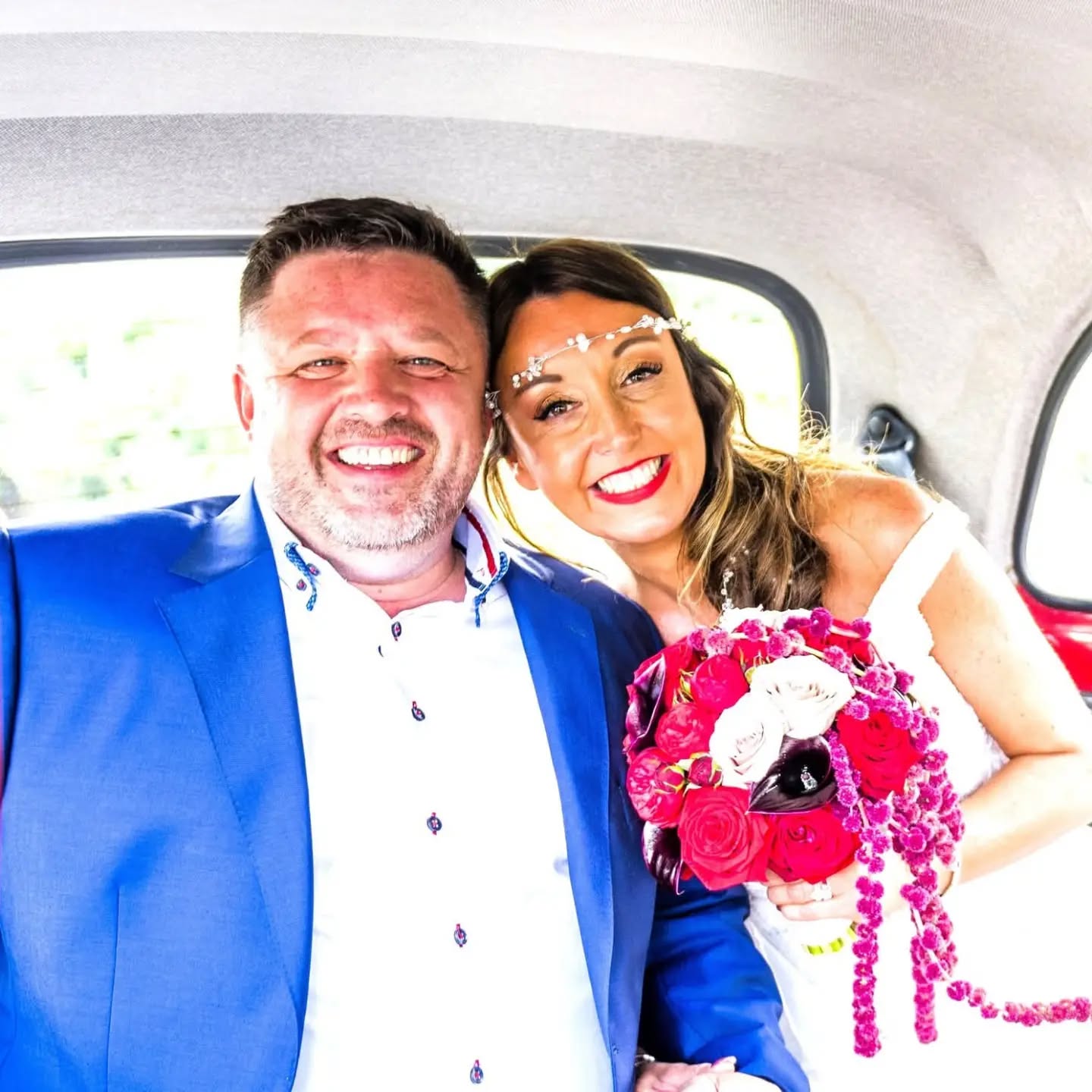
Driven by gale force winds, the fire spread within minutes, trapping residents and holidaymakers. Thousands of acres of pine forest were destroyed, dozens of people were injured and 104 lost their lives. The youngest victim of the firestorm was 6 months old and the oldest 93. Among them was Brian O’Callaghan Westropp, an Irish national who had travelled to Greece with his wife Zoe to celebrate their wedding, which had been held just 4 days earlier.
Eight years after his death, his wife honoured his memory with a moving social media post. Zoe Holohan became one of the faces who came to symbolise both the strength of survival and the unbearable weight of loss. Following the tragedy she required hospital treatment for her burns, and weeks later lost her father, Colm Holohan, who died suddenly.
Marking their wedding anniversary, she published a message dedicated to her husband, writing:
“Eight years have passed since that beautiful moment. Today we should be celebrating our anniversary, Brian, but instead the day is filled with grief. I try to focus on the happy moments and, in your honour, I want to say that people are still sharing stories about how you changed their lives for the better, even eight years on. Your kindness, generosity and heroic heart left behind a tremendous legacy, and I could not be prouder to have been your wife, even for such a short time. You are missed by so many people, and everyone remembers you with boundless love. We will never forget you, Brian O’Callaghan Westropp.”
This is not the first time Zoe Holohan has spoken publicly about her loss. She has previously said she still feels anger that, as she put it, “Brian was taken from me so cruelly, less than four days after our wedding.” She described him as “the best partner anyone could ask for,” a man who filled the lives of those around him with love, kindness and generosity, having volunteered with Blood Bikes East, an Irish charity that transports free medical supplies and blood between hospitals using motorcycles.
Holohan has written a book about her experience in Mati, titled “As Smoke Clears,” and frequently gives interviews. In one, she described the moment she lost her husband:
“We had to run through the fire. The flames were swirling around us. We couldn’t see anything. It was like swallowing acid. Every breath we took was agonising. We saw a small group of children, about 5 of them. They looked like ghosts. One was very small, still in nappies. They were simply standing at the edge of a cliff with the fire closing in around them. We ran and scooped them up to get away. Miraculously, a car passed and all we could do was open the doors and put the children inside. There wasn’t room for us, so the driver opened the boot and we climbed in there. I remember the hand holding the car door catching fire, and my hair, I’d had extensions done for my wedding just 4 days earlier and it was even more flammable, I could feel it burning against my eyes.
“We were burning alive, I felt certain that spot would become our grave. The car was going very fast. Within seconds it crashed and a burning tree fell on it. My husband was thrown out. I was holding his hand, but in the shock of the moment I let go. He fell out into the flames and burned alive. I knew what was happening, I understood. His last word was ‘Why.’ I saw him, I wanted to shout that I loved him. I wanted the last words he heard to be from his wife of just a few days. I couldn’t manage it. You never forget that. Do you know what the most unjust part is? The one who saved the children, he was the one who died. Everyone in the car, the children, thankfully, the three adults and I, we survived. He did not.”
Source: Marie Claire
Ask me anything
Explore related questions




