





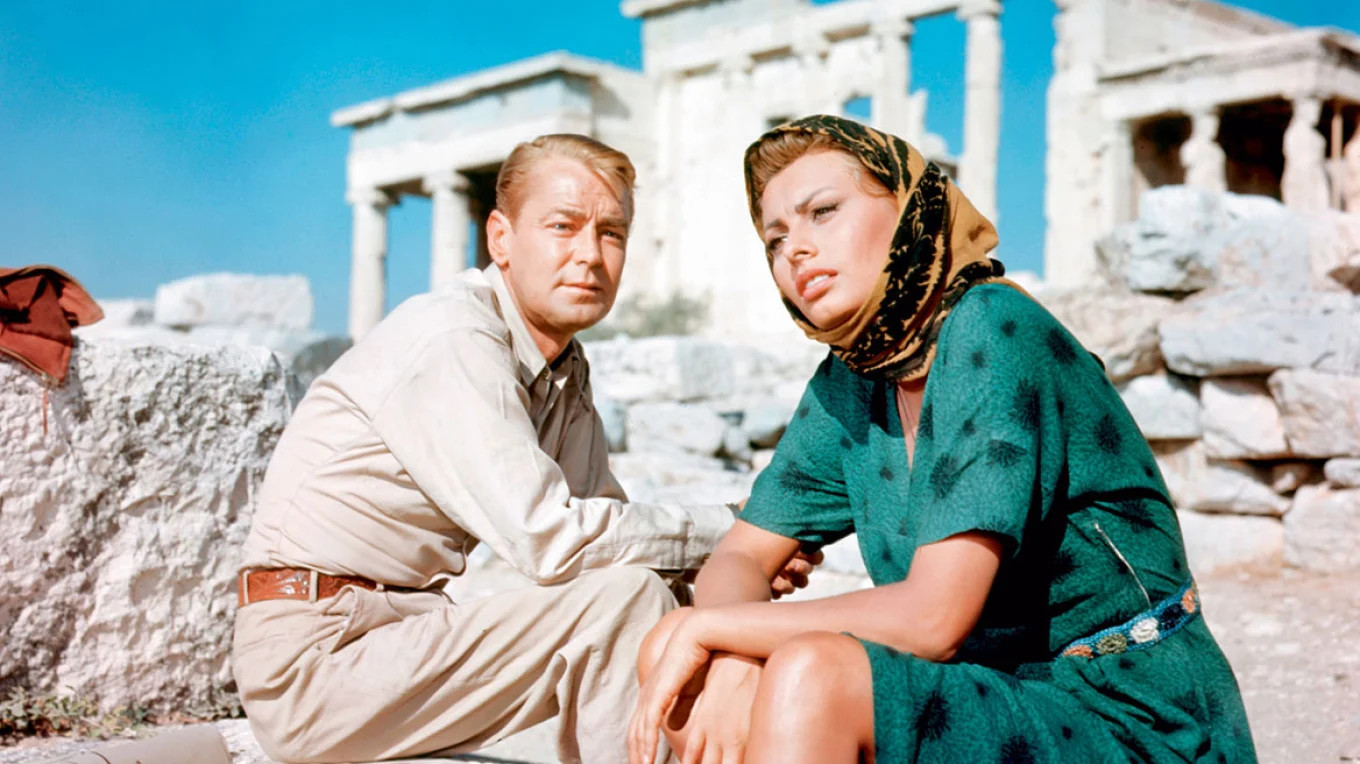
Greece was born to play the leading role. It was never merely a backdrop for the needs of some international and Hollywood film production. It was always the star whose light, breeze and free spirit reshaped a director’s vision and the way actors themselves approached their roles.
The beaches, island landscapes, monasteries, harbours, archaeological sites, narrow lanes and alleyways, even entire cities, have travelled to every corner of the planet. And if film tourism today has become an entire industry in its own right, Greece had already written its own chapter in that story long before it became fashionable.
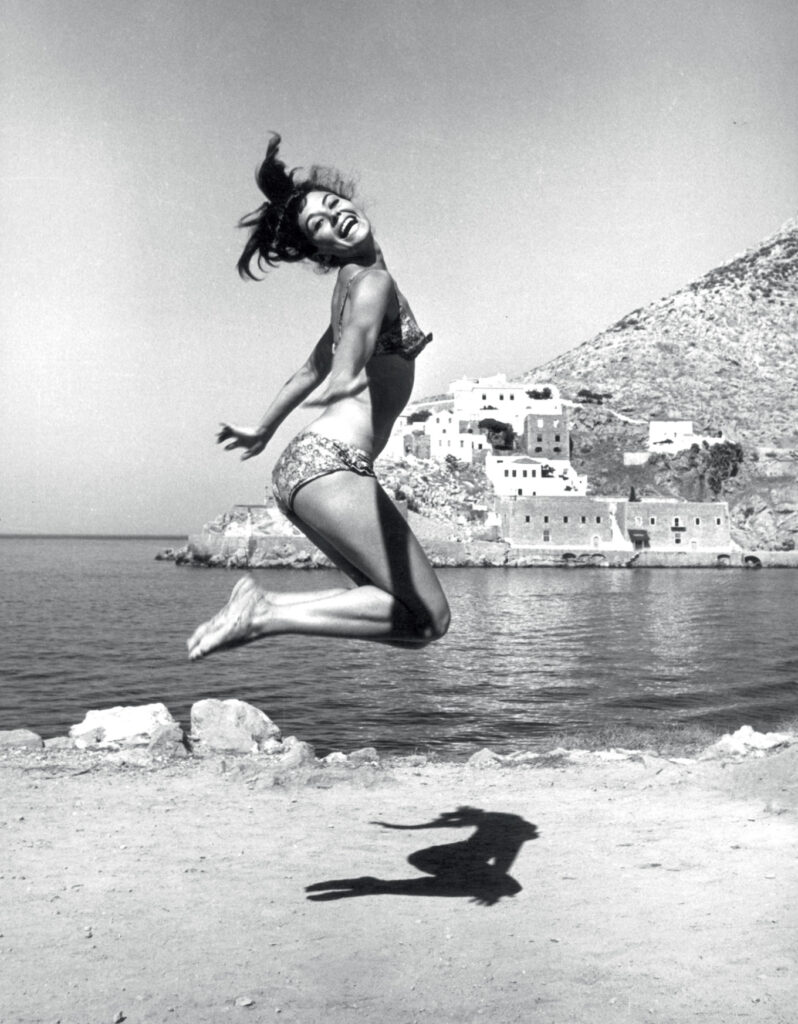
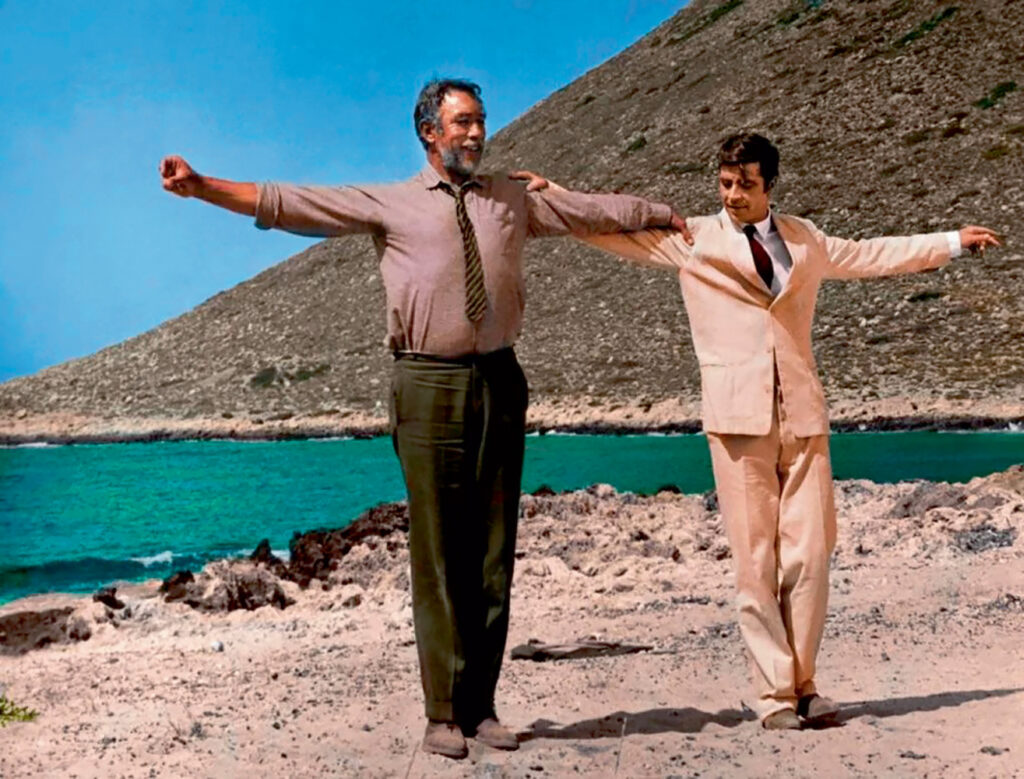
The most striking example is undoubtedly Zorba the Greek (1964). Michael Cacoyannis’s film, based on the novel by Nikos Kazantzakis, turned Crete into a worldwide symbol of freedom and authenticity. Most of the filming took place around Chania, culminating on Stavros beach in Akrotiri, where Anthony Quinn danced the now-legendary sirtaki that would go on to become synonymous with Greece itself. Further scenes were shot in Apokoronas, a region near Chania, and neighbouring areas, where the island’s rugged landscape mirrored Zorba’s untamed character.
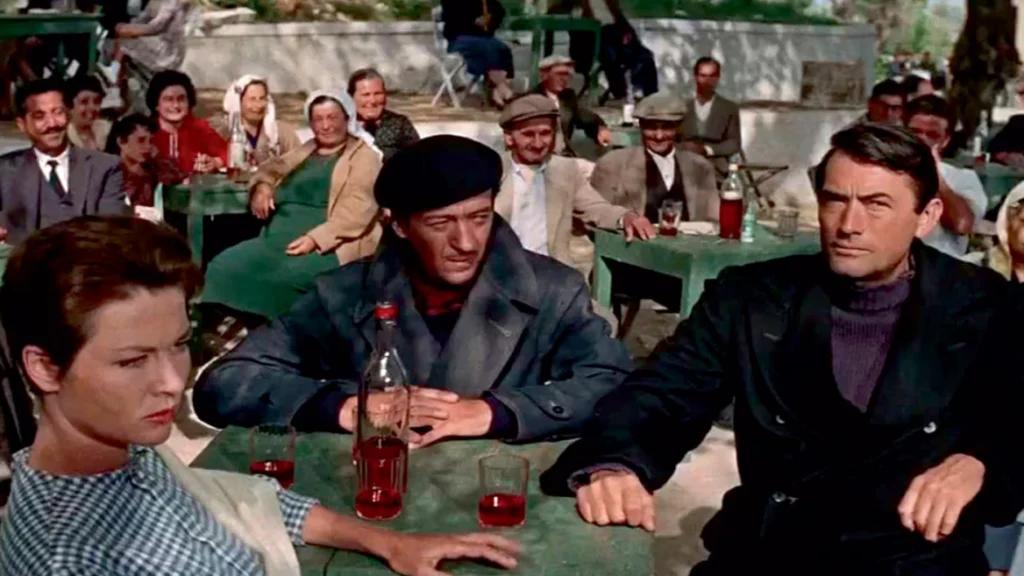
David Niven and Gregory Peck in The Guns of Navarone (1961)
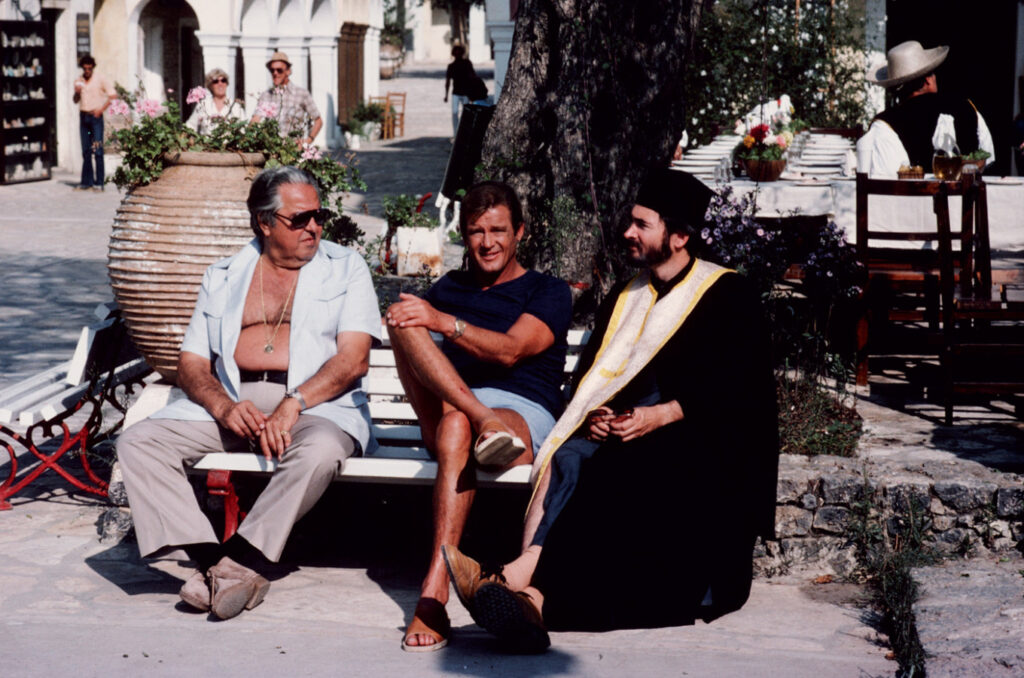
Three years earlier, Rhodes had already been transformed into the fictional island of The Guns of Navarone. The blockbuster starring Gregory Peck, David Niven and Anthony Quinn made striking use of the island, with filming at the spot now known as Anthony Quinn Bay, at the Kallithea Springs and in Lindos, while further scenes were shot on Leros. Locals in Rhodes remembered for years the uproar caused by extras dressed as German soldiers. “Holy Mother, let’s hope we never see anything like that again,” one housewife in the village of Kremasti said, watching the “Germans” march through.
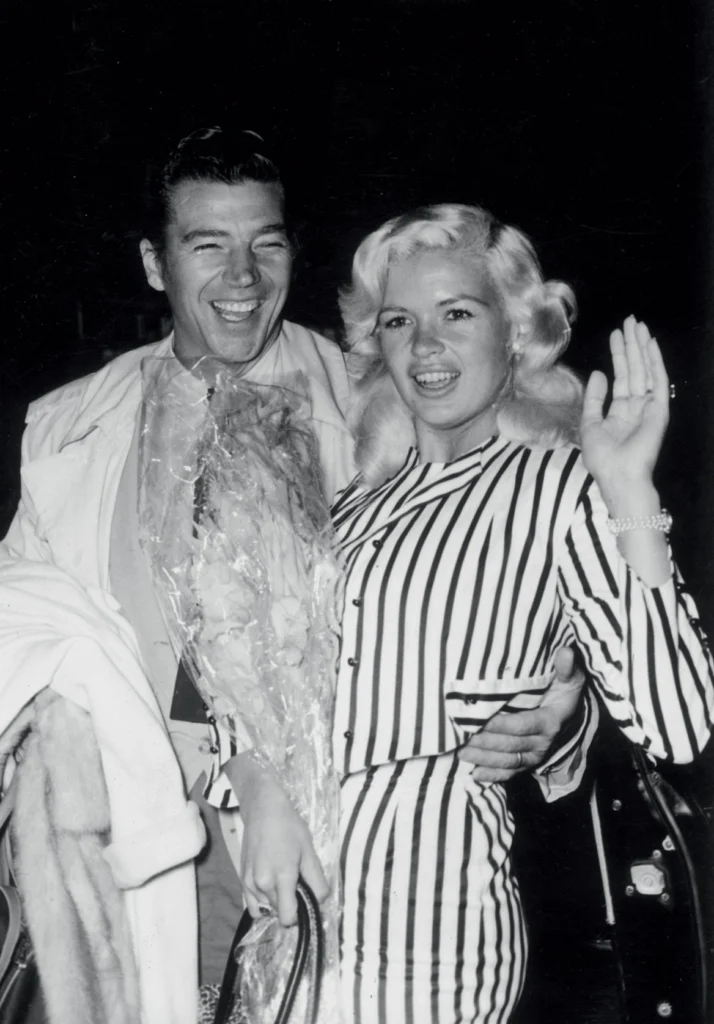
Jayne Mansfield with her husband Mickey Hargitay in 1960, during the filming of It Happened in Athens
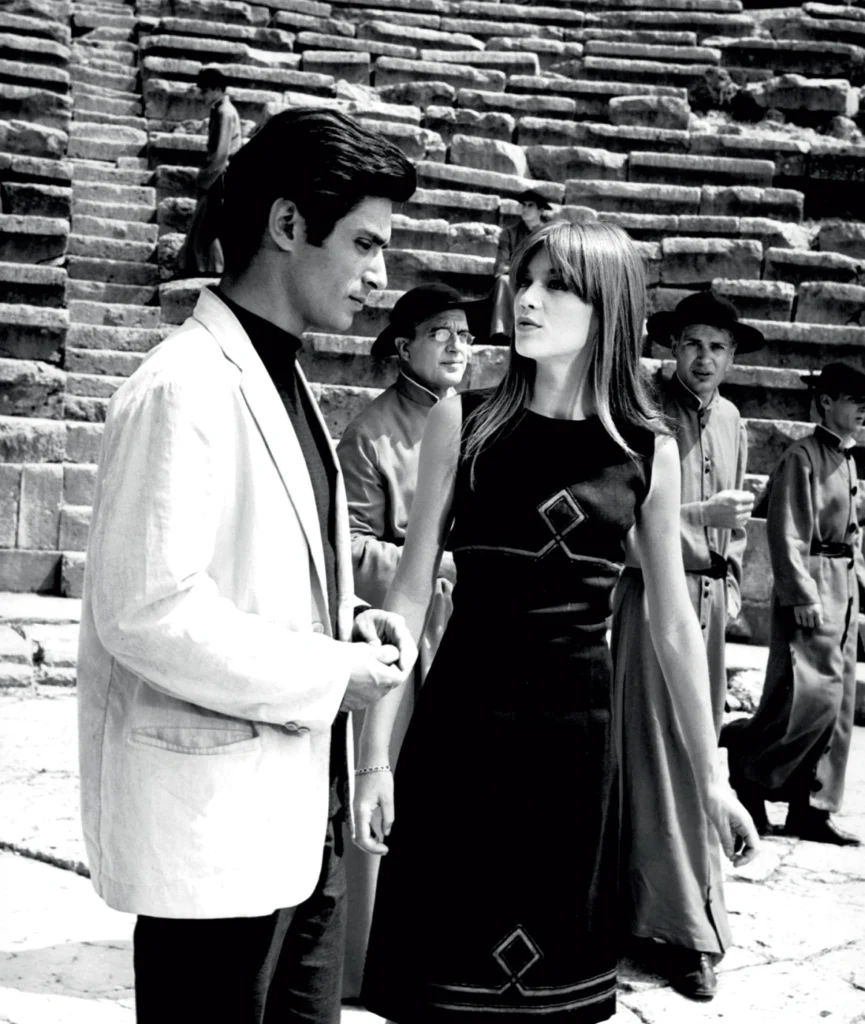
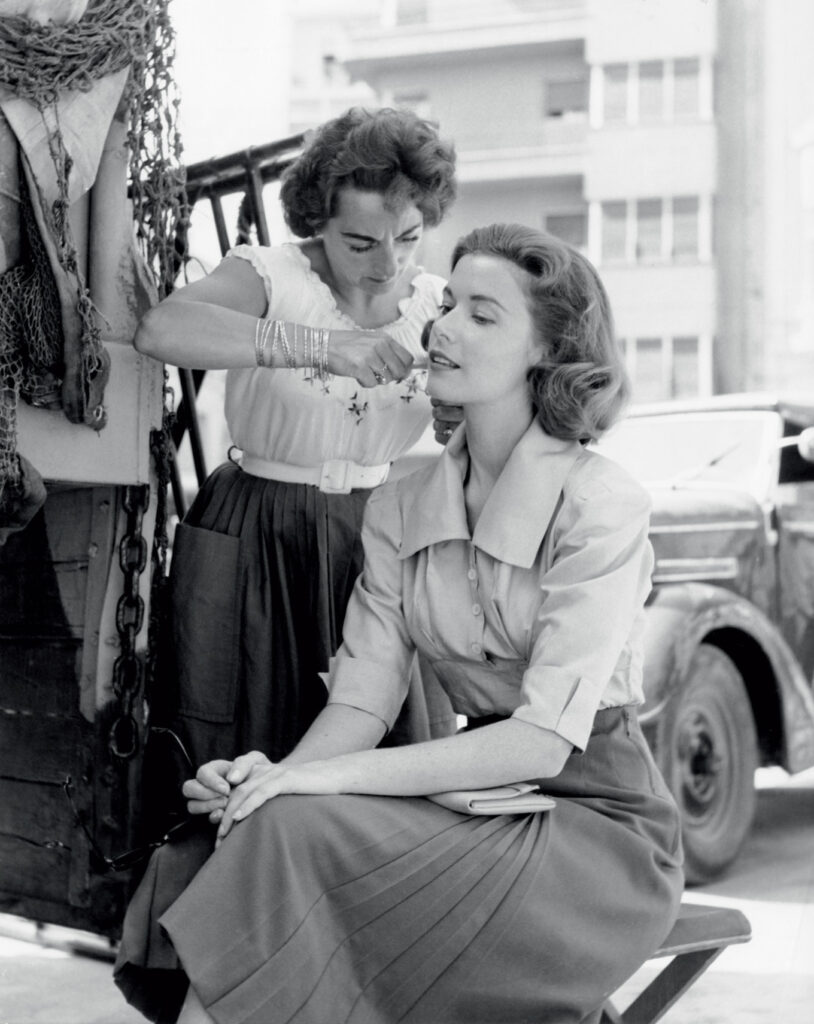
Kefalonia gained its own international cinematic fame through Captain Corelli’s Mandolin (2001). The town of Sami served as the story’s main setting, while Antisamos beach, with its striking turquoise waters, became one of the most recognisable film locations in the Mediterranean. Further scenes were shot in Agia Efimia and Fiskardo, showcasing almost every side of the island. By the following summer, every Hollywood star seemed to be looking for a villa to rent there for their holidays.
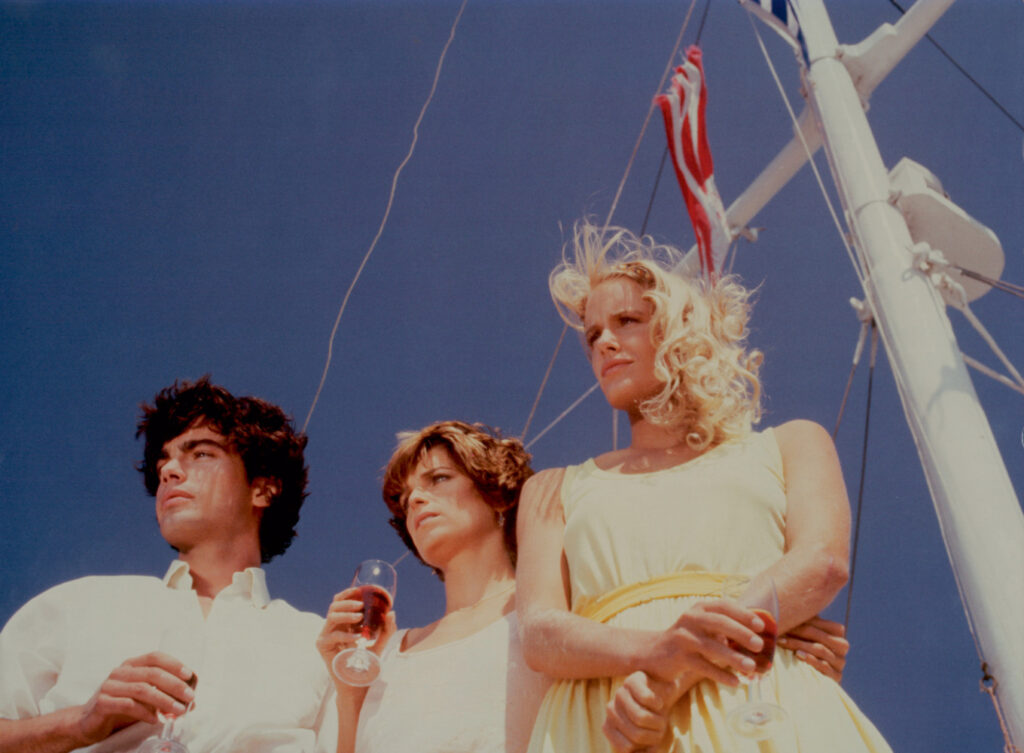
Few films captured the Greek summer as sensually as 1982’s Summer Lovers, starring Daryl Hannah. Santorini, with Oia and Fira, dominated the screen, while Mykonos, Delos and Matala completed the cinematic picture of a Greece that seemed to exist purely for love, sunshine and carefree abandon. Hydra, though, was perhaps the most photographed Greek island in international cinema.
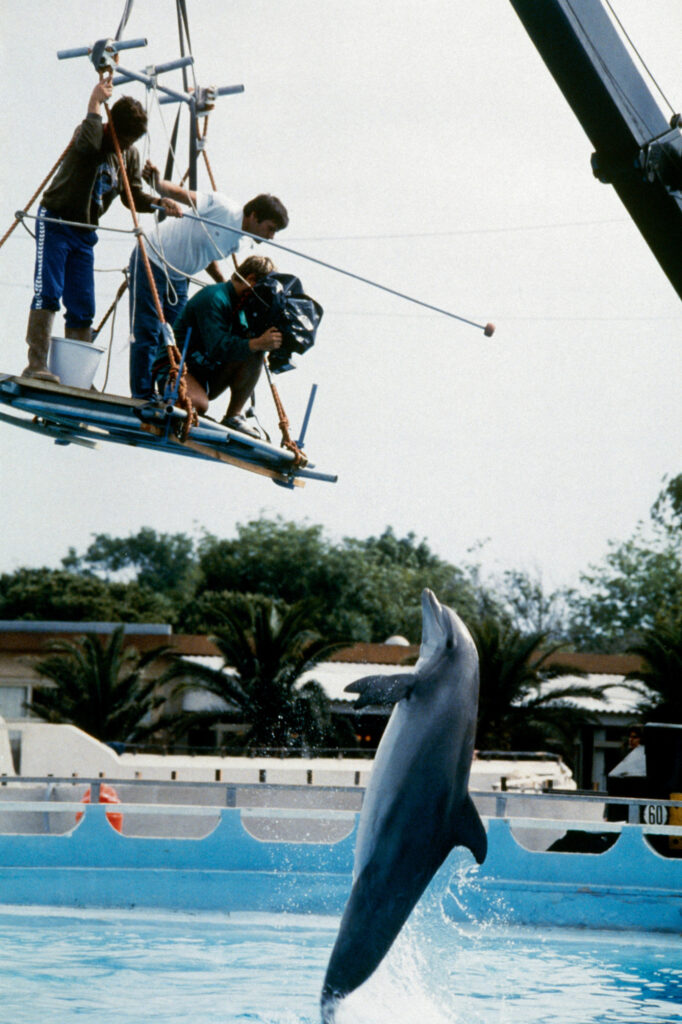
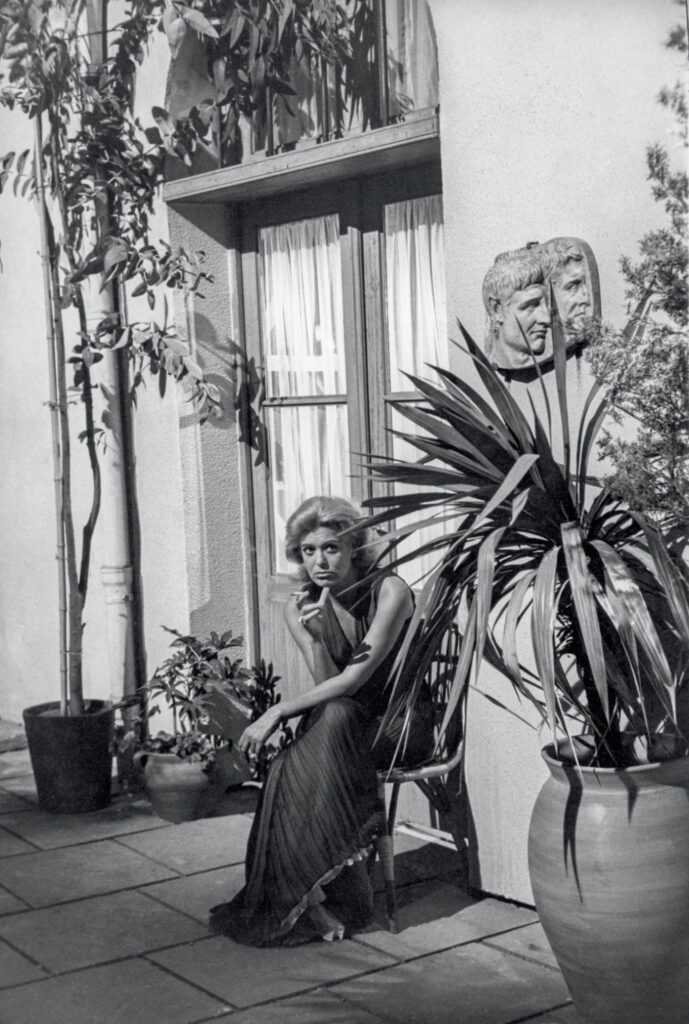
It was there that Boy on a Dolphin was filmed in 1957, the film that introduced Sophia Loren to Hollywood and made the island known around the world. The production also travelled to the Acropolis, Piraeus, Epidaurus, Delos, Mykonos, Rhodes, Poros and Meteora, offering audiences an almost complete cinematic tour of Greece. A few years later, Hydra also hosted the American comedy Island of Love (1963), starring Giorgia Moll, Robert Preston, Tony Randall and Walter Matthau, and served as the main setting for Jules Dassin’s Phaedra (1962), starring Melina Mercouri and Anthony Perkins.
The Greek landscape has not been absent from the world of James Bond, either. In For Your Eyes Only (1981), 007 moved through the lanes of Corfu, taking in the Achilleion Palace, Kanoni, the village of Danilia and Issos beach, before the action climaxed at Meteora, where the Holy Trinity Monastery became the impenetrable hideout of the villains.
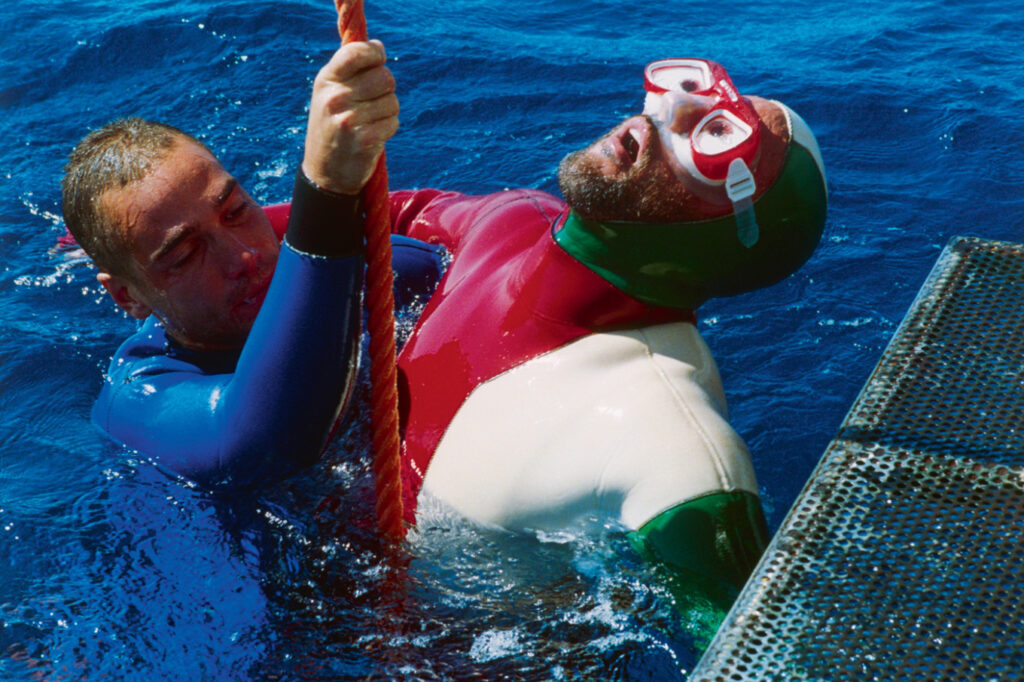
If there is one film that changed the image of a Greek island forever, though, it is Luc Besson’s The Big Blue (1988). Although the filming location remained secret for some time, the truth eventually emerged: Amorgos, with Agia Anna beach and the Monastery of Panagia Chozoviotissa, became an international symbol of free diving and total communion with the sea. Additional scenes were filmed at Manganari on Ios, lending the Aegean an almost mythical dimension.
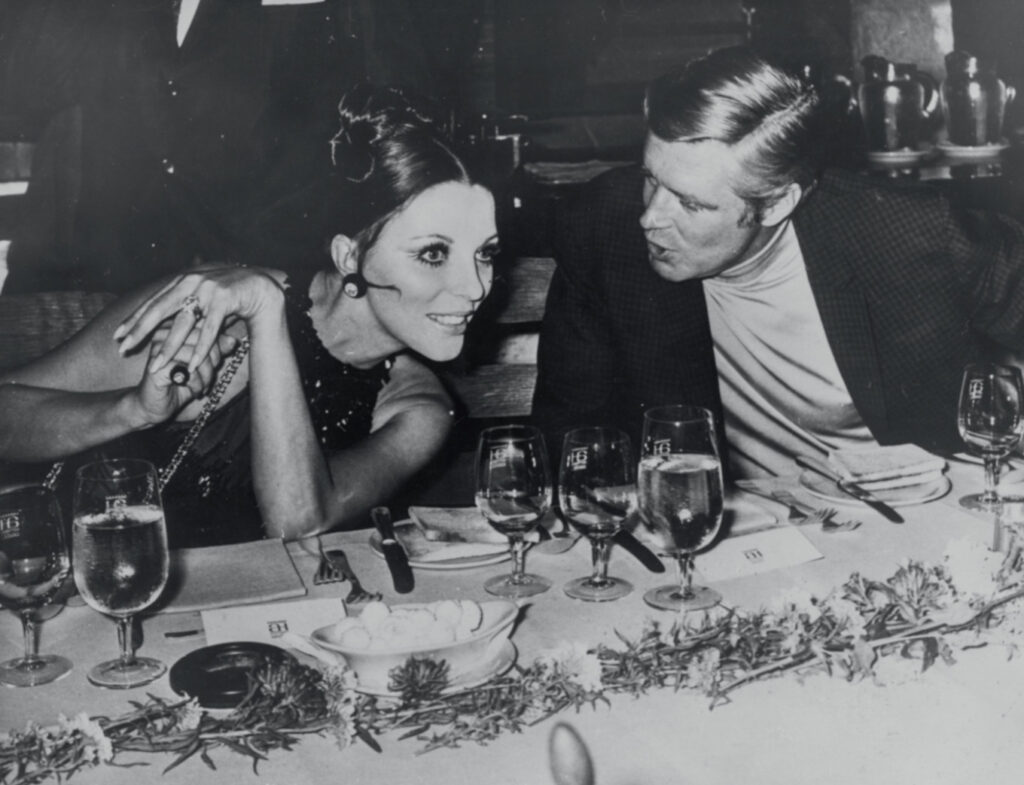
Greece has also played a leading role in lesser-known but equally interesting productions. George Peppard and Joan Collins spent time in Athens and Corfu in 1969 for The Executioner (1970), with the era’s high society life captured even in scenes at the legendary Asteria Beach club. Jayne Mansfield filmed scenes in the capital for It Happened in Athens (1962), inspired by the first modern Olympic Games, in which Athens and the Acropolis naturally took a starring role.
Also notable is the Greek-French production Une Balle au Coeur (1966), filmed mainly on Skyros. It went down in history not only for its scenery but also because it marked the only foreign-language film appearance of Jenny Karezi, who performed songs by Mikis Theodorakis alongside Françoise Hardy, Sami Frey and Spyros Fokas.
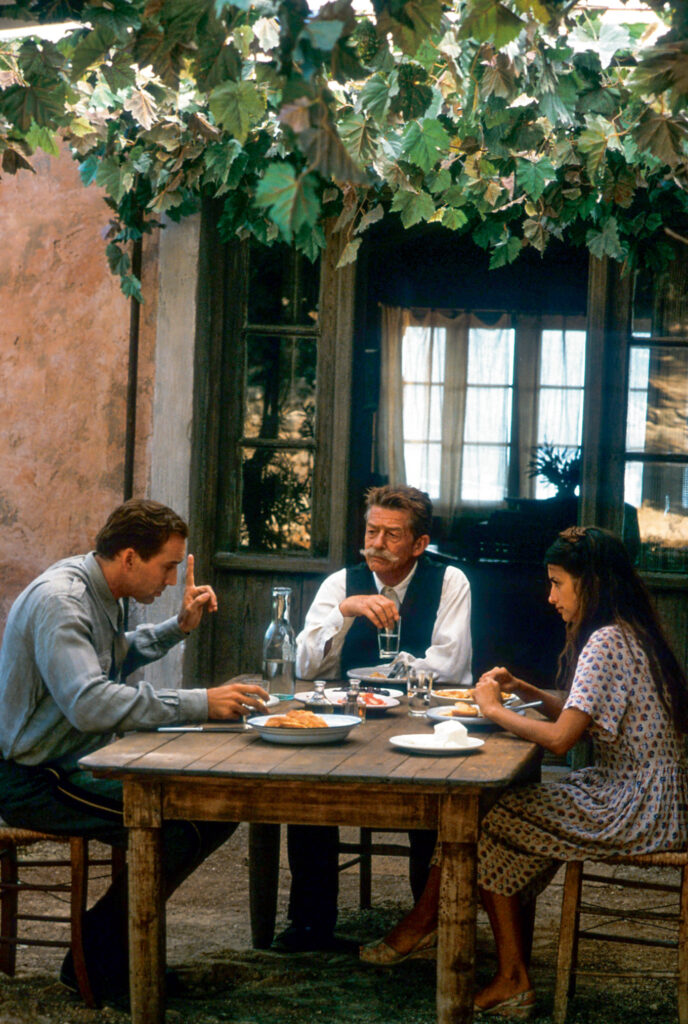
Kastellorizo, Greece’s easternmost island, found its own cinematic renaissance thanks to the Oscar-winning Mediterraneo (1991), directed by Gabriele Salvatores. In just two months, the colourful houses and harbour of Megisti were transformed into the setting for a film that won the Academy Award for Best Foreign Language Film and introduced the island to millions of viewers worldwide.
Claudio Bigagli, Vana Barba and Giuseppe Cederna in a scene from Mediterraneo, filmed on Kastellorizo in 1990
Years earlier, Robert Mitchum had wandered through Plaka, Pasalimani, Kastella and Arachova for The Angry Hills (1959), capturing a Greece that was only just beginning to open up to the world. Finally, among the more recent, though no less significant, films, the tender Mamma Mia! (2008) and the action-packed Lara Croft: Tomb Raider – The Cradle of Life (2003) took on an even bluer glow through the seas of Skopelos and Santorini, respectively.
A setting for all seasons, Greece has been captured on black-and-white and colour film alike, with international stars in the leading roles, so that the natural beauty of this country remains etched in the world’s collective memory for all time.
Ask me anything
Explore related questions




