





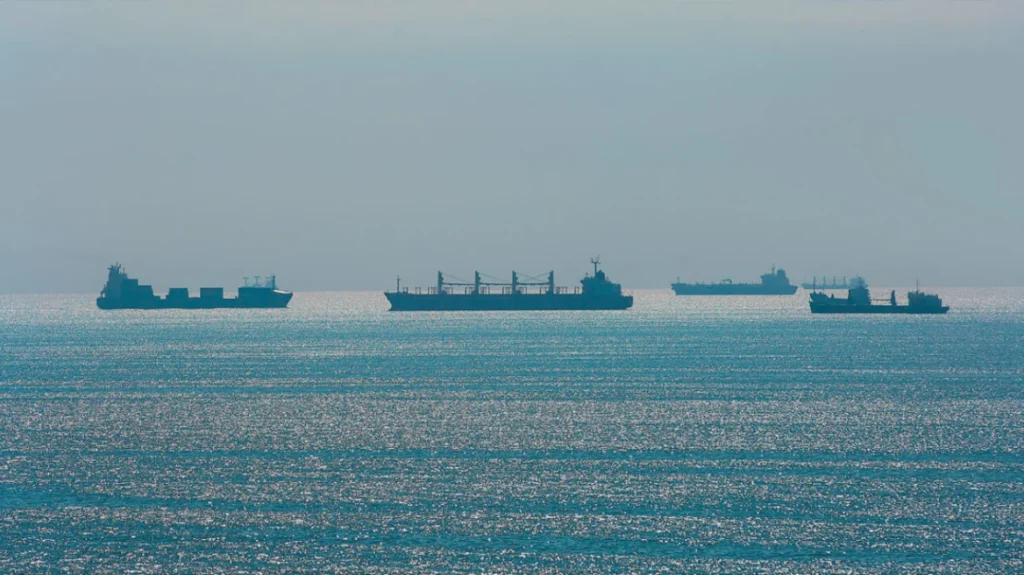
A tanker was attacked with explosive devices attached directly to its hull in the Strait of Hormuz on the evening of Thursday, October 29. The explosions caused a fire in the engine room and temporarily forced the vessel to stop, highlighting the danger posed by small boats approaching commercial ships transiting the area.
According to an update from the British maritime security agency UK Maritime Trade Operations (UKMTO), cited by Seatrade Maritime News, the incident occurred at 22:12 UTC, approximately 25 nautical miles northeast of Khasab, Oman. A small boat approached the tanker’s port side and attached two explosive devices to its hull, above the waterline. Explosions followed, causing a fire in the engine room.
The fire was extinguished and the tanker resumed its voyage to its next port. The crew is safe and no environmental pollution was reported, according to the UKMTO, as reported by Reuters. The identity of those behind the attack has not been established.
What makes the incident particularly significant is the method used to attack the vessel. The description suggests that the perpetrators came close enough to make direct contact with the tanker. Seatrade Maritime News highlights how this tactic differs from missile and drone attacks, as well as attacks involving gunfire from small boats, previously recorded in the region.
From a risk-assessment perspective, the attack once again raises the issue of early detection of suspicious approaches and the protection of crews while transiting the Strait of Hormuz. The possibility of attaching explosives directly to a vessel adds another factor that shipping companies must consider when planning their security measures.
It is, however, too early to draw conclusions about whether this tactic is being adopted systematically or about the incident’s economic consequences. The available information does not establish that any increases in insurance premiums are specifically linked to this attack.
Ask me anything
Explore related questions




