





Prime Minister Kyriakos Mitsotakis stepped up his criticism of former prime minister Alexis Tsipras on Tuesday, accusing previous governments of weakening criminal legislation and facilitating mass prisoner releases, while defending his own administration’s record in tackling organised crime.
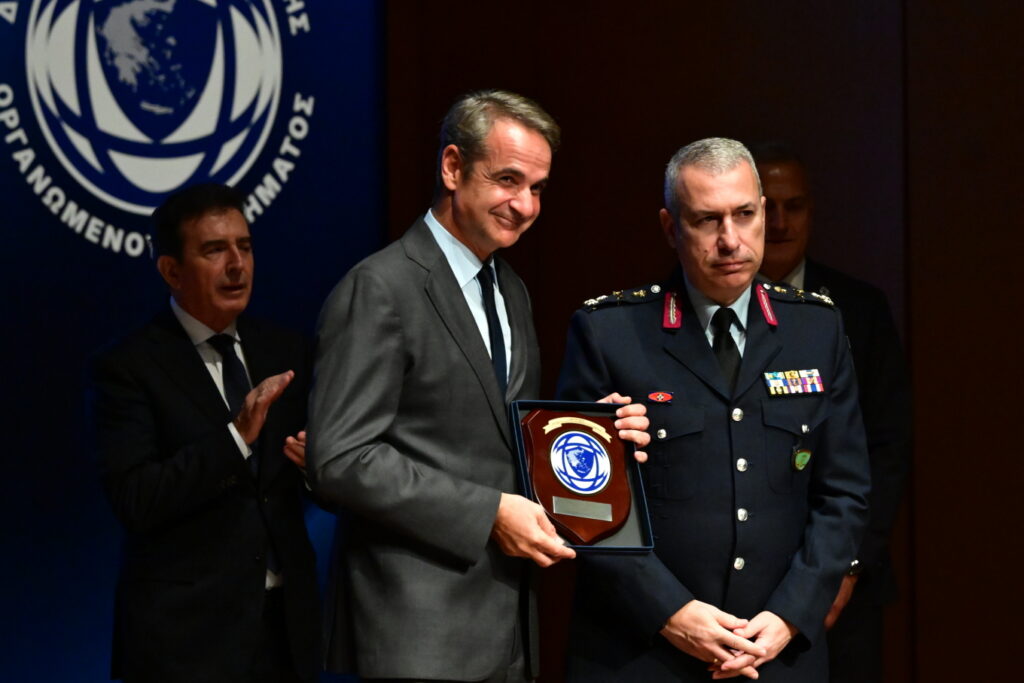
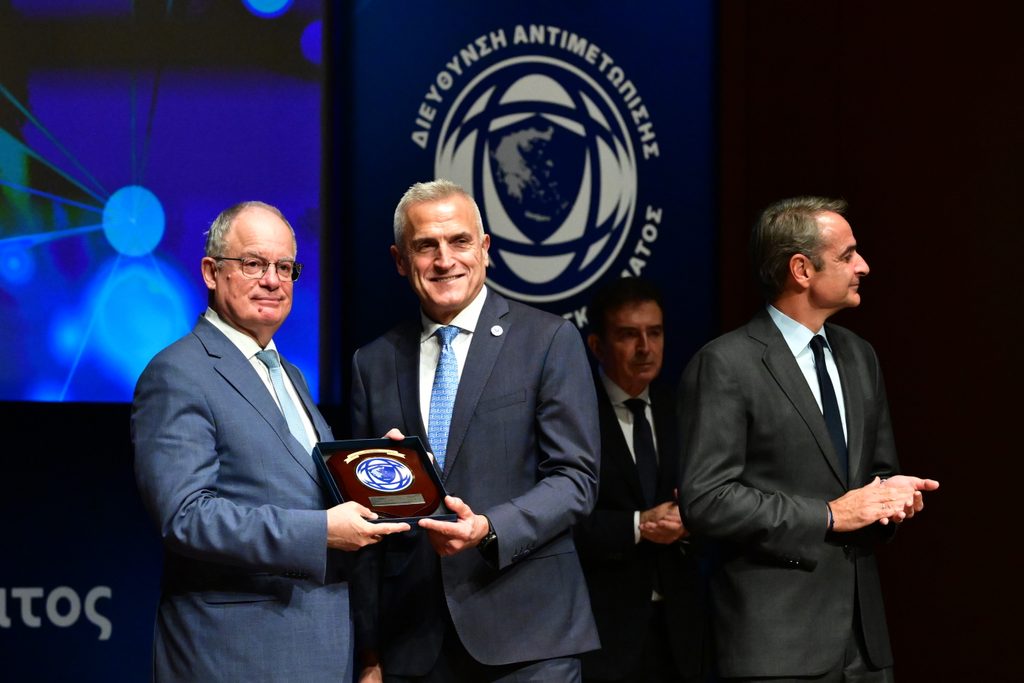
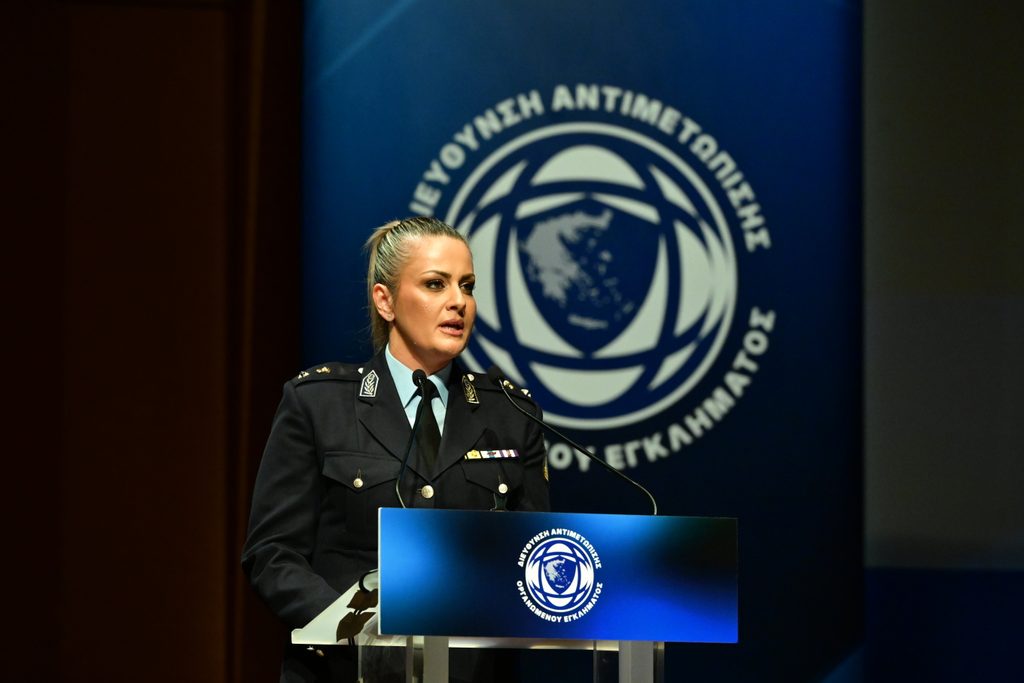
Speaking at an event marking the second anniversary of the Directorate for Combating Organised Crime (DAOE), widely referred to as Greece’s FBI, Mitsotakis argued that the recent series of high-profile criminal investigations demonstrated the effectiveness of his government’s approach to law enforcement.
His remarks came just hours after he responded on Alpha television to Tsipras’s description of him as the “high priest of corruption”.
“Those who wonder how and why we are seeing all these sweeping revelations are hypocrites,” Mitsotakis said. “The news is not that lawbreaking exists, but that it is finally being exposed and prosecuted in an organised manner.”
The prime minister drew a direct distinction between his government’s criminal justice policies and those of its predecessors.
“Laws passed by other governments released prisoners en masse and changed the criminal codes before elections. We are introducing measures to arrest offenders and toughen penalties,” he said.
He also pointed out that opposition parties had voted against the reform establishing the organised crime directorate.
“We are not, therefore, ‘all the same’, and this is recognised,” Mitsotakis added.
Warning to corrupt civil servants
The prime minister also issued a warning to public officials involved in criminal networks, particularly those operating within government departments and urban planning authorities.
He described the government’s “Legality Everywhere” initiative as a wide-ranging effort to confront criminal activity, including corruption within the state itself.
“Any public servants found to be supporting criminal networks have no place in public administration. They will be identified, brought before justice and dismissed,” he warned.
“No criminal network is stronger than the state,” Mitsotakis declared.
According to the prime minister, the initiative aims to restore the rule of law and eliminate opportunities for criminal organisations to operate with impunity.
Greek FBI dismantles 259 criminal organisations in two years
Presenting the directorate’s record over its first 24 months, Mitsotakis said the specialist police unit had handled 1,510 organised crime investigations, brought charges against 5,454 individuals and dismantled 259 criminal organisations.
The cases involved illegal fuel trading, cigarette smuggling, cross-border crime and networks allegedly operating within tax offices, urban planning departments and prisons.
Mitsotakis highlighted increased cooperation between police investigators, tax authorities and the judiciary as a central element of the government’s strategy.
“For the first time, police investigations, tax cross-checks, the crucial role of the Independent Authority for Public Revenue (AADE) and judicial assistance are operating as a united front against organised crime, closing every loophole that provides immunity,” he said.
The prime minister also linked the government’s broader anti-corruption campaign to its efforts to combat tax evasion.
He said measures against tax evasion were generating more than €2.2 billion annually in additional public revenue in 2025, with the possibility of an even higher figure in 2026.
According to Mitsotakis, the additional funds could support healthcare, education, defence and civil protection.
“This is what law-abiding taxpayers demand,” he said.
More than €200 million in assets frozen
The directorate’s two-year record also includes substantial asset freezes and seizures linked to criminal investigations.
According to figures presented at the anniversary event, between 21 October 2024 and 3 November 2026, authorities froze assets worth more than €200 million.
Frozen cash holdings exceeded €19 million, while other assets included properties, bank safe-deposit boxes, vehicles, boats and ships.
Separately, the unit seized €14,246,070 in cash during the two-year period.
The scale of its operations is also reflected in the quantities of weapons, drugs, counterfeit goods and contraband products confiscated.
Police seized 908 firearms, 68,206 rounds of ammunition and 21,149 projectiles.
Drug seizures included 6,412 kilograms of cocaine, 160 kilograms of heroin, 6,367 kilograms of cannabis, 18,081 cannabis plants, 53,396 narcotic tablets, 66 kilograms of MDMA and 33 kilograms of methamphetamine.
Authorities also confiscated 44,445,407 illicit cigarettes, 45,777,805 grams of tobacco and 1,294 electronic cigarettes.
Other seizures included 183,417 counterfeit products, 181 kilograms of anabolic substances and pharmaceutical products, and 4,042,251 anabolic tablets.
Chrysochoidis: Next priority is to weaken criminal organisations financially
Citizens’ Protection Minister Michalis Chrysochoidis used the anniversary event to reaffirm the government’s commitment to confronting organised crime and protecting citizens and businesses from criminal activity.
He thanked the directorate’s leadership and officers for their work, highlighting their dedication and the demanding nature of their responsibilities.
Chrysochoidis said the unit’s operations had a direct impact on society, particularly for citizens and business owners seeking a secure environment governed by clear rules and respect for the law.
He also thanked Mitsotakis for his continued support of the Hellenic Police.
Looking ahead, the minister identified the financial foundations of organised crime as the next major target for law enforcement.
He said the directorate would seek to strike even more deeply at criminal organisations’ economic strength, preventing them from rebuilding their networks and resuming illegal activities after police operations.
“Every citizen must know that, when facing violence and extortion, the state stands beside them,” Chrysochoidis said.
Ask me anything
Explore related questions




