





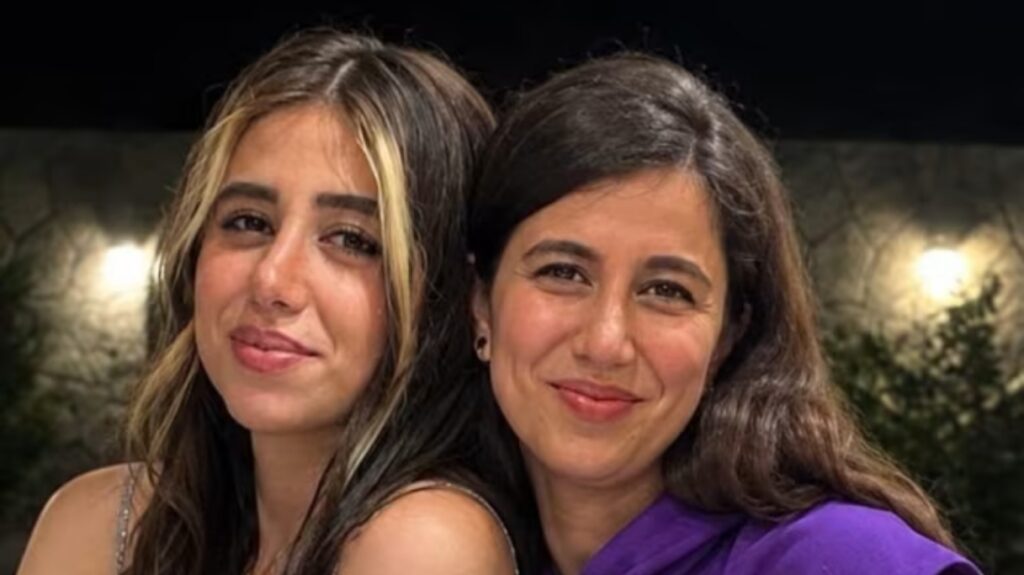
A 21-year-old Iranian protester has been sentenced to death by hanging after taking part in anti-government demonstrations in January. Her twin sister was sentenced to 25 years in prison. Their family says both women were tortured in custody and that interrogators threatened to rape one sister in front of the other to force a confession.
The family alleges that interrogators told Taraneh Rahimi they would rape her twin, Romina, in front of her unless she signed a confession.
The sisters’ cousin, Masoud Nourmohammadi, told BBC Persian that Taraneh had been beaten so severely in recent weeks that she now struggles to walk. He said a head injury that went untreated led to an ear infection that affected her balance.
Taraneh is one of six women sentenced to death since the start of the year in cases linked to the anti-government protests, according to Mai Sato, the UN special rapporteur on human rights in Iran. Far more men face the death penalty, but the number of women sentenced to death on political grounds is unprecedented in decades.
🚨🇮🇷 | HORROR ISLÁMICO EN IRÁN: UNA JOVEN DE 21 AÑOS FUE CONDENADA A LA HORCA TRAS QUEDAR "IRRECONOCIBLE" POR SER TORTURADA Y AMENAZADA CON VIOLAR A SU HERMANA El régimen islámico condenó a muerte a Taraneh Rahimi, una joven iraní de 21 años detenida junto a su hermana gemela, Romina, por participar en las protestas contra la dictadura teocrática. Su familia denunció que fue brutalmente golpeada y obligada a confesar bajo la amenaza de que los guardias violarían a su hermana delante de ella. Las torturas fueron tan salvajes que, cuando su madre consiguió visitarlas en prisión, no pudo reconocerlas por sus rostros desfigurados y el cabello arrancado. Taraneh fue condenada a morir ahorcada y su hermana recibió una sentencia de 25 años de cárcel.
— La Derecha Diario (@laderechadiario) November 26, 2026
Their mother spent four months looking for them
Taraneh and Romina were arrested two weeks after taking part in the protests. Masked members of Iran’s Islamic Revolutionary Guard Corps entered their home in the middle of the night and seized them from their beds.
For four months, their mother, Marzieh Nourmohammadi, searched for her daughters without knowing where they were being held or what condition they were in. In May, she was finally allowed to visit them at Dolatabad prison in Isfahan.
Their faces were swollen and bruised, and clumps of hair were missing. The family says interrogators dragged the women by their hair. Their mother recognised them only when she heard them speak. No family member has been able to visit them since.
The sisters’ lawyers reportedly filed a formal complaint alleging torture and sexual abuse during questioning. The official overseeing the investigation is among those the sisters accuse of torturing them.
The charge of ‘waging war against God’
The sisters were prosecuted over their participation in protests in an area of Isfahan where a member of the Revolutionary Guards’ security forces had been killed.
According to a court document cited by the BBC, Taraneh was convicted of moharebeh, or “waging war against God”, an offence punishable by death under Iran’s Islamic penal code. The document says she was accused of “displaying a bladed weapon with the intent to endanger the lives of citizens”.
Romina was sentenced to 25 years in prison for complicity in the same offence.
Their cousin, who is in contact with relatives and others in Iran familiar with the case, said both sisters deny all the charges and that there is no evidence Taraneh carried a bladed weapon.
Sato said ten Iranians were sentenced to death in the same case, with “no clarification as to the acts attributed to each individual”. Amnesty International has described the charges against the sisters as “politically motivated”. Their family continues to seek support for them.
Tehran denies the allegations
Iranian authorities deny the torture allegations and have called reports of a rise in death sentences linked to the anti-government protests “misleading”.
They say participation in peaceful demonstrations is a “lawful and protected right” and that the death sentences imposed after the January protests concern offences including “intentional murder” and moharebeh.
Ask me anything
Explore related questions




