

×
GreekEnglish

×
  • Politics
  • Diaspora
  • World
  • Lifestyle
  • Travel
  • Culture
  • Sports
  • Cooking
Thursday
06
Aug 2026
weather symbol
Athens 30°C
  • Home
  • Politics
  • Economy
  • World
  • Diaspora
  • Lifestyle
  • Travel
  • Culture
  • Sports
  • Mediterranean Cooking
  • Weather
Contact follow Protothema:
Powered by Cloudevo
> World

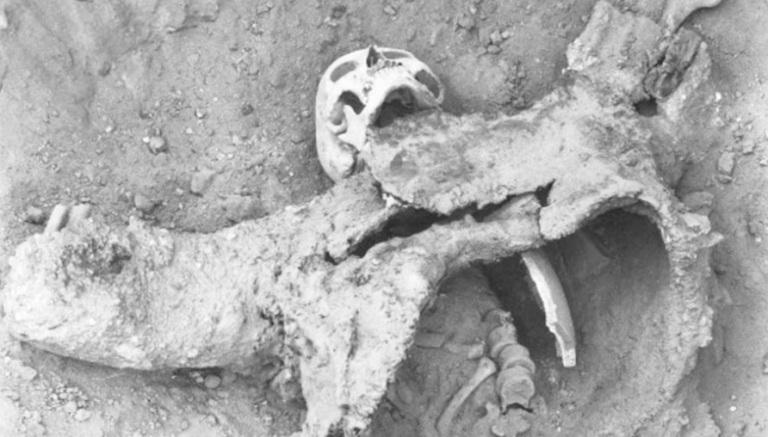
Archaeological evidence for 1.700-year-old Chemical Warfare

In India the use of poisons during warfare can be found in both the Mahabharata and the Ramayana

Newsroom June 21 04:41

Δείτε περισσότερα άρθρα μας στα αποτελέσματα αναζήτησης

Add Protothema.gr on Google

One of the distinguishing features of the First World War was the widespread use of chemical weapons. Chemical gases of various lethality, including mustard gas, phosgene and tear gas, were used to disable and kill enemy defenders. Although chemical weapons played a major role during the Great War, its usage can be dated to a much earlier period of history.

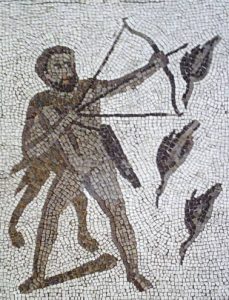
One of the earliest references to the use of chemical weapons in western literature can be found in the Greek myth of Heracles, in which the hero dips his arrows in the blood of the Hydra to make them toxic. It has also been claimed that poisoned arrows were mentioned by Homer in both his epics, the Iliad and the Odyssey.
>Related articles

Wildfires rage across the Balkans as 40°C heatwave fuels dangerous blaze conditions

Google AI leadership shake-up: Demis Hassabis becomes President as top scientist departs

Mitsotakis and Egypt’s President El-Sisi hold phone call as Egypt offers wildfire assistance

(Hercules killing the Stymphalian birds with toxic arrows. Detail of The Twelve Labours Roman mosaic from Llíria -Valencia, Spain-)

Records of the use of chemical weapons also appear in the ancient civilizations of the East. In India, for instance, the use of poisons during warfare can be found in both the Mahabharata and the Ramayana. Moreover, recipes for poisonous weapons can be found in Kautilya’s Arthashastra, which dates to India’s Mauryan period. In China, there are writings that describe the use of toxic gases by defenders of a city. The toxic fumes, produced by burning balls of mustard or other toxic vegetables, are pumped into tunnels dug by a besieging army using bellows.

Read more HERE

Ask me anything

Explore related questions

#archaeology#chemical warfare#civilization#culture#history#war#world
> More World

Follow en.protothema.gr on Google News and be the first to know all the news

See all the latest News from Greece and the World, the moment they happen, at en.protothema.gr

> Latest Stories

Greece and eight other UN member states reject Russia’s claim that the Mechanism for Criminal Tribunals has ceased operations

August 6, 2026

How the tragedy happened in Malia: Mother drowned trying to save her friend as children cried for help

August 6, 2026

Analysis: Europe at a crossroads – Wars, wildfires, migration: Why the old continent seems unable to manage successive crises

August 6, 2026

Apollo to acquire easyJet in £5.7 billion deal backed by Stelios Haji-Ioannou family

August 6, 2026

Why I didn’t save the puppy: Researcher who documented the wolf pack adopting dog explains why he didn’t intervene

August 6, 2026

Over 90 specializations and 860 programs announced for Greece’s public higher vocational training schools in 2026–2027

August 6, 2026

EU Migration Commissioner: EU must use every tool at its disposal to work with Morocco

August 6, 2026

Before-and-after images reveal SpaceX rocket stage crash on the moon, captured by South Korean lunar orbiter

August 6, 2026
All News

> Greece

In reverence, the emotional deposition in Jerusalem, see photos & video

The Holy Temple of the Resurrection opened after many days due to the war between Israel and Iran

April 10, 2026

In the final stretch for the accreditation of joint master’s degrees: Aiming for their launch in the coming academic year

April 10, 2026

Schedule for Epitaph Procession today (10/4)

April 10, 2026

Perfect weather for Easter excursions, according to Tsatrafyllia’s forecast

April 10, 2026

Easter in Greece: The customs that continue in Greek tradition – From Nafpaktos to Corfu

April 10, 2026
Homepage
PERSONAL DATA PROTECTION POLICY COOKIES POLICY TERM OF USE
Powered by Cloudevo
Copyright © 2026 Πρώτο Θέμα



