





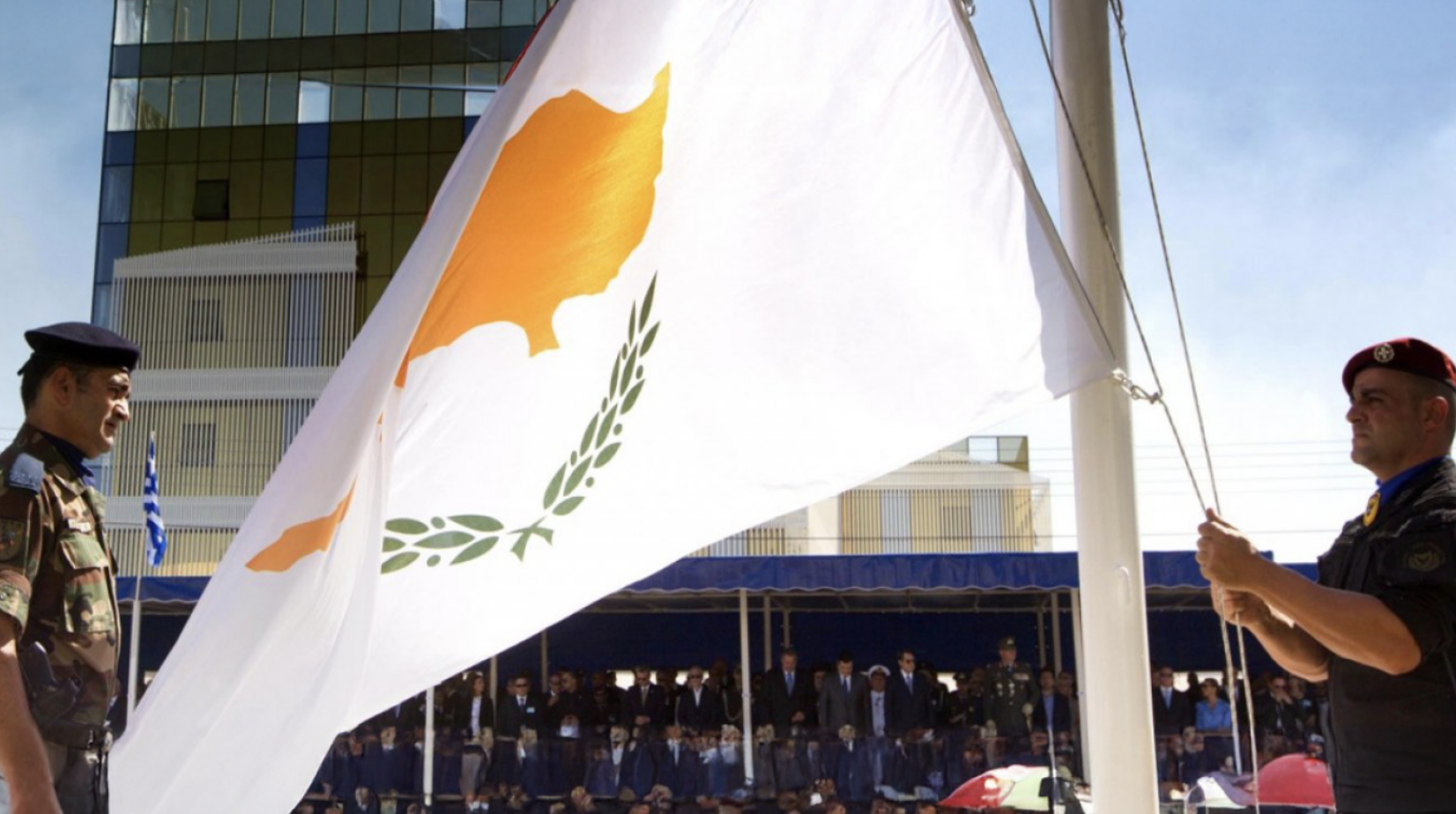
Today marks 64 years since the founding of the Republic of Cyprus, of which only the first three were relatively peaceful.
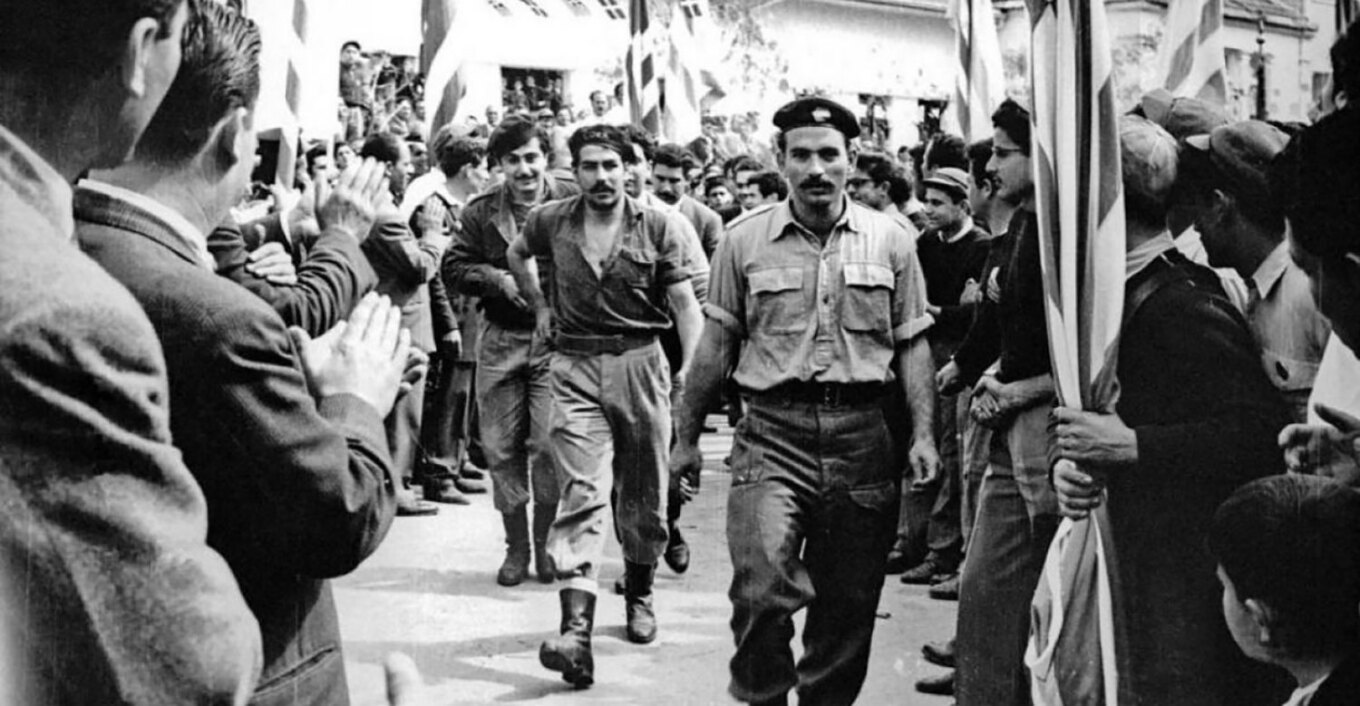
The Cypriots’ aspiration for union with Greece have not been fulfilled. After centuries under Ottoman rule, British colonialism took hold in 1878. The British occupation ended in 1959, following an epic national liberation struggle led by EOKA (National Organization of Cypriot Fighters).
However, the goal of the struggle was not independence but union with Greece (Enosis). Despite promises made by the British in exchange for Greece’s contribution to the war against Nazism and Cyprus’ voluntary participation in the British army during World War II, these were never honored.
A referendum in 1950 organized by the Cypriot Church showed overwhelming support (95.7%) for union with Greece, even including votes from the Turkish Cypriot minority (18%) against the Greek Cypriot majority (82%).
On April 1, 1955, EOKA began an armed campaign with the slogan “Union and only Union.” Despite the bloodshed and sacrifices, the struggle culminated in the signing of the Zurich and London agreements, creating an independent Cypriot state under the guardianship of three guarantor powers (Greece, Turkey, and Britain). The Turkish Cypriot minority was granted significant privileges, including the right to unilateral intervention by any of the guarantor powers.
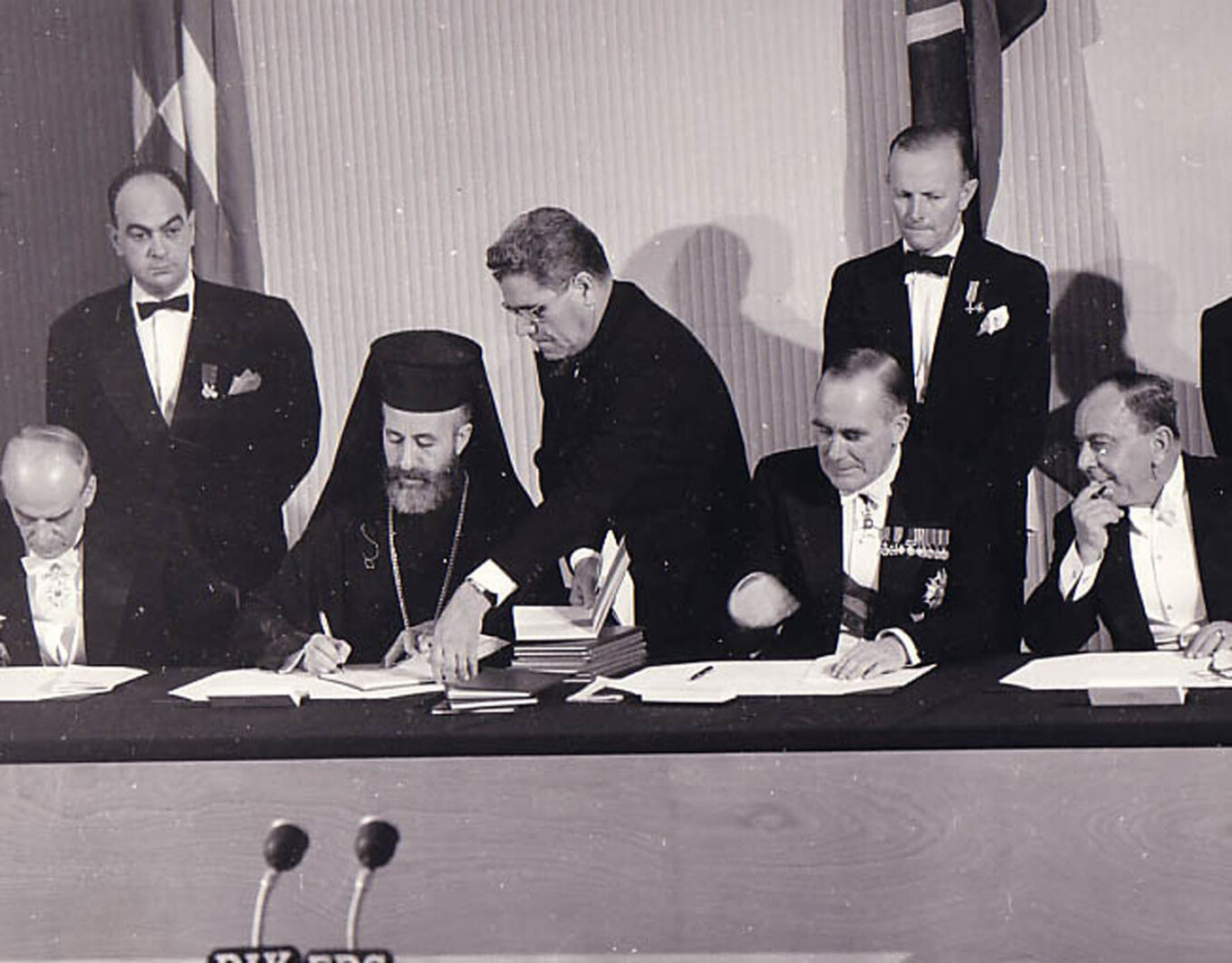
The Birth of the Republic of Cyprus and Constitutional Tensions
The Republic of Cyprus was established on August 16, 1960, but the constitution sowed the seeds of future conflict, upgrading the Turkish minority to a community with co-ownership of the island. The British retained 3% of the territory for their military bases in Dhekelia and Episkopi.
For Greek Cypriots, independence was seen as a temporary state, eventually leading to union with Greece. Turkish Cypriots, encouraged by Britain’s divide-and-rule policy, saw it as an opportunity for partition.
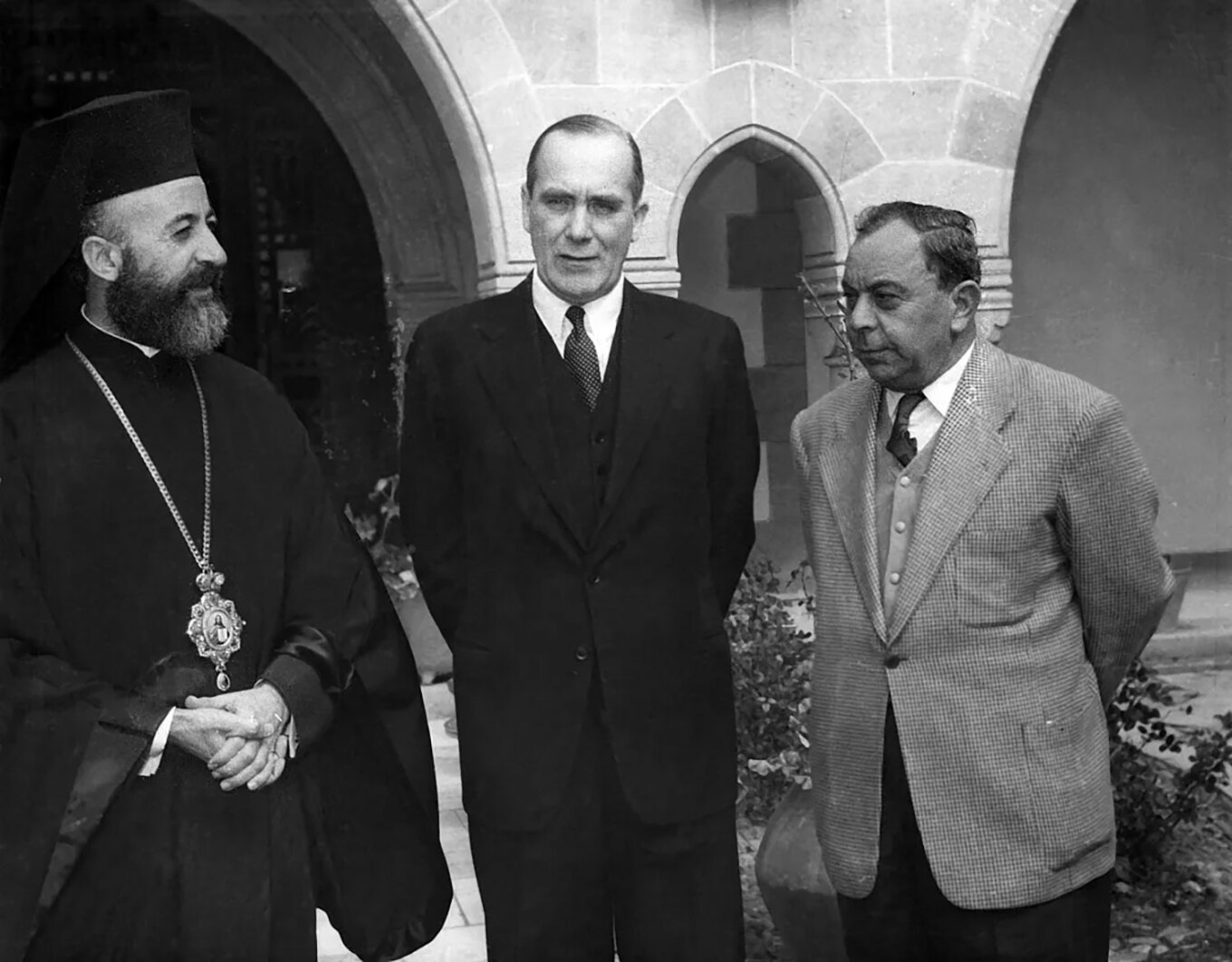
Independence Day and the Collapse of Coexistence
October 1 was later designated as Cyprus’ Independence Day, but the first real independence day was August 16, 1960, when the last British governor departed. However, tensions rose, and intercommunal violence broke out in 1963, leading to the departure of Turkish Cypriots from state structures and the beginning of the island’s division.
The military coup by the Greek junta on July 15, 1974, gave Turkey a pretext to invade Cyprus on July 20. Since then, 37% of the island has been occupied by Turkish forces, with the Turkish Cypriots declaring the “Turkish Republic of Northern Cyprus” on November 15, 1983, recognized only by Turkey.
Ongoing Occupation and Failed Negotiations
For the past five decades, negotiations for a solution to the Cyprus problem have been unsuccessful. Turkish actions, such as the settlement of occupied territories and the opening of Varosha, solidify the status quo, making resolution more difficult. In 2004, a UN-sponsored solution plan (Annan Plan) was rejected by Greek Cypriots as one-sided, though accepted by Turkish Cypriots.
The last significant attempt at a solution occurred in 2017 in Crans-Montana, where the UN proposed a six-point framework which Turkey rejected. Talks collapsed, and for the past seven years, no negotiations have occurred, with Turkey now insisting on a two-state solution and sovereign equality for Turkish Cypriots.
Ask me anything
Explore related questions




