






The employees of Generation Z are paving the way for future generations, continuing to prioritize a healthy balance between work and personal life. They are gradually outnumbering other generations in the workforce, thus changing the dynamics in the workplace and transforming today’s work culture.
A trend that is currently very popular is “micro-retirement,” which involves employees taking time off from work for a few weeks, months, or even longer.
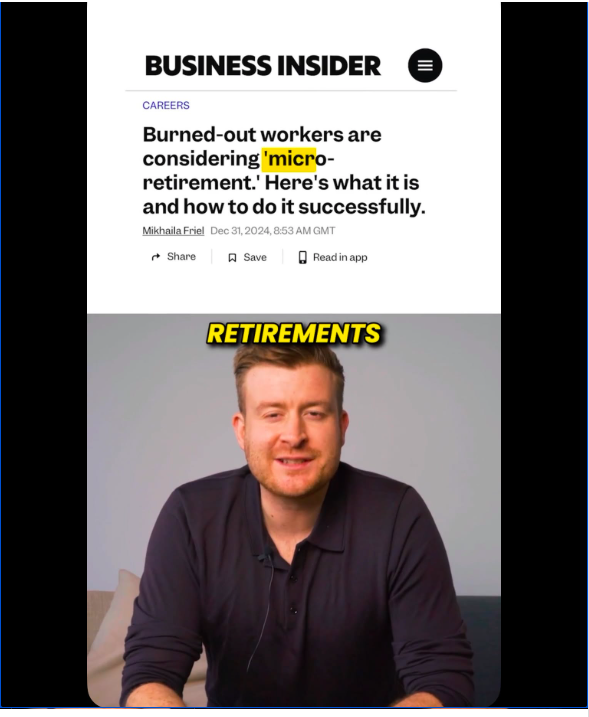
But what does “micro-retirement” mean?
The term “micro-retirement” became popular after the release in 2007 of the book by entrepreneur Tim Ferriss titled The 4-Hour Workweek. The rise of this trend, which is sweeping across social media platforms, follows a survey by Santander revealing that three-quarters of Generation Z stated they do not intend to work a nine-to-five job for the rest of their careers, as reported by the British newspaper Standard. Meanwhile, about 77% of respondents expressed confidence in their ability to start and successfully run a business – and 39% said that all they need to do this is their smartphone.
According to a similar report by Forbes, younger generations have begun to place greater emphasis on well-being and a good work-life balance. As Guy Thornton, founder of Practice Aptitude Tests, an online tool that helps employers find employees, explains, “Whether it’s taking time off to travel, taking a break from work, or engaging in other interests, the micro-retirement trend is the latest buzz in the corporate work world. Younger people prioritize mental health, personal fulfillment, and meaningful experiences over a singular focus on career advancement. In short, they don’t wait until they retire to travel the world; they do it now by taking extended breaks from their jobs.”
He adds, “Social media plays a role in this as well. It has amplified the desire to seize opportunities for unforgettable experiences and to explore the world or engage in hobbies and activities that workers may not be able to do at an older age.”
And while he notes that taking a year off from work may temporarily impact savings, it could positively contribute to overall retirement savings. He cites recent research involving 6,000 individuals, which reveals that 45% of respondents expect to work at an older age, while three out of four respondents reported making minimal or no financial planning.
“Looking at these statistics, it is clear that people are beginning to recognize that they may work until their 70s, which is why they are planning periodic breaks instead of postponing all leisure for the coming years,” he notes.

Although the idea of being away from work for a long period may seem daunting, Guy Thornton emphasizes that with the advancement of technology, the fear of losing touch with one’s field or the momentum of their career is decreasing. “While many who follow the micro-retirement trend may intend to stop working for a long time, for those who want to travel without losing income, the rise of remote work post-pandemic shows that individuals can maintain their jobs if they wish.”
How to Implement Micro-Retirement and What to Consider
Career coach Michael Lopez advised Business Insider: “Make a plan, but don’t have a strict schedule.” In the same article, career expert Tim Toterhi suggests creating a long-term financial plan that provides stability and financial security for those whose jobs don’t allow for extended absences. All experts recommend setting goals to ensure that your free time is meaningful and provides clear experiences of joy and happiness. Nonetheless, experts and those who have tried micro-retirement emphasize the importance of settling all financial obligations before undertaking it.
Ask me anything
Explore related questions




