





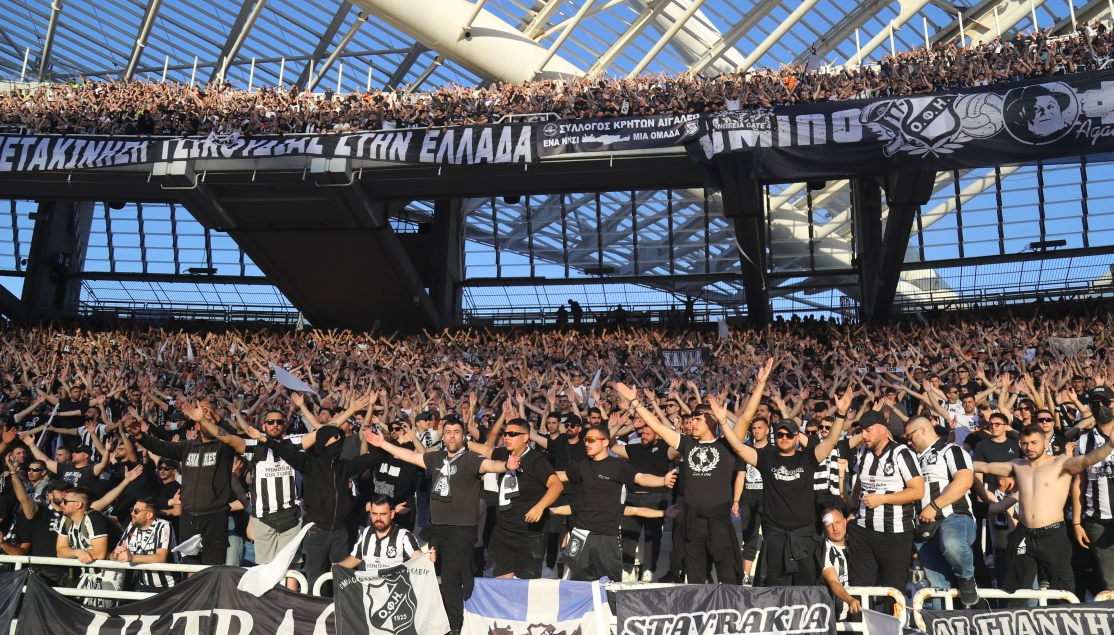
The night was filled with excitement, emotion, and vibrant support, especially from Crete and Piraeus, though it also highlighted organizational shortcomings reflective of Greek football’s ongoing challenges.
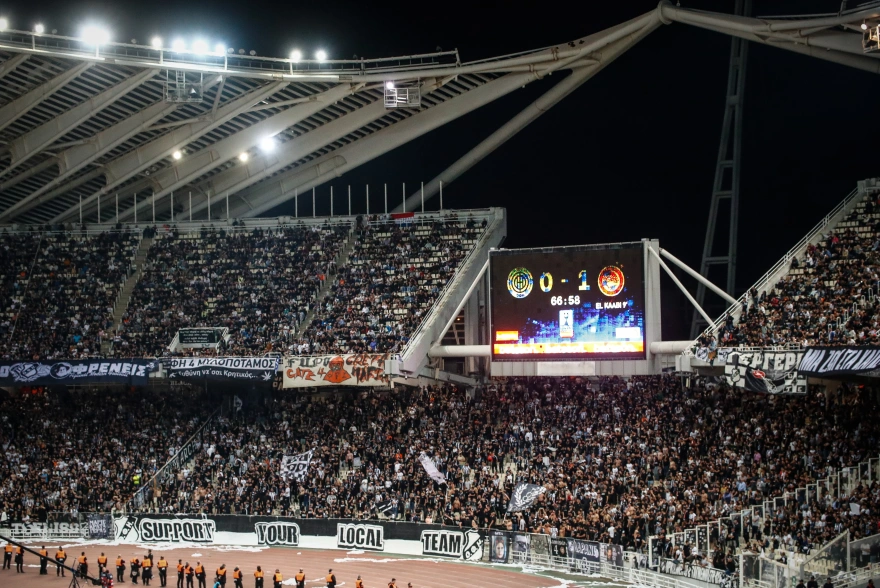
A standout moment was the massive turnout of around 17,000 OFI fans, a rare and moving sight in Greek sports, showcasing the cultural identity and passion of a team mobilizing thousands. Before kick-off, traditional Cretan dancers and musicians celebrated their heritage, creating a festive atmosphere reminiscent of past celebrations.
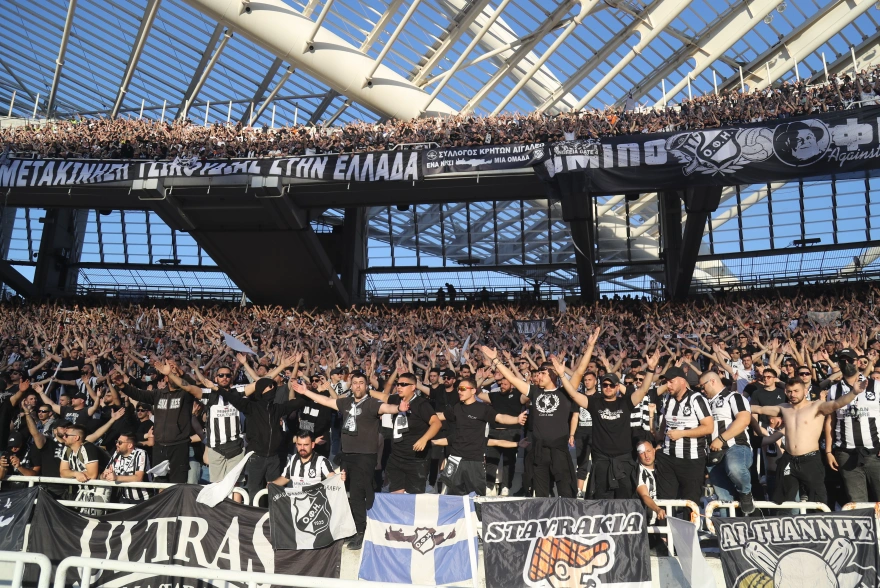
While the organization was generally good, issues such as insufficient staff directing spectators to their seats and limited visibility from the aging stands marred the experience. The trophy presentation was confined to a small area rather than the center of the pitch, and fireworks outside the stadium caused awkward moments.
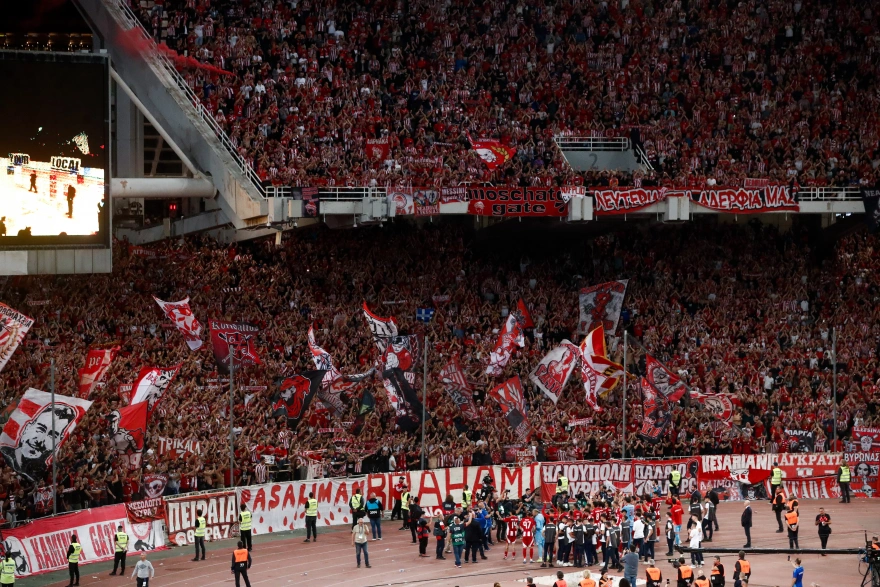
Security was exemplary, with the police maintaining strict measures to ensure a peaceful event, despite the striking presence of police vans. A touching gesture was the applause from Olympiacos fans for OFI players at the end, a rare display of sportsmanship. Conversely, criticism was directed at the Polish referee, Simon Marcinak, despite his correct and discreet officiating.
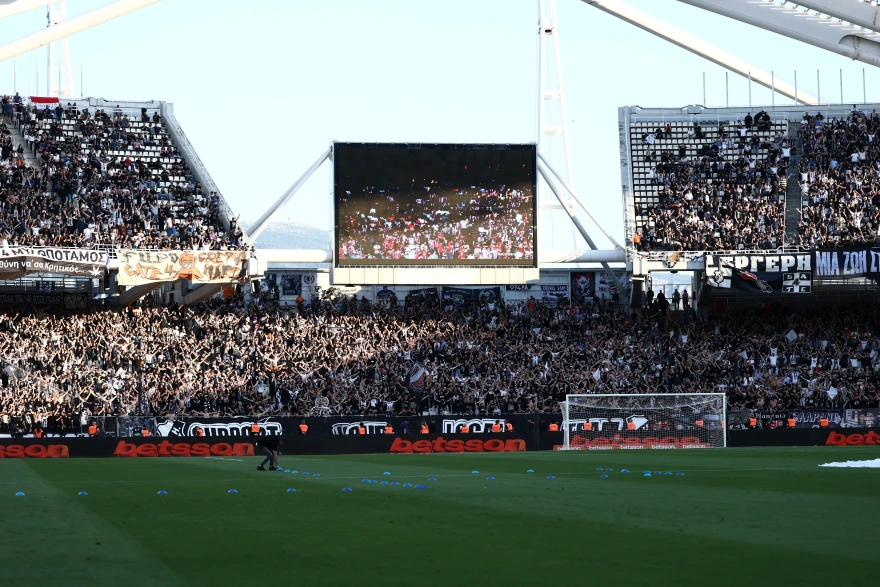
The match itself revealed the quality gap: OFI appeared nervous and unable to threaten Olympiacos, who managed the game efficiently. Coach José Luis Mendilibar’s tactical mastery was evident, and his team’s transformation was appreciated by the fans. For the first time in years, the final felt like a true celebration of the sport—full of participation, festive spirit, and moments of footballing culture—leaving hope that such experiences can guide the future of Greek football.
Ask me anything
Explore related questions




