





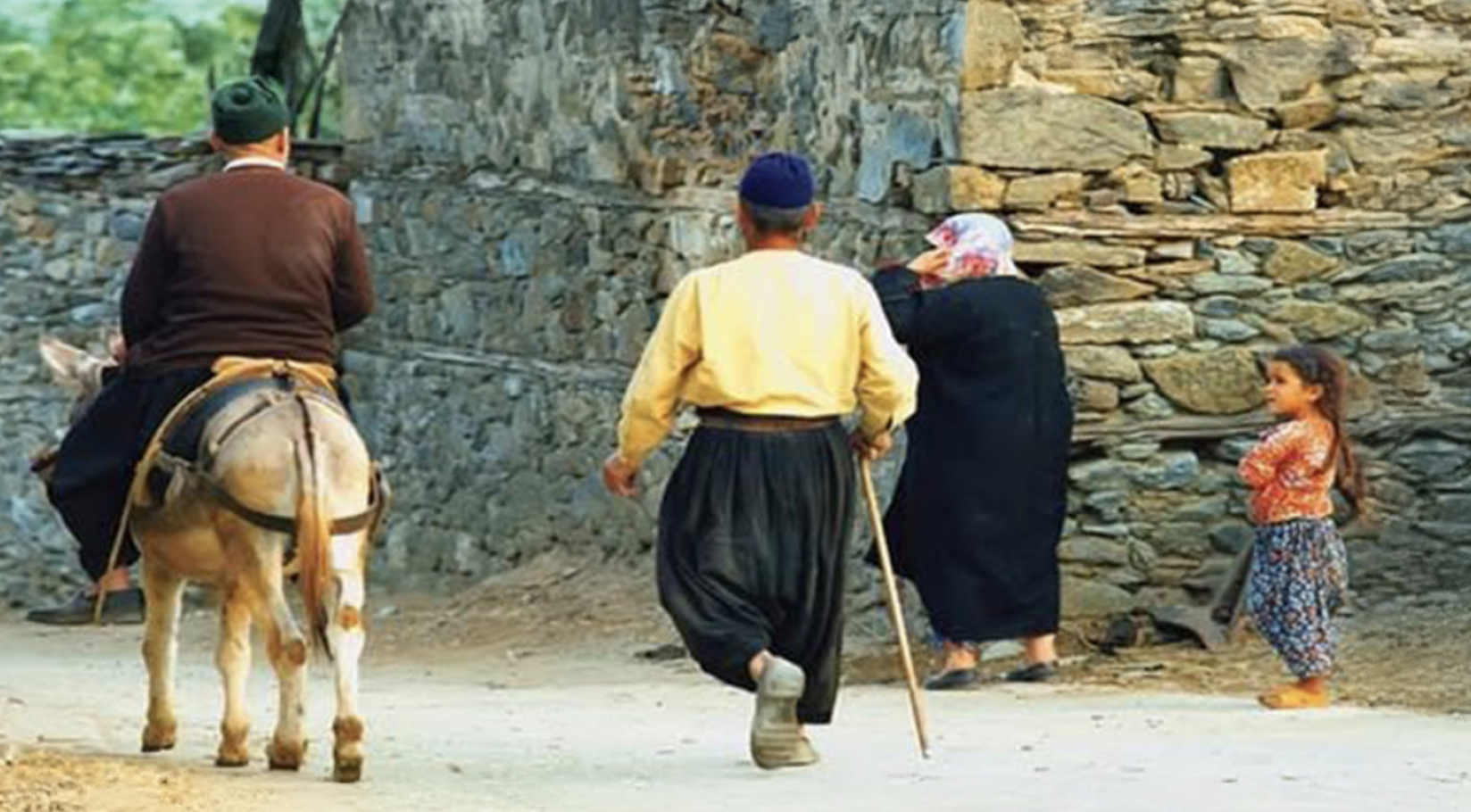
The directive by the Ministry of Education, Religious Affairs, and Sports, which provides for the recognition of the religious community of Bektashi Alevi Muslims in Thrace as a religious legal entity, has sparked considerable discussion, mainly because it concerns certain compatriots from Thrace, whom very few outside this remote border region of our country are familiar with.
We had previously dealt with the Bektashi Alevis, back on 23/12/2019, in our article titled “Bektashism: The Trojan Horse of Islam in the Balkans.”
The truth is, that the title of the article may seem startling and provocative. Let us clarify that although the Bektashis were initially used by the Ottomans to conquer certain areas, such as Thrace, and convert Christians—mainly adherents of Christian sects—after the disruption of relations between the Ottoman Empire and the Bektashis (15th century), the latter’s behavior towards Christians changed radically.
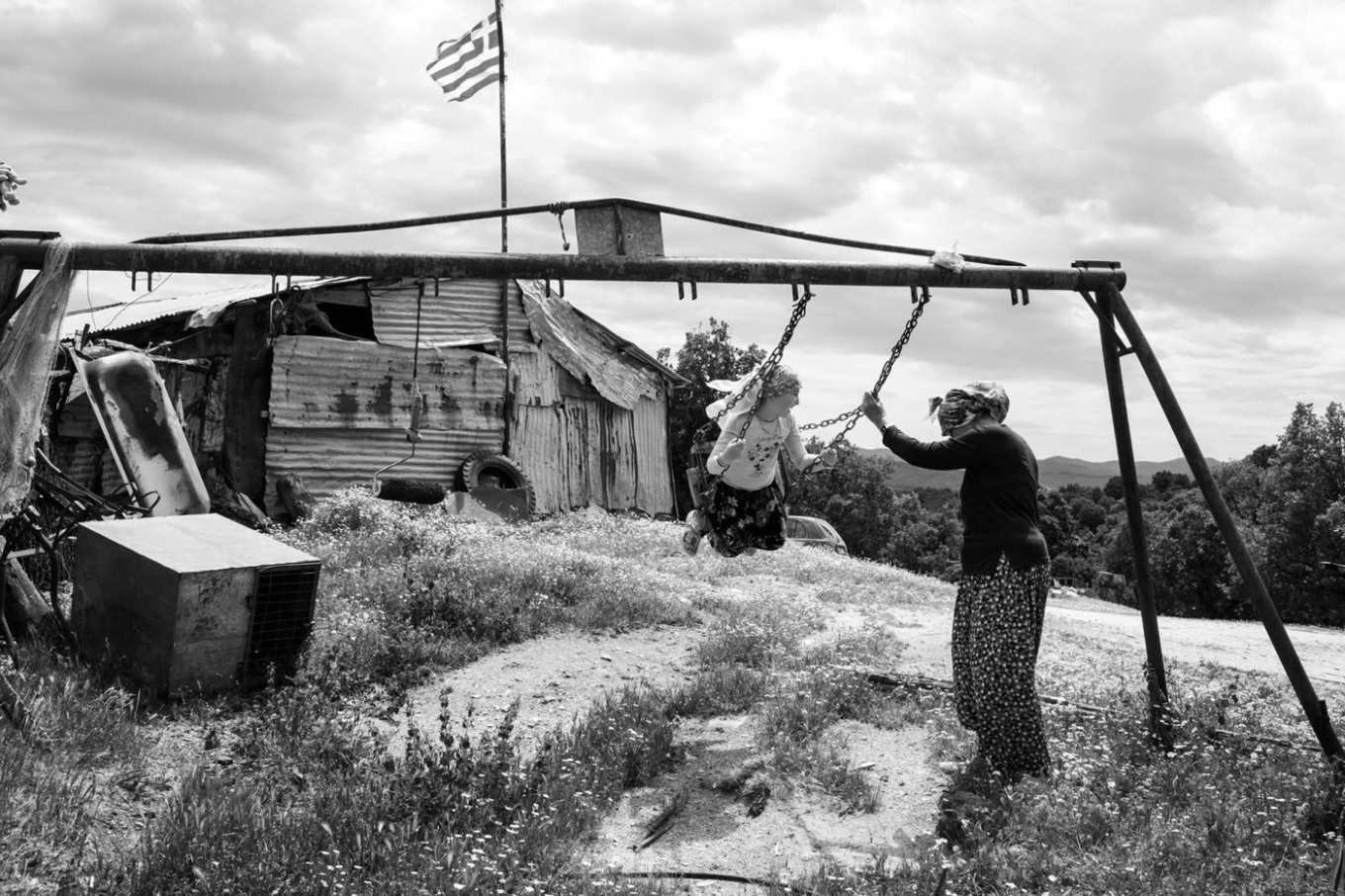
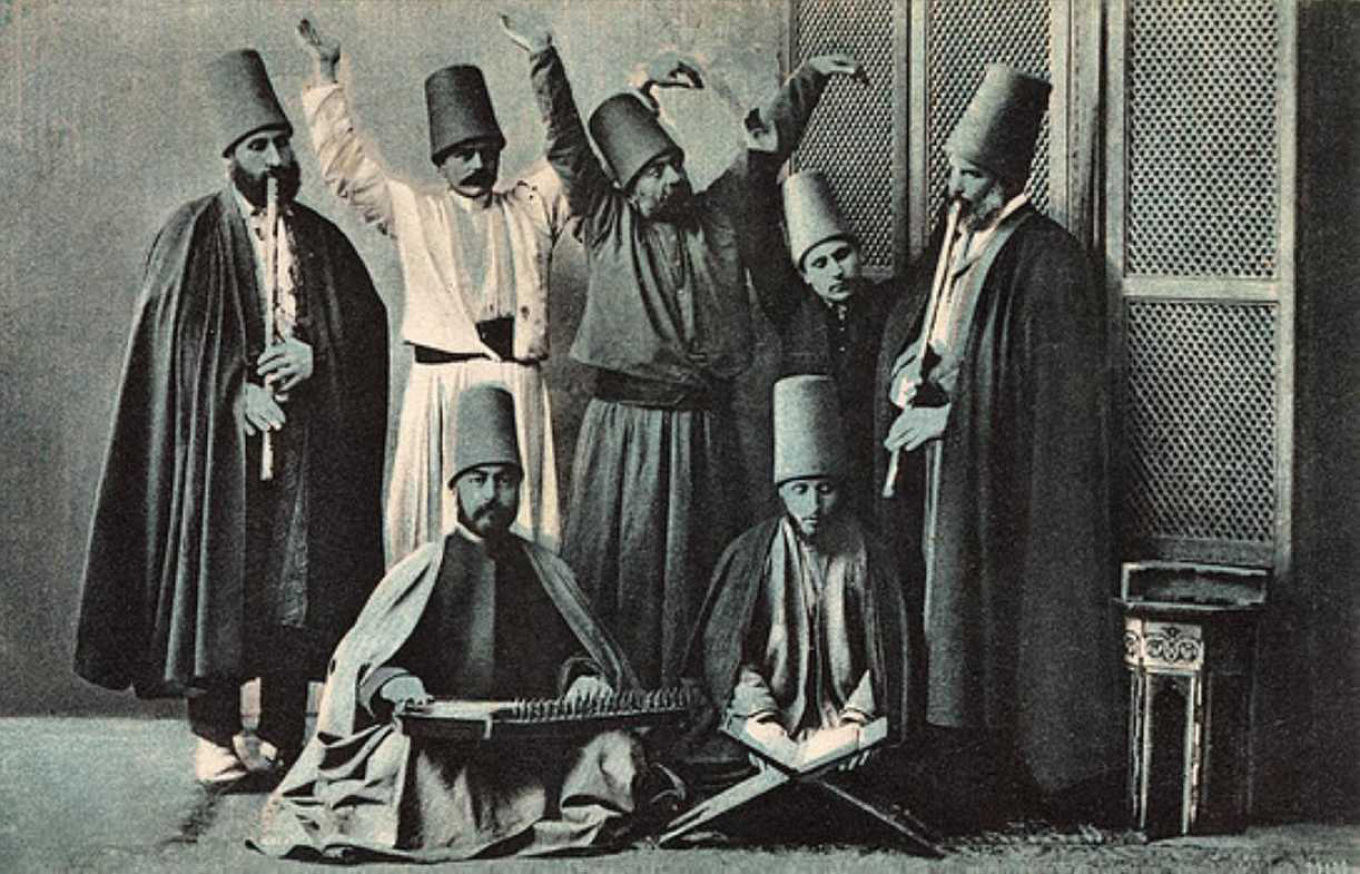
Bektashis of Thrace
Efstratios Ch. Zeginis, in his book “Bektashism in Western Thrace”, writes:
“At this stage (i.e., the 15th century), Bektashism became a true refuge for the Christians of Thrace, who were forced by circumstances to convert to Islam and integrate into Turkish society. The liberalism of the Bektashis, combined with the friendly relations that had developed between them and the Christians, facilitated the approach of Christian lay masses, as in this way they ensured the possibility of preserving many Christian customs and, above all, the hope of returning to their ancestral faith.”
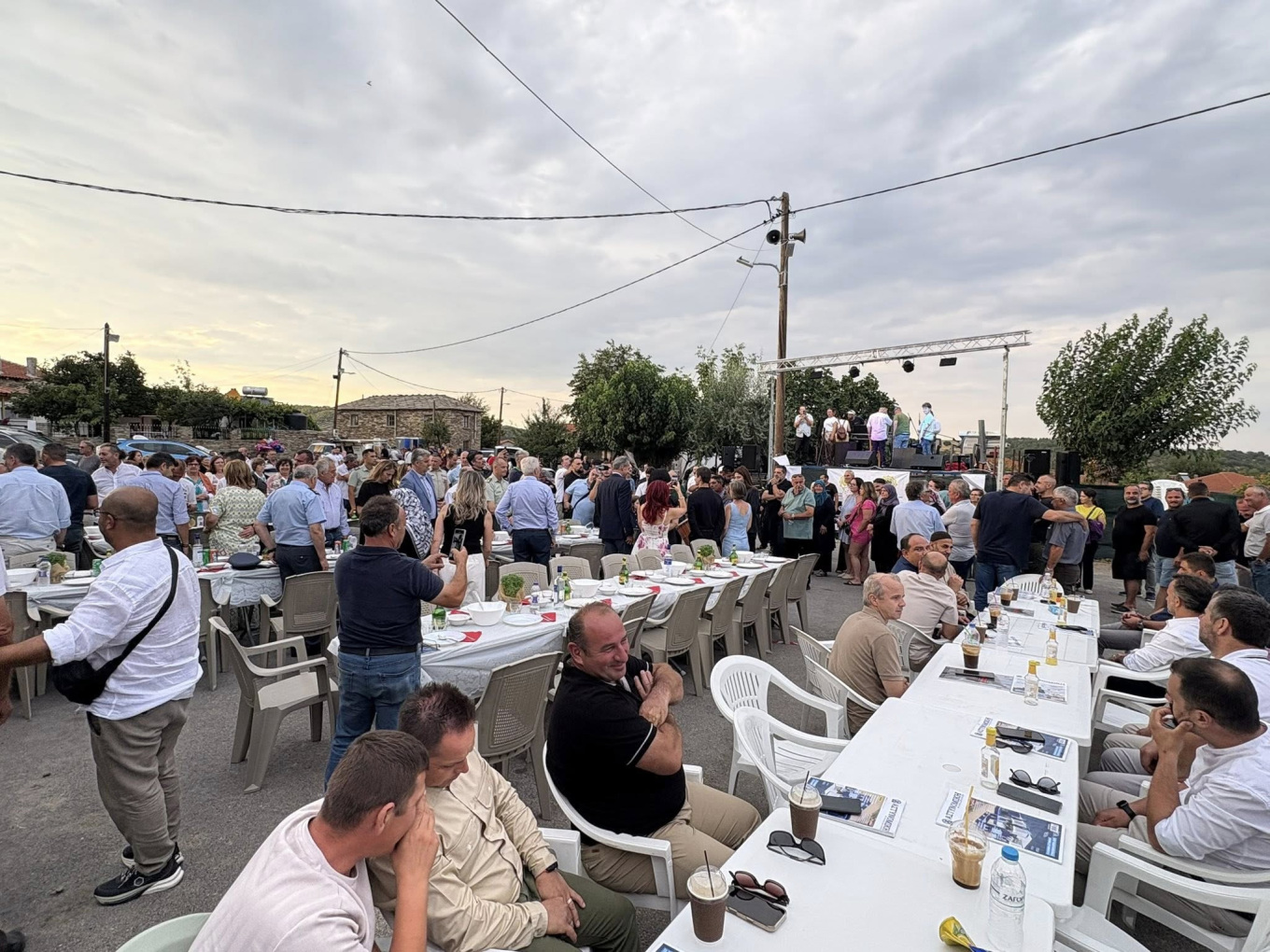
The Shared Meals of the Alevis
In the 23/12/2019 article, you can find extensive information on the history of the Bektashis and what differentiates them from Sunni Muslims. Today, we will explore the common folk religious customs of Christians and Bektashis. On this subject, valuable data was gathered by the British archaeologist F. Hasluck, who traveled throughout Greece from 1889 to 1916.
The result of his travels was the studies “Ambiguous Sanctuaries and Bektashi Propaganda” and “Geographical Distribution of the Bektashi”, published in the Annual of the British School at Athens XX (1913–1914), pp. 94–122, and XXI (1914–1916), pp. 84–124 respectively. After his death in 1929, his wife Margaret reissued these studies, adding previously unpublished material, under the title “Christianity and Islam under the Sultans”, in two volumes (Oxford, 1929). The work was reprinted in New York in 1973.
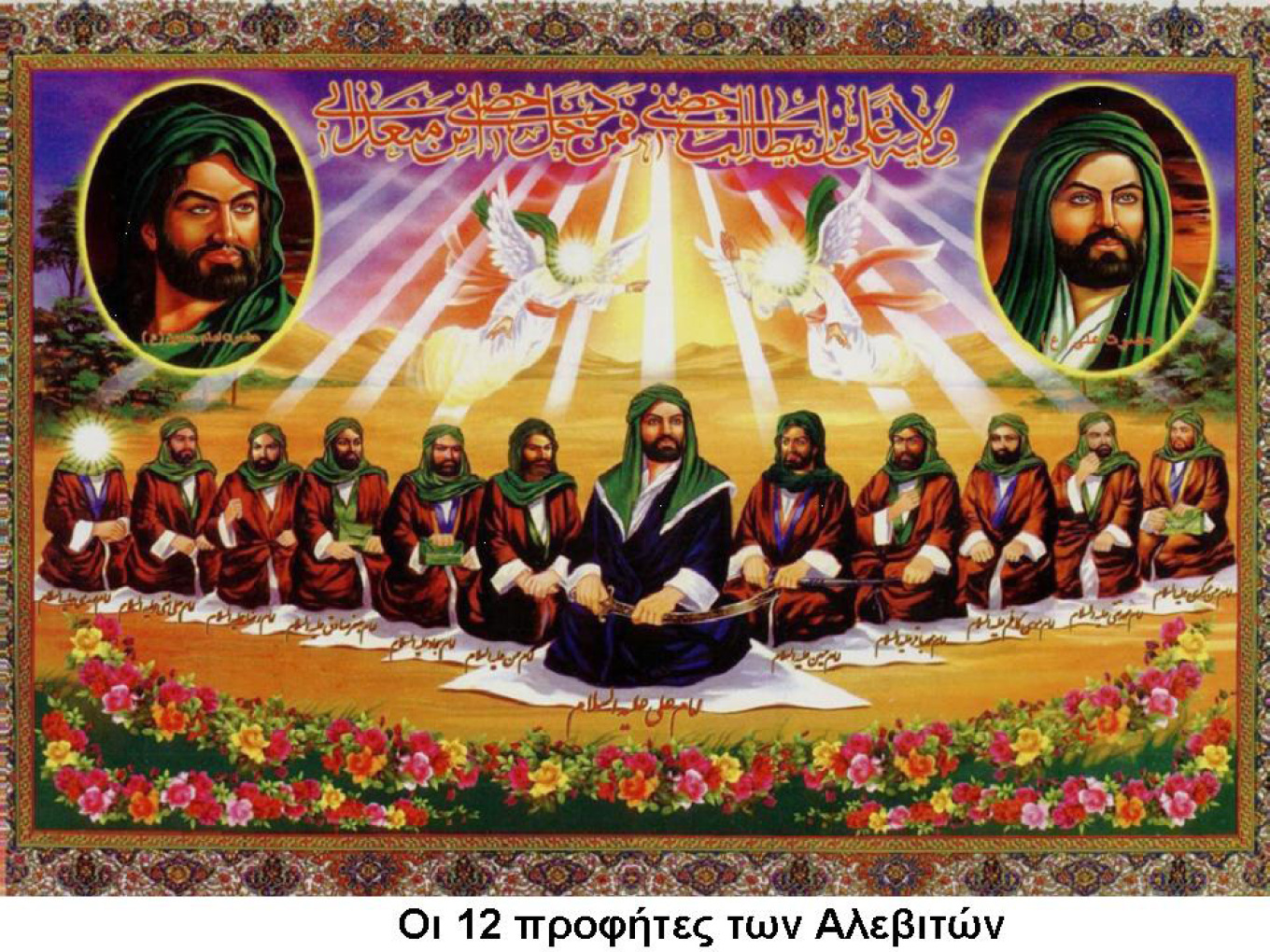
The 12 Prophets of the Alevis
However, Hasluck’s data come from other regions, and references to common religious customs of Christians and Bektashis in Western Thrace are few. Efstratios Zeginis, through site visits and years of contact with Bektashis in Thrace and some Pomaks (Sunni Muslims), recorded Bektashi customs that are identical (or nearly so) to those of Christians in this remote area of Thrace. Let’s examine them in detail.
Common Religious Rituals of Christians and Bektashis in Thrace
a) Bektashis visit Christian chapels, mainly those dedicated to Saint George, to pray or offer animal sacrifices (kourbani) on the saint’s feast day or another date they choose. These chapels include:
i) Saint George of Drymia, in the community of Paschalia, 40 km NW of Xanthi.
ii) Saint George of Potamos, 4 km outside Alexandroupolis, on the road to Avantas.
iii) Saint George (or Saint Constantine) of Loutrós, 13 km from Alexandroupolis, on the road to Feres. The residents of Loutrós, refugees from Kessani in Eastern Thrace, named the church after their homeland’s central church, Saint Constantine. However, local Muslims advised them to call it Saint George. Thus, the church bears both names.
iv) Saint George of Petrota, 32 km SE of Komotini, at the end of the road connecting Komotini with Askites. The church is on a rocky hill, about 15–20 minutes from the road.
These chapels were used during the Ottoman period by Bektashis and other non-Sunni Muslims as tekkes (Muslim dervish monasteries). Although tekkes were banned in Turkey by Kemal Atatürk in 1925, this was not enforced in Greece. Local Muslims still refer to these chapels as tekkes.
b) Bektashis venerate Christian saints, whom they identify with Muslim saints. The most prominent among them is Saint George, whom Bektashis–Kizilbash in Western Thrace equate with Prophet Elijah and call Hiderellez. The compound name comes from Hizir, who protects the seas, and Il(l)iaz (Elijah), protector of the land. Among Bektashis of Western Thrace, Prophet Elijah is often identified with the horse-riding Saint George.
Like among Christians, Prophet Elijah is venerated on mountain peaks, such as that of the Eastern Rhodope range, which they call Hilgia. Bektashis also reverently invoke the Virgin Mary—something also done by Pomaks not affiliated with Bektashism. In Pomak regions such as Oraio (Xanthi) and Kehros (Rhodope), there are toponyms like Theotoka and Marikoz, directly referencing the Virgin Mary.
c) Bektashis maintain a religious calendar that includes Christian saint prototypes. Their feasts are fixed and not part of the Sunni Muslim calendar. The foremost Bektashi feast is Hiderellez, celebrated on May 6.
Celebrations are held in Thermes (Xanthi), Echinos, Roussa, Sidironero, Petrota, and even in suburbs of Xanthi and Komotini.
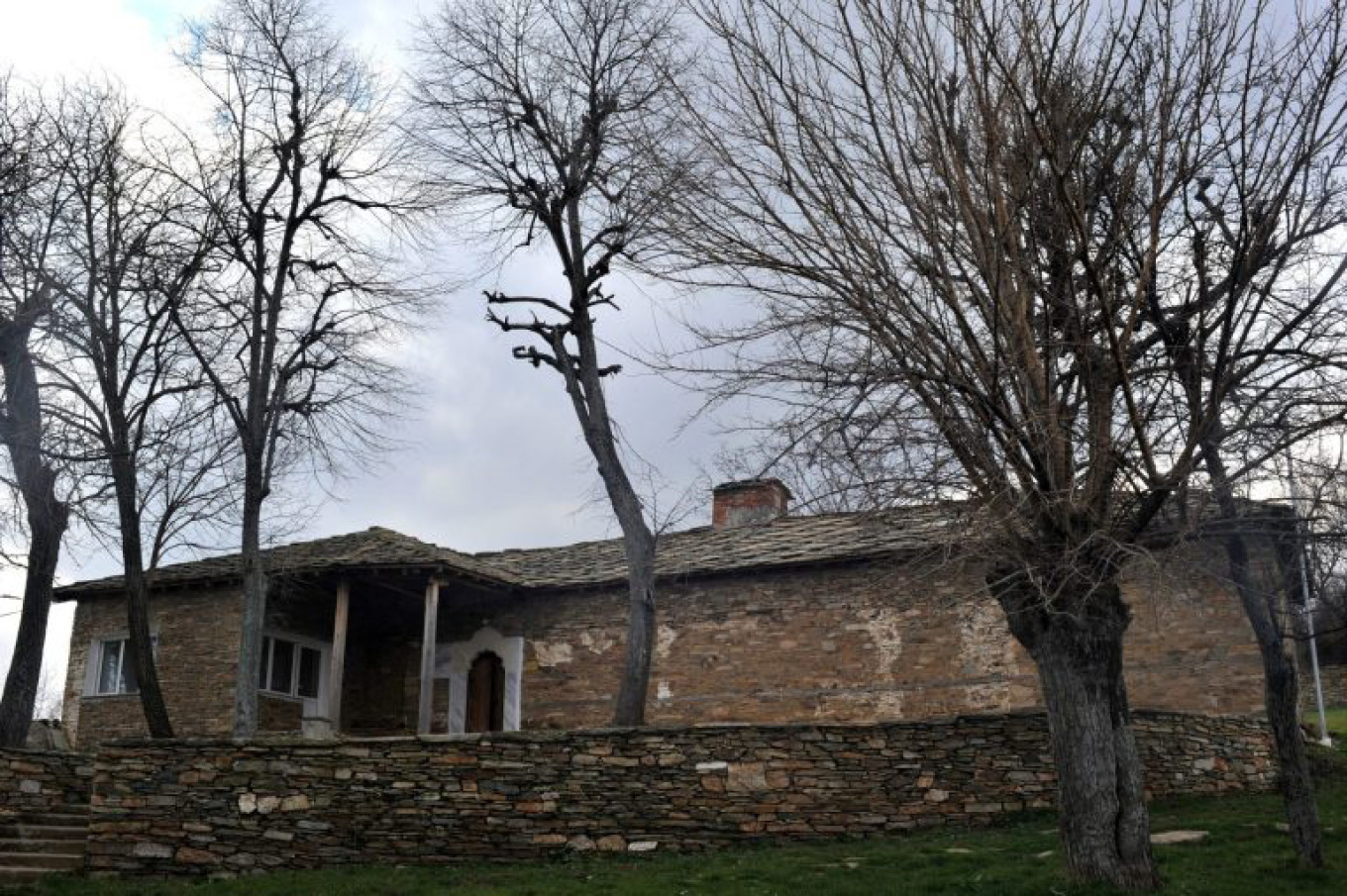
The Tekke of Roussa
Second on the Bektashi calendar is Kirk Kurban, on June 15. Celebrations center around Chloi, about 70 km from Komotini. There, men gather in a field 3 km east of Chloi to perform animal sacrifices. The meat is cooked in large cauldrons and served at communal meals—Sunni Muslims abstain, considering the meat tekbirsiz (“unblessed”). Bektashis also discreetly consume raki.
Third is Yagla (“Festival of the Plateau”), held on August 3 in the mountainous Hilgia region, 20 km north of Roussa. Women are strictly forbidden. A host called Yagla Agasi, from specific villages west of Diavolorema, organizes and finances the event. At midnight, initiated Bektashis gather at Roussa’s tekke for a mystical meeting. Traditional wrestling matches are held under the supervision of an elder.

Fourth is the Ali Baba festival, celebrated the Thursday after August 15, in Ano Kampi (Rhodope). Once a women’s celebration, it now includes men. At sunrise, women bathe at the iz pinari spring northeast of the village, next to an old oak. Those seeking healing wash the afflicted body parts three times, invoking their illness and God’s name thrice.
A fair and animal market are held. Though no public wrestling occurs, it is said women privately wrestle at night.
Fifth and final is Kasim, on November 8, marking winter’s start. Animal sacrifices are performed—mainly roosters, as also done by some Christians in Didymoteicho, possibly as a remnant of ancient pagan rituals honoring Asclepius for health.
d) Bektashis perform animal sacrifices like Thracian Christians do, during saint celebrations or other occasions. Animals include calves, lambs, goats, and roosters. The meat is cooked and eaten with specially prepared bread. In some cases, bones are buried, similar to the anastenarides ritual.
e) Bektashis visit sacred springs (agiasmata), wash or drink the holy water, like Christians. Historical sources such as Hadrianopolitan historian Hibri (1604–1676) mention such springs near Feres, Fekeli, and Adrianople. One notable site is Saint George (Saint Constantine) of Traianoupolis, where an icon of Saint George hangs. According to Raphaela Lewis and Turkish scholar Ahmet Yasar Ocak, this Muslim practice is influenced by Christianity.
f) Bektashis and Christians visiting chapels, springs, or Bektashi saint tombs tie threads or garments to nearby trees. Some even hang entire clothing items covering the afflicted body part. Christians in Didymoteicho share this tradition.
g) Bektashis, Kizilbash (considered by some as identical to Bektashis, though others note differences), and some Sunni Pomaks offer items at Christian chapels—such as Quran-engraved plaques, embroidered cloths, pitchers, slippers, prayer beads. In tekkes, they offer pillows, slippers, pitchers, prayer beads, etc. At Bektashi tombs (indoor or open-air), they also light candles.
Epilogue
The common religious customs of Christians and Bektashis in Thrace stem from the roots of Bektashism, but primarily from long-term cohabitation. Bektashism is a popular religious movement with simplified teachings, accessible to the spiritual understanding of its followers. This explains the absence of interchurch relations between Christians and Bektashis during the Ottoman era—despite both groups facing equally harsh treatment by the Sunni Ottoman state.
Source: Efstratios Ch. Zeginis, “Bektashism in Western Thrace”, 2nd Edition, P. Pournaras Publications, Thessaloniki, 1996.
Ask me anything
Explore related questions




