





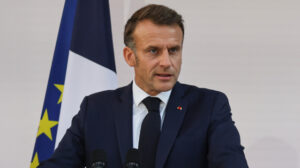
France is entering a new political crisis after François Bayrou‘s government was voted down in parliament by 194 votes to 364. Bayrou himself, who had triggered the confidence process by attempting to back his tough 44 billion euro debt reduction package, announced he would resign today.
President Emmanuel Macron, facing his sixth change of prime minister since 2017, has ruled out the possibility of early elections. He said in a statement that he had “taken the result into account” and would appoint a new prime minister “in the coming days”. According to AFP reports, the choice could be announced as early as today.
Succession speculation is rife in Paris. The most prevalent are seen as figures with experience and a close relationship of trust with Macron, such as Justice Minister Gérald Darmanin and Defence Minister Sebastian Lecony. Also on the list are Health Minister Catherine Vautrain and Finance Minister Eric Lombard.
Beyond the cabinet, names from outside the government are also on the table. Rafael Glucksman, leader of a progressive leftist movement, and former prime minister Bernard Casneve, with a stint in the Socialist Party, are seen as possible options that could broaden the political balance.
Bayrou’s fall makes him the sixth prime minister to leave under Macron, after Edouard Philippe, Jean Castex, Elisabeth Bourne, Gabriel Atal and Michel Barnier. The constant rotation of prime ministers illustrates the president’s difficulty in maintaining a stable balance in the National Assembly, especially after elections that failed to produce an absolute majority.
The question now is whether the new choice will be able to secure government stability and pass needed economic reforms, while the opposition seeks to exploit Macron’s political attrition to call for new elections.
Ask me anything
Explore related questions




