





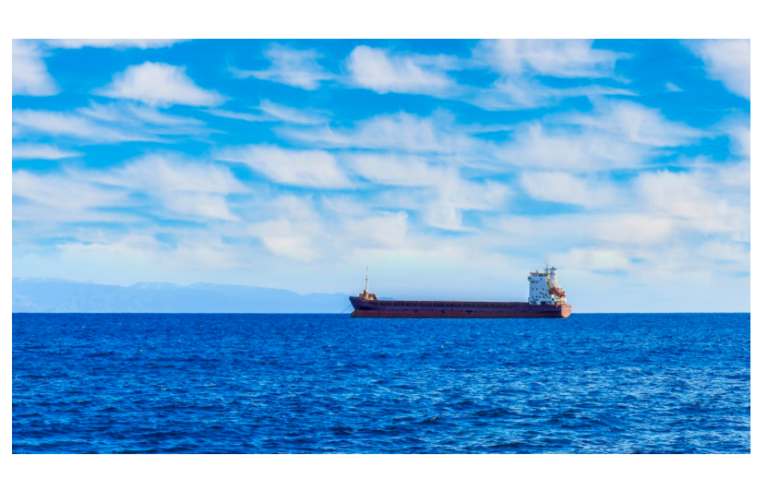
The G7 countries and the European Union are discussing a complete ban on shipping services as part of efforts to reduce revenues from Russian oil, which finances Russia’s war in Ukraine, according to six sources cited by Reuters.
Russia exports more than a third of its oil using Western tankers—mainly to India and China—relying on Western shipping services.
The remaining two-thirds of Russian oil are transported via the so-called “shadow fleet,” hundreds of tankers operating outside Western oversight and shipping standards. Russia would need to further expand this fleet if the G7 and EU impose a ban on shipping services.
The G7 imposed a price cap on Russian oil in 2022, after Russia’s invasion of Ukraine, to limit Kremlin revenues while allowing third countries to continue buying Russian oil using Western services—but only if buyers paid Russia less than the capped price.
The ban could be included in the next EU sanctions package
The shipping services ban may be included in the EU’s next sanctions package against Russia, expected to be unveiled in early 2026, three of the six sources told Reuters.
The 27-nation EU wants to approve the ban jointly with the G7 before introducing it formally in the sanctions package, according to two of the sources.
The sources requested anonymity due to the sensitivity of the matter. UK and U.S. officials are moving forward with the idea during G7 technical talks, they said. Any final U.S. decision will depend on pressure from the Trump administration, as Washington-mediated peace talks between Ukraine and Russia continue.
Although the G7 and EU have almost completely halted imports of Russian oil since 2022, the new measure would be the closest step yet toward a full ban on dealings with Russian crude and fuels—not only at the import level, but also in shipping services and transport.
To bypass the price cap, Russia shipped much of its oil to Asia using its own vessels, many of which are under Western sanctions. These ships are old, have unclear ownership, and sail without Western insurance.
The administration of former U.S. President Joe Biden argued that if Russia spent more money on tankers, it would have less money to wage war in Ukraine.
The Trump administration has been more cautious regarding the price cap and refused to support the UK, EU, and Canada when they agreed to lower the crude oil price cap from $60 per barrel to $47.6 per barrel in September 2025.
Ask me anything
Explore related questions




