





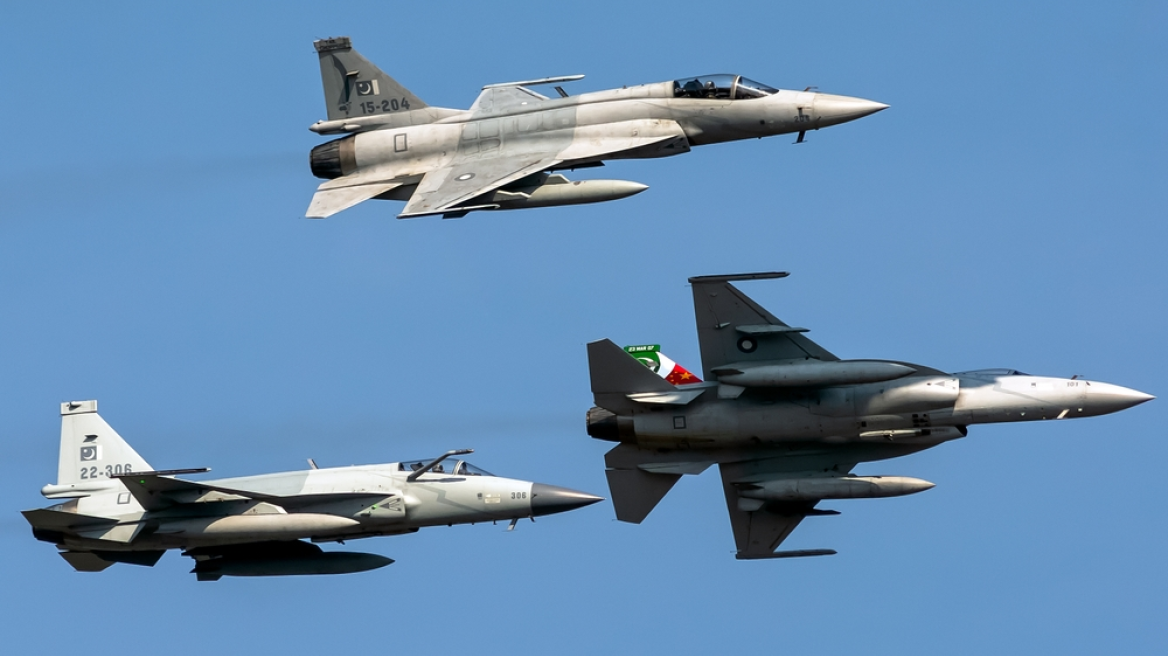
Cross-border fighting between Pakistan and Afghanistan intensified overnight, with both sides reporting heavy losses and Pakistan’s defense minister declaring that his country is in an “open war” with its neighbor.
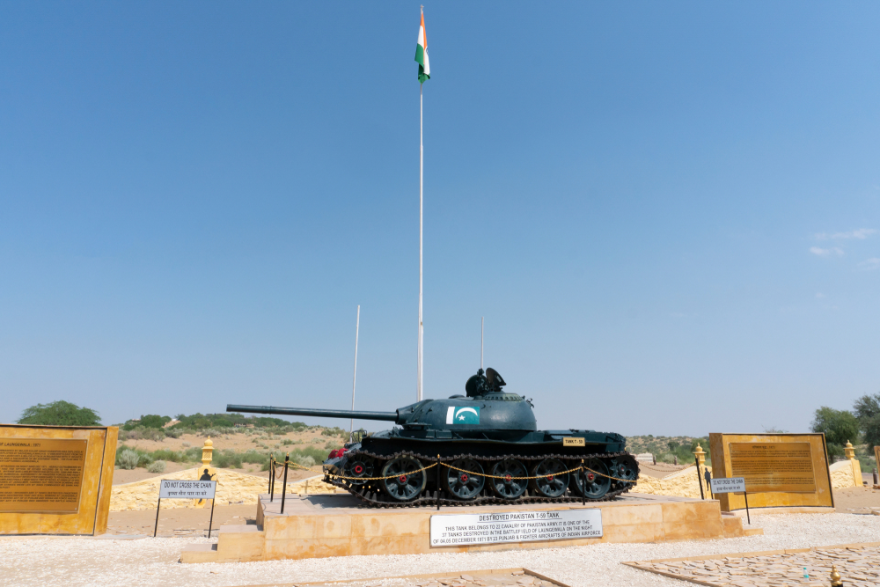
As tensions continue and the likelihood of further escalation appears high, Islamabad seems ready to enter the conflict from a position of strength, according to data from the London-based International Institute for Strategic Studies on the military forces and arsenals of the two countries.
Armed forces of Pakistan and Afghanistan
Overall, Pakistan’s armed forces benefit from steady recruitment and retention, supported by equipment from its main defense partner, China. Islamabad continues to invest in its military nuclear programs and is also modernizing its navy and air force.
At the same time, the capabilities of Afghanistan’s Taliban forces are declining, with reduced ability to use foreign equipment that the Islamist group seized when it returned to power in 2021. The lack of international recognition of the Taliban administration has also hindered military modernization.
Personnel
Pakistan has 660,000 active defense personnel:
- 560,000 in the army
- 70,000 in the air force
- 30,000 in the Navy
The Afghan Taliban’s force is smaller, with about 172,000 active members, though the group has announced plans to expand to 200,000.
Tanks and artillery
Pakistan has more than 6,000 armored combat vehicles and over 4,600 artillery systems.
Afghan forces also possess armored vehicles, including Soviet-era main battle tanks, armored personnel carriers, and other systems, but exact numbers are unknown. The number of artillery pieces—of at least three different types—is also unclear.
Air force
Pakistan operates a fleet of 465 fighter aircraft and more than 260 helicopters, including multi-role, attack, and transport types.
Afghanistan has no fighter jets or a real air force. It is known to have at least six aircraft—some dating back to the Soviet era—and 23 helicopters, though it is uncertain how many are operational.
Nuclear arsenal
Pakistan is a nuclear-armed country with about 170 nuclear warheads, while Afghanistan has none.
History of conflict
Once allies for years, Afghanistan and Pakistan have engaged in sporadic clashes since the Taliban regained power in Kabul in the summer of 2021.
Islamabad accuses Kabul of providing safe havens to armed groups carrying out attacks inside Pakistan, which Kabul denies.
Since October, land border crossings between the two countries have been closed except for Afghans returning home.
A brief ceasefire approved on October 19 through mediation by Qatar and Turkey collapsed just nine days later, after Islamabad accused Kabul of orchestrating attacks by the Pakistani Taliban movement.
Several rounds of negotiations since then have failed to resolve the conflict, although Saudi mediation led to the release of three Pakistani soldiers captured by Afghan Taliban fighters.
Ask me anything
Explore related questions




