





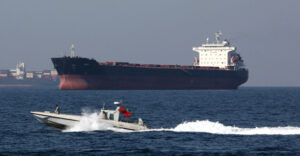
The war in the Middle East that broke out on February 28 has caused severe disruption to shipping in the Persian Gulf, with more than 240 cargo ships over 25,000 deadweight tons (DWT) stranded in the Strait of Hormuz.
The figures are based on AIS tracking signals, meaning the actual number could be even higher, as some vessels may have switched off their transmitters for safety reasons. Despite the general standstill, a small but steadily increasing number of cargo ships are attempting to cross the strait.
During the first week of the crisis, an average of one ship passage per day was recorded. In recent days, the rate has increased to two ships per day, compared with seven transits on February 26—two days before the clashes began.
80% of ships remain stranded
According to Signal Ocean, 36 vessels have successfully crossed the strait, leaving more than 80% of cargo ships still stranded. Several ships with Chinese ties were among those that passed, which may indicate a potential trend of increased transits by China-linked vessels.
By contrast, the Iranian side has stated that ships linked to the United States, Israel, and other countries involved in the attacks will not be allowed to pass, maintaining strategic control over the strait.
The crisis in the Strait of Hormuz is already affecting about 4% of the world’s dry cargo trade, disrupting international supply chains and raising concerns across the global shipping market. Experts warn that the situation could worsen if military tensions and restrictions on ship transit continue.
Meanwhile, the shipping community is watching the situation with growing concern as insurance premiums in international markets continue to surge, making passage through the strait both a risky and a critical decision for shipowners.
Ask me anything
Explore related questions




