





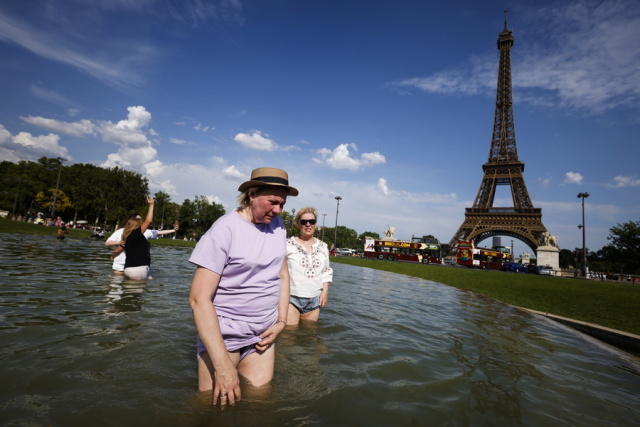
Europe’s latest heatwave has turned deadly in France, where at least 40 people have drowned as residents seek relief from temperatures climbing above 40C. The deaths have prompted renewed warnings over unsafe swimming, with French authorities urging people to avoid unsupervised rivers, lakes and other hazardous water spots as much of the country remains under severe heat alert.
The starkest human costs of the current heatwave
The drownings in France are not all classified as direct heat deaths, but officials have linked the surge to the dangerous rush towards water during days of extreme temperatures. French Civil Security has warned that sudden immersion, fatigue, alcohol, hidden currents and swimming in banned areas can quickly become fatal, especially during periods when large numbers of people try to cool off in places without lifeguards.
France is among the hardest-hit countries in Europe. Météo-France has placed 54 departments on red alert, its highest heat-warning level, while much of the rest of the country is under orange alert. The heat has disrupted schools, transport and public life, with more than 1,300 schools closed or partially closed and some train services cancelled or reduced because of the extreme conditions. Authorities have also moved to protect the elderly, people with health conditions and those living in poorly cooled housing, as the country faces comparisons with the catastrophic 2003 heatwave.
The current spell has also brought further tragedy. Two young children were found dead inside a car in south-eastern France, in a case now being investigated by authorities. Heat is considered a likely factor. France has also reported deaths among elderly people in the south-west, while emergency services remain under pressure from heat-related calls.
The heatwave is being driven by a slow-moving “Omega block” weather pattern, in which high pressure becomes locked over the region and traps hot air for several days. Scientists and forecasters have warned that climate change is making such events hotter, longer and more dangerous, particularly in cities and in southern Europe, where infrastructure, public health systems and tourism activity are all being tested at once.
Europe is burning up
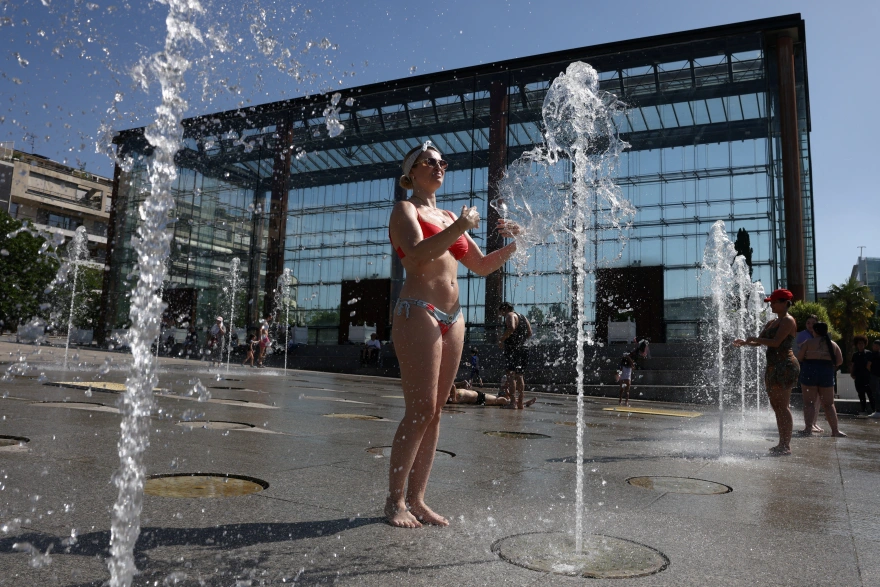
In Spain, authorities have opened cooling shelters and warned of temperatures reaching the low-to-mid 40s in several areas. Madrid has activated measures for vulnerable residents, while parts of the country are facing severe stress on public spaces, transport and health services. The heat is also increasing wildfire risk, especially in dry inland and Mediterranean zones where high temperatures, low humidity and wind can quickly turn small outbreaks into major emergencies.
Italy has issued its highest heat alerts for several cities, including Rome and Milan, with health authorities warning residents and visitors to avoid outdoor activity during the hottest hours of the day. The warnings are especially serious for older people, children, outdoor workers and those with chronic health problems. In major urban centres, high overnight temperatures are adding to the strain, preventing buildings from cooling down and increasing the risk of exhaustion.
In the UK, forecasters have warned that June temperature records could be broken, with parts of the country expected to approach or exceed the high 30s. London and southern England are facing particular pressure from heat, transport disruption and possible thunderstorms. Health warnings have been issued as the country prepares for conditions more commonly associated with southern Europe.
Switzerland has introduced water-use restrictions in some areas as rivers, lakes and reservoirs come under pressure. Germany, Belgium and parts of central Europe are also facing high temperatures, while forecasters have warned that storms may follow the heat in some regions as cooler air collides with the hot mass now sitting over the continent.
Greece cooler for now
Greece is not currently at the centre of the most extreme heat affecting western Europe, but the country remains exposed to the broader Mediterranean pattern. Temperatures are expected to remain high for the season, reaching around 35C to 36C on parts of the mainland, with strong northerly winds in the Aegean. These winds can offer some relief from heat on the islands, but they also increase fire risk when combined with dry vegetation and high temperatures.
Greek forecasters have also warned of instability from midweek, with rain and thunderstorms expected in several mainland areas from Wednesday through Friday. This pattern is typical of periods when hot air builds over land and produces afternoon storms, particularly in mountainous and northern regions. For residents and visitors, the practical risks are twofold: heat exposure in cities and open landscapes, and sudden weather changes in the interior.
The General Secretariat for Civil Protection continues to publish daily fire-risk maps as Greece moves deeper into the summer season. Even without the most extreme temperatures seen in France, Spain or Italy, strong Aegean winds, dry ground and rising visitor numbers create a familiar summer hazard for Greece: fast-moving fires, transport disruption and sudden restrictions in high-risk areas.
Across Europe, the message from authorities is increasingly clear. Heatwaves are no longer isolated weather events. They affect public health, water safety, electricity systems, transport, schools, tourism and emergency services at the same time. In France, the 40 drownings show how quickly the search for relief can become part of the danger itself.
Ask me anything
Explore related questions




